An engine oil is built around combustion — soot, acid, fuel dilution and low-speed pre-ignition decide the additive system, and each application weighs them differently. CheMost supplies the packages and components that blenders use to build finished passenger-car, heavy-duty diesel, motorcycle and gear oils to API SP/SN+, CK-4/FA-4, ILSAC GF-6, ACEA and JASO MA/MB. These are bulk formulation materials for oil makers — not the aftermarket “pour-in” bottles sold at parts stores. Factory-direct from Jinzhou, China.
The Engine-Oil Principle: Build for the Combustion Environment
A passenger-car oil and a heavy-duty diesel oil share a viscosity grade and little else. The deciding question for an engine oil is never “which oil is best” — it is which combustion stress dominates, because that sets the additive balance:
The additive system follows the engine, not the viscosity grade
Gasoline engines need fuel-economy friction modifiers, LSPI-safe detergency and timing-chain wear protection. Diesel engines need high-TBN detergency and heavy dispersancy to carry soot and neutralise acid. Motorcycle wet clutches need controlled friction — the opposite of a fuel-economy oil. A package is a balance struck for one of these duties; using the wrong one degrades the very property the engine depends on.
What an Underbuilt Engine Oil Actually Costs
Modern engine-oil specifications exist because specific failure modes are expensive. The additive package is where each is controlled — and where an underbuilt formulation shows up first.
Targeting API SP, CK-4, ILSAC GF-6 or a JASO grade? Tell us the category and base oil and we’ll name the package and a starting treat rate.
The Automotive Selection Matrix
Start from the application and the finished-oil category you must meet; that fixes which additive chemistry dominates the package and which CheMost line fits.
| Application | Finished-oil category | What dominates the additive system | CheMost line |
|---|---|---|---|
| Passenger-car gasoline (PCMO) | API SJ–SP · ILSAC GF-5/6 · ACEA A/B | detergent + dispersant + ZDDP + friction modifier + VII; LSPI & chain-wear control | PCMO packages |
| Heavy-duty diesel (HDDO) | API CF-4–CK-4 / FA-4 · ACEA E | high-TBN detergent + heavy dispersant for soot; oxidation & acid control | HDDO packages |
| Motorcycle 4-stroke | JASO MA / MA2 (wet clutch) · MB | controlled friction (no/limited FM) for clutch grip; shear-stable VII | Motorcycle packages |
| Automotive gear / axle | API GL-4 / GL-5 / MT-1 | sulfur–phosphorus EP load-carrying; yellow-metal protection | Gear packages |
Categories shown are the public finished-oil specifications a blended oil is built to; the OEM and API/ILSAC licence is obtained and held by the finished-oil marketer, not the additive supplier. CheMost packages are formulated to help a finished oil meet them.
Pre-Formulated Packages for Automotive Lubricants
Each package is blend-ready: add to mineral or synthetic base oil at the recommended treat rate, mix at 60–80°C, and produce a finished oil built to the named specification. TDS, SDS and COA with every order.
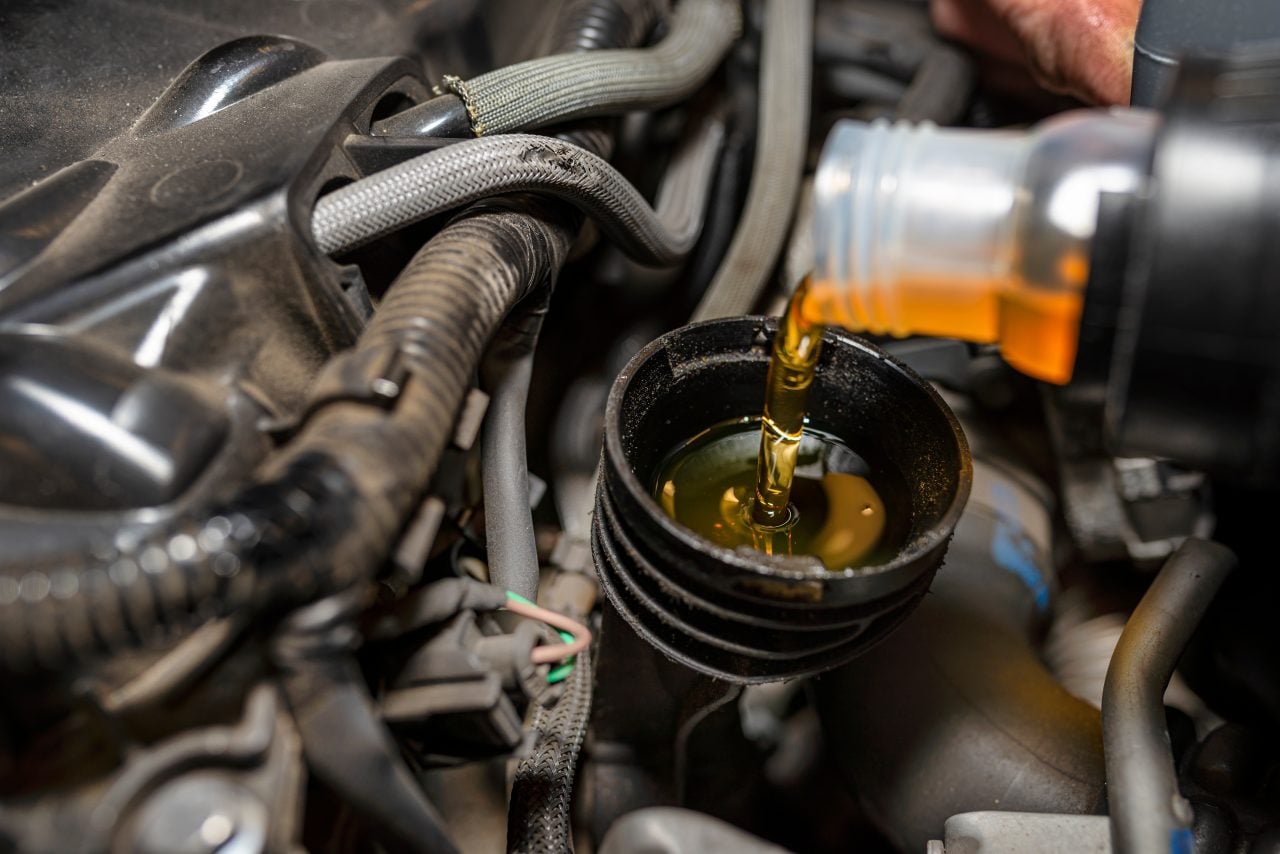
Passenger Car Motor Oil (PCMO)
Complete additive packages for gasoline engine oils from API SJ through SP — the full tier progression for passenger vehicles, light trucks and SUVs. CheMost PA-series PCMO packages support mineral and semi-synthetic multigrades with fuel-economy and extended-drain capability.
- API SJ, SL, SM/SN, SN+, SP
- 5W-30, 5W-40, 10W-30, 10W-40, 15W-40, 20W-50
- 4 package grades; custom treat rate on request

Diesel Engine Oil (HDDO)
Heavy-duty diesel engine oil packages from API CC/CD through CK-4 — for on-highway trucks, construction and agricultural equipment, and stationary diesel engines. High-TBN formulations for turbocharged engines with extended drain intervals and low-SAPS options.
- API CC/CD, CF-4, CH-4/CI-4/CI-4+, CJ-4/CK-4
- 15W-40, 10W-40, 5W-40, SAE 40/50
- 4 package grades; high-TBN and low-SAPS variants

Motorcycle Oil (2T & 4T)
Additive packages for two-stroke and four-stroke motorcycle oils meeting JASO MA, MA2 and MB. Formulated for wet-clutch compatibility (JASO MA/MA2) and fuel-economy two-wheelers (JASO MB). Covers API SG–SN base tiers.
- JASO MA, MA2 (wet-clutch compatible)
- JASO MB (scooters, fuel-economy)
- 2 package grades; 10W-40, 20W-50 finished grades

Gear & Transmission Oil
Gear oil additive packages covering automotive hypoid axles (GL-4, GL-5), manual transmissions (API MT-1) and limited-slip differentials. Sulfur–phosphorus chemistry for extreme-pressure load carrying; yellow-metal-safe chemistry for bronze and brass components.
- API GL-4, GL-5, MT-1
- SAE 75W-90, 80W-90, 85W-140
- 3 package grades; LS (limited-slip) variant available
Individual Additive Components for Automotive Formulation
Larger formulators and those with proprietary technology source individual components to build or refine their own formulations. Each category links to the full product range, underlying chemistry, treat-rate guidance and specification fit.
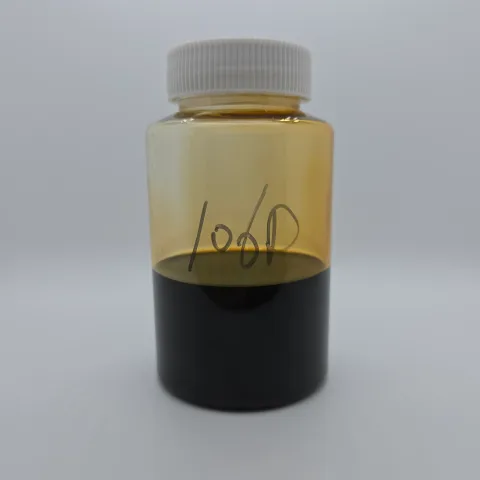
Detergents & TBN Boosters
Calcium sulfonates, phenates and salicylates from TBN 30 to TBN 520 — neutralise combustion acids, keep pistons and ring lands clean in gasoline and diesel engines. The detergent balance also governs LSPI behaviour.
View Products →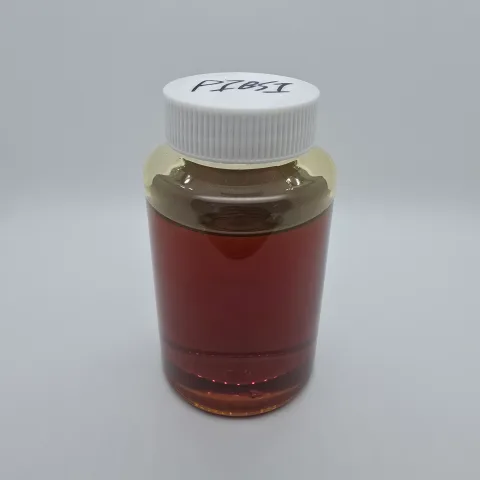
Ashless Dispersants
PIBSI succinimide dispersants suspend soot particles (20–50 nm) in diesel exhaust environments and keep deposits in suspension. Essential for API CI-4+ / CK-4 diesel oils and high-soot PCMO formulations.
View Products →
ZDDP (Antiwear & Antioxidant)
Zinc dialkyldithiophosphate — the primary antiwear agent in engine oils. Forms a sacrificial phosphate film on cam lobes and tappets under boundary conditions; also a secondary antioxidant. Phosphorus is capped by SP/GF-6 for catalyst protection.
View Products →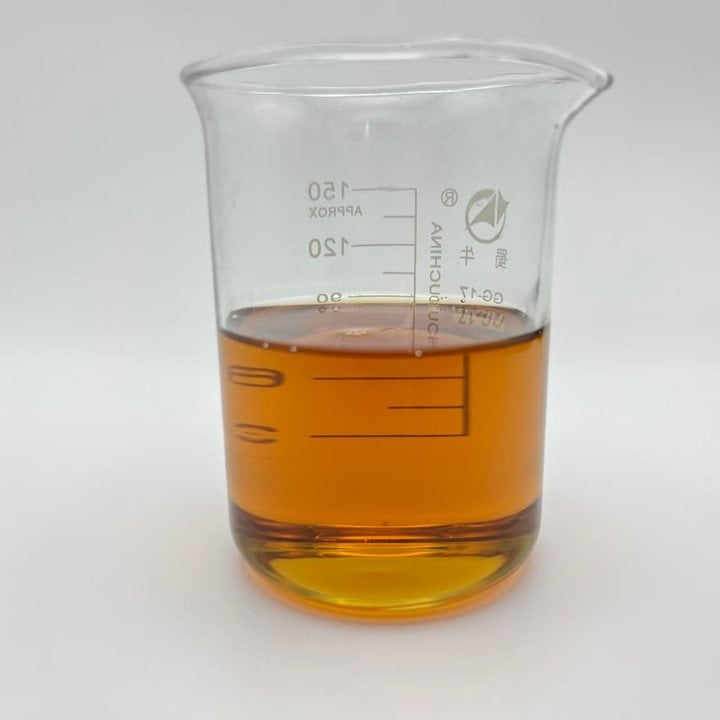
Friction Modifiers
Organic friction modifiers (GMO, fatty-acid esters) and molybdenum compounds reduce boundary friction for API SP fuel-economy and ILSAC GF-6 compliance — critical for 0W-20 and 0W-16. Deliberately limited in JASO MA wet-clutch oils.
View Products →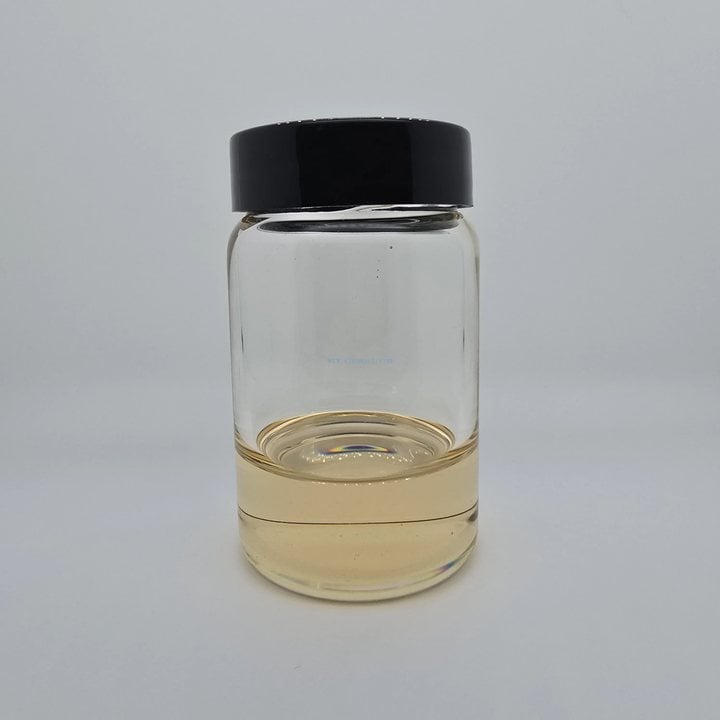
Antioxidants
Hindered-phenolic and aminic antioxidants extend drain intervals by intercepting free-radical oxidation chains. Paired with ZDDP for synergistic protection in engine oils; used standalone in gear and transmission oils.
View Products →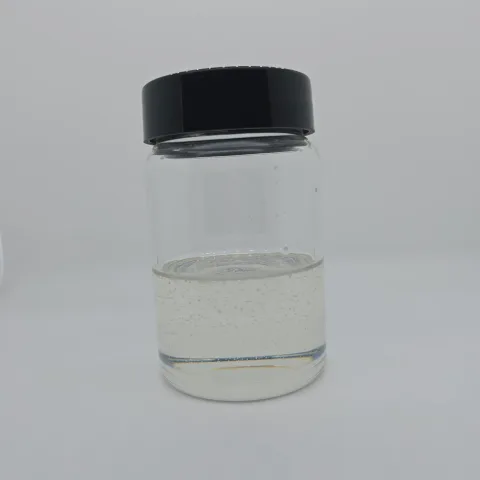
Viscosity Index Improvers
OCP and PMA VII polymers enable multigrades (5W-30, 0W-40) by counteracting base-oil thinning with temperature. Shear-stability grades (SSI) matched to SAE viscosity targets and HT/HS requirements.
View Products →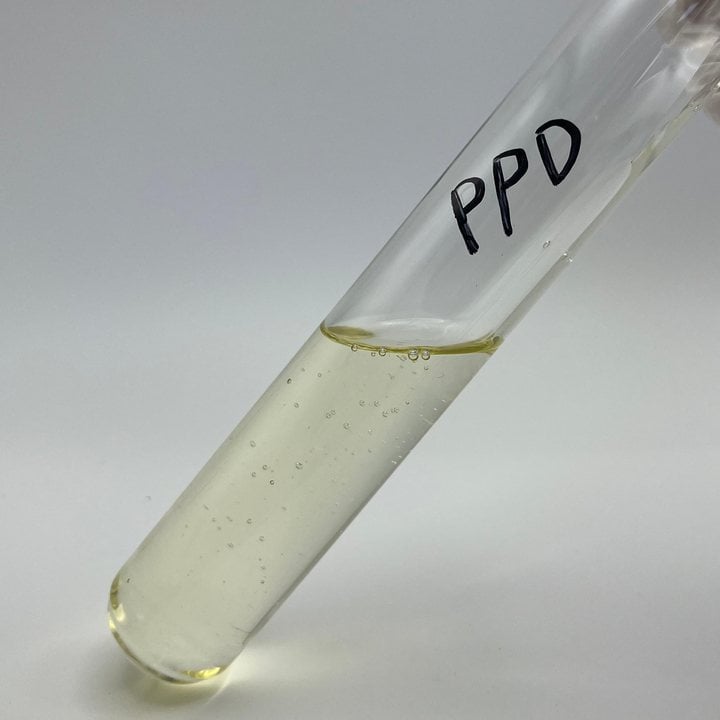
Pour Point Depressants
PMA pour-point depressants prevent wax-crystal interlocking at sub-zero temperatures — enabling cold-crank and cold-pumpability for SAE 0W, 5W and 10W engine and gear oils. Essential for cold-climate markets.
View Products →
Extreme Pressure (EP) Additives
Sulfurized olefins and phosphate esters for hypoid gear oils (GL-5) and manual transmission fluids — extreme-pressure load-carrying that prevents scuffing under shock loading in automotive differentials and gearboxes.
View Products →Performance Tests — What Each One Measures
An engine-oil category is a battery of standardised engine and bench tests. These are the tests a finished oil must pass; CheMost packages are formulated to help reach them, and the confirmed result for a grade is on its TDS.
| Test | What it measures | Controlled by |
|---|---|---|
| Sequence IIIH | oxidation, deposits, viscosity increase at high temperature | antioxidant + detergent |
| Sequence IVB | valvetrain / camshaft wear (boundary lubrication) | ZDDP + antiwear |
| Sequence VH | sludge and varnish (low-temperature deposits) | dispersant + detergent |
| Sequence IX (LSPI) | low-speed pre-ignition events in turbo-GDI | detergent balance (Ca/Mg/Na) |
| Sequence X | timing-chain wear (elongation) | dispersant + antiwear |
| Noack (D5800) | evaporative volatility loss | base oil + VII selection |
| HTHS (D4683) | high-temperature high-shear viscosity | VII shear stability + base oil |
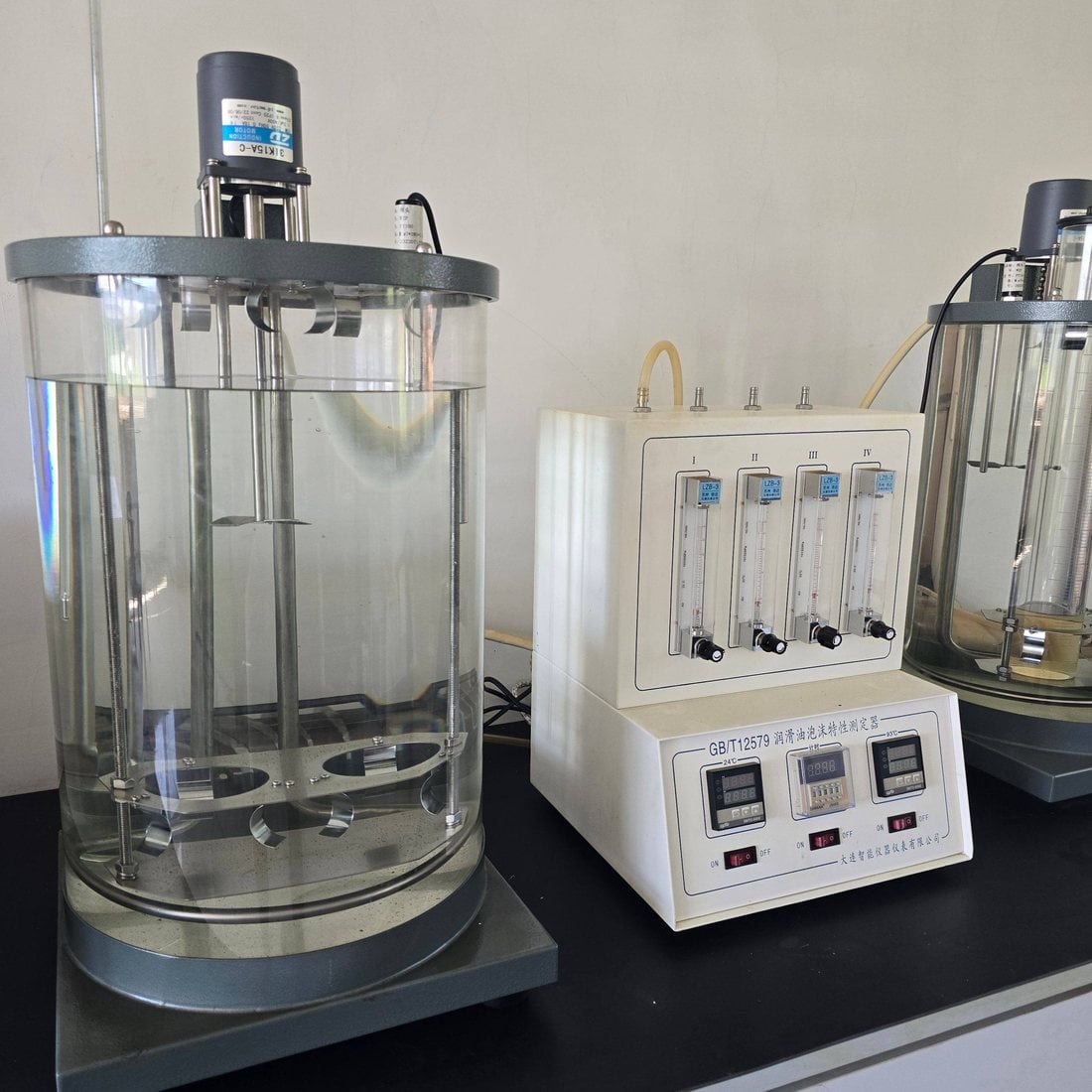
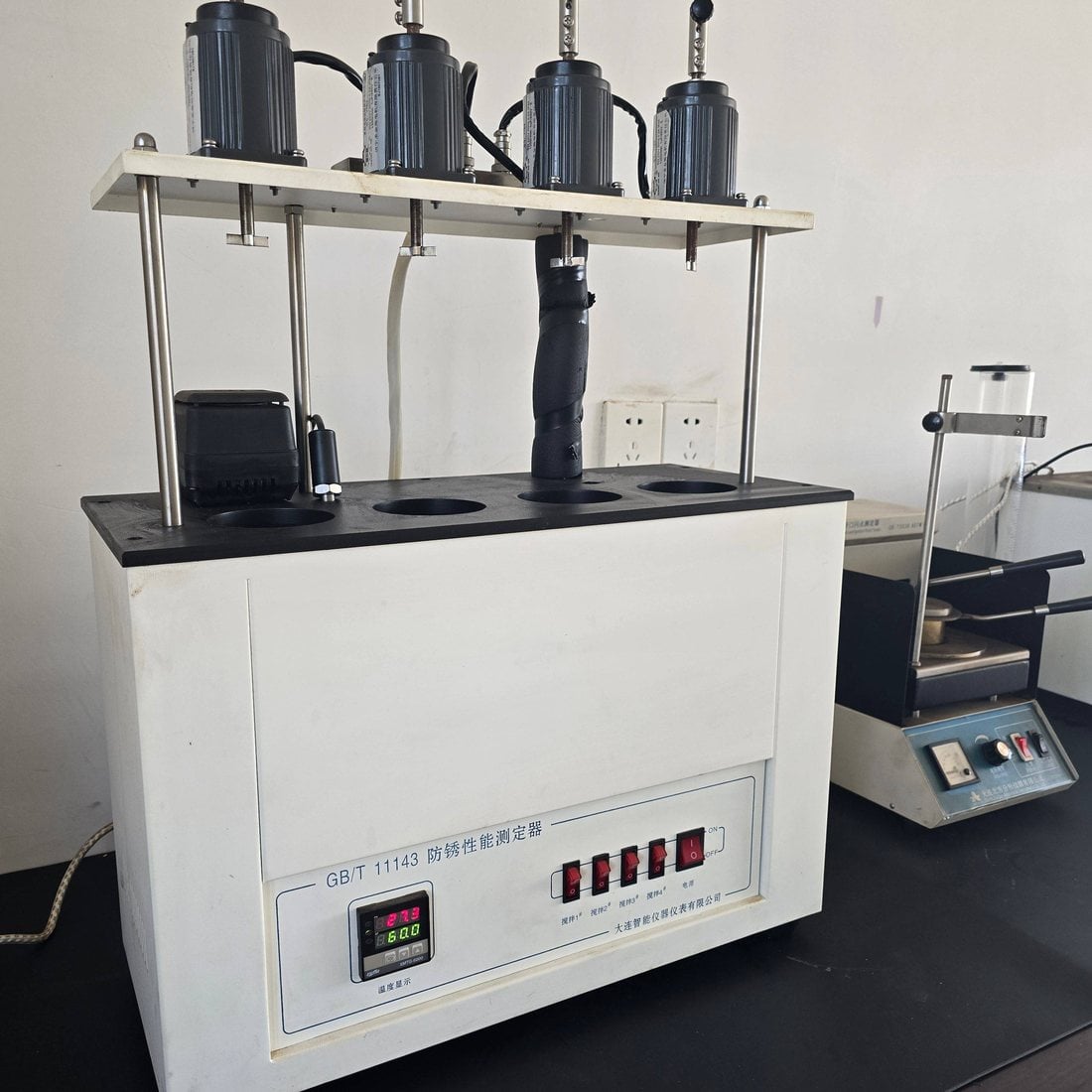
“We qualify what the data sheet says, not what the marketing says — every batch ships with a COA against its TDS, and a third-party SGS report is available on request.”
CheMost technical team
- Batch COA against the grade TDS with every shipment
- TBN, kinematic viscosity, elemental (Ca, Mg, Zn, P, B, Mo) on the additive concentrate
- Third-party SGS report on request; full engine-test qualification is held by the finished-oil marketer
How an Engine Oil Is Built — Base Oil + Additive System
A finished engine oil is roughly 80–95% base oil and VII; the performance additive package is the rest — typically a balanced blend of 8–15 individual components. Engine oils carry a far higher treat rate than industrial oils because detergency, dispersancy and antiwear all scale with combustion stress:
| Oil type | Base oil | Typical package treat rate | What dominates the dose |
|---|---|---|---|
| Passenger-car gasoline (SP) | Group II–III · PAO/ester for 0W | ~8–12% | detergent + dispersant + ZDDP + FM |
| Heavy-duty diesel (CK-4) | Group I–II (II–III for low-SAPS) | ~12–18% | high-TBN detergent + heavy dispersant |
| Motorcycle 4T (JASO MA2) | Group I–III | ~8–12% | detergent + dispersant; friction held high |
| Automotive gear (GL-5) | Group I–II | ~4–7% | sulfur–phosphorus EP |
Ranges are typical industry figures; the exact treat rate for a CheMost grade is on its TDS, and the treat-rate calculator sizes a dose to your target.
Package or Components — Which Route Fits You
CheMost supplies both from the same Jinzhou factory; which fits depends on your volume, technical capability and product positioning.
Ready-to-blend packages combine detergents, dispersants, antiwear, antioxidants, friction modifiers and corrosion inhibitors in a single pre-tested concentrate. Add to base oil at the specified treat rate and produce a finished oil built to a named API, ACEA or JASO category — no formulation chemistry required on your end. Best for blenders under ~5,000 t/yr or those entering a new segment.
Individual components give larger formulators full control over treat rates, performance balance and proprietary chemistry — the same materials used inside our packages, supplied as standalone concentrates with full TDS, SDS and COA. See the component range; a common path is to benchmark with a package, then migrate to components once your team has validated each additive’s contribution.
Buying Automotive Additives — Lead Time, Documentation & Inspection
Engine-oil additive packages ship in 1,000 kg IBC and 200 kg drums; components in 200 kg drums. Typical minimum order is 1 metric ton for packages and 200 kg for components; free 1–5 kg evaluation samples for qualified formulators. Every shipment carries TDS, SDS and a batch COA; a third-party SGS inspection report is available on request, and shipping documentation supports REACH-registered raw materials for EU-bound material. Bulk pricing starts around 5 metric tons — send the category, base oil and volume and we’ll quote with lead time.
Why CheMost — Real Data, Not Borrowed Approvals
We state what we can document. Grade specifications come from each product’s supplier TDS; where a value is not confirmed for a grade we mark it “on request” rather than estimate. The standards and test methods on this page are public references (API, ILSAC, ACEA, JASO, ASTM) — not CheMost claims of ownership. OEM and API/ILSAC licences belong to the finished-oil marketer, not to the additive package; what CheMost provides is a package formulated to help your finished oil reach the category, backed by COA, optional SGS testing, formulation support and custom treat rates.
Size the Formulation, Pull the Documents
Interactive calculators to size a dose or a blend, plus the documents and background reading behind each grade.
Automotive formulations draw from CheMost’s Additive Components (ZDDP, detergents, dispersants, antioxidants, VII) and Additive Packages (PCMO, HDDO, motorcycle). For the other application axis see Industrial Lubricants and the full Solutions by Industry hub.
Frequently Asked Questions
Are these the “pour-in” engine oil additives sold at auto-parts stores?
No. CheMost supplies bulk additive packages and components to oil blenders and formulators — the chemistry that goes into a finished engine oil at the blending plant, before it is sold. The aftermarket bottles you pour into your own crankcase are a different, consumer product. Independent testing of finished oils generally finds that a correctly formulated oil is already balanced, so a B2B blender’s job is to build that balance in — which is exactly what these packages do.
What’s the difference between a PCMO package and an HDDO package?
PCMO (passenger-car motor oil) packages are formulated for gasoline engines — they emphasise fuel economy, oxidation stability, LSPI prevention and catalyst-protecting phosphorus limits for API SN/SP. HDDO (heavy-duty diesel) packages handle high-soot, high-acid diesel combustion with much higher dispersant and detergent (TBN) concentrations. They are not interchangeable; each is optimised for its combustion chemistry. CheMost supplies both lines and can advise on dual-fuel selection.
Which PCMO package meets API SP and ILSAC GF-6?
API SP and ILSAC GF-6A share the same test sequence — including the Sequence IX LSPI test and the Sequence X timing-chain-wear test — so a package formulated to API SP supports GF-6A when blended into the correct SAE grade. CheMost’s PA-SP series PCMO packages are formulated to API SP including LSPI prevention. For GF-6B (0W-16), specific base-oil viscosity and shear-stability requirements apply — contact our technical team. The API/ILSAC licence itself is held by the finished-oil marketer.
What is LSPI and how does the package address it?
Low-speed pre-ignition is an abnormal combustion event in turbocharged GDI gasoline engines that can fracture a piston or ring land. It is strongly linked to the detergent system: calcium-based detergents tend to promote it, while magnesium and a controlled sodium / molybdenum balance suppress it. API SP and ILSAC GF-6 added the Sequence IX engine test to qualify oils against LSPI; CheMost SP-grade packages are built around that balance.
What does mid-SAPS / low-SAPS mean, and do you supply it?
SAPS = sulfated ash, phosphorus and sulfur. Modern emission systems (gasoline particulate filters, diesel DPFs and SCR catalysts) are poisoned by excess ash and phosphorus, so categories such as ACEA C and API CK-4 cap them — mid-SAPS and low-SAPS formulations use lower-ash detergents and capped ZDDP. CheMost supplies low-SAPS HDDO variants and can advise on the detergent / ZDDP balance for a target ash and phosphorus level.
Can I source individual components to replace what’s inside a package?
Yes — common for large-volume formulators wanting cost control or proprietary flexibility. CheMost’s components are the same materials used in our packages, supplied as individual concentrates with full traceability and TDS treat-rate data. We recommend benchmarking with a package first, then migrating to components once your formulation team has validated each additive’s contribution.
Why do motorcycle (JASO MA) oils not use the same friction modifiers as fuel-economy car oils?
A four-stroke motorcycle shares its engine oil with a wet clutch. The friction modifiers that cut boundary friction for car fuel economy would make the clutch slip, so JASO MA/MA2 oils limit friction modifiers and are qualified by the JASO clutch-friction test. It is a clear case of the additive system following the application — the opposite balance to a GF-6 passenger-car oil.
Do CheMost products have minimum order quantities?
For additive packages the typical minimum is 1 metric ton (one IBC or drum pallet); for components, most are 200 kg (one drum). Free 1–5 kg trial samples are available for qualified formulators, and bulk pricing starts around 5 metric tons. Contact sales for a quotation against your volume and delivery requirements.
Tell us the engine and the spec — we’ll point to the package
Give us the application, the API/ILSAC/ACEA/JASO category you must meet and your base oil; we’ll name the package or components and a starting treat rate, then send the TDS, SDS and a sample. Samples in 1 kg and 5 kg; bulk in 200 kg drums and 1000 kg IBC.
Request a Sample Get a QuoteAbout this hub & our data. The standards, test methods and chemistry on this page are public references (API, ILSAC, ACEA, JASO, ASTM) — not CheMost measurements. Failure-mode descriptions reflect the published rationale for those standards, cited as such. Grade specifications come from each product’s supplier TDS; where a value is not confirmed for a grade, we mark it “on request” rather than estimate. CheMost is a manufacturer and sourcing partner established in 2013; OEM and API/ILSAC licences are held by the finished-oil marketer, not the additive package. Last reviewed June 2026 · CheMost technical team.
From the Blog
View all →Explore Other Industries
CheMost serves formulators and blenders across every major lubricant and specialty-chemical sector. Open any industry to see the additives, packages, and application guidance built for it.