Lubricant Additive Components
CheMost supplies ashless dispersant additives that keep soot, sludge and oxidation by-products suspended in the oil — for cleaner engine internals and longer drain intervals, with no metallic ash contribution.
The range covers all four recognised polyisobutylene succinimide families — mono-, bis-, boron-modified and high-molecular-weight — produced by a chlorine-free thermal process. Compare the families below, then open the product page for the exact grade, specifications and documentation.
Browse CheMost Ashless Dispersants
Start with the product family that best matches your formulation target. Each product page goes deeper into the exact grade, properties, and documentation.
Why Ashless Dispersants Matter
An ashless dispersant is a high-molecular-weight additive with a polar head and an oil-soluble polyisobutylene (PIB) tail. The head latches onto soot, resin and sludge precursors; the tail keeps them finely suspended so they cannot agglomerate into deposits. Because it is ashless, it does this without adding metal or sulphated ash — which is why it suits modern low-SAPS formulations.
CheMost’s range centres on polyisobutylene succinimide (PIBSI) chemistry. Finished PIBSI dispersants are made from the reactive precursor polyisobutylene succinic anhydride (PIBSA) and polyamines; this page covers the finished lubricant dispersant families, not the precursor market.
Dispersants are several times higher in molecular weight than the soap portion of a detergent, so they are the more effective suspending and cleaning agent — and they are usually the largest single additive in an engine oil, typically around 3–7 wt%, roughly half the additive package. Controlling soot dispersion is also central to limiting soot-related abrasive wear and the viscosity rise that thickens high-soot diesel oils.
The Four Succinimide Dispersant Families
Polyisobutylene succinimide (PIBSI) is the most widely used ashless dispersant chemistry. CheMost offers all four PIBSI families; the differences are in nitrogen level, molecular weight and boron modification.
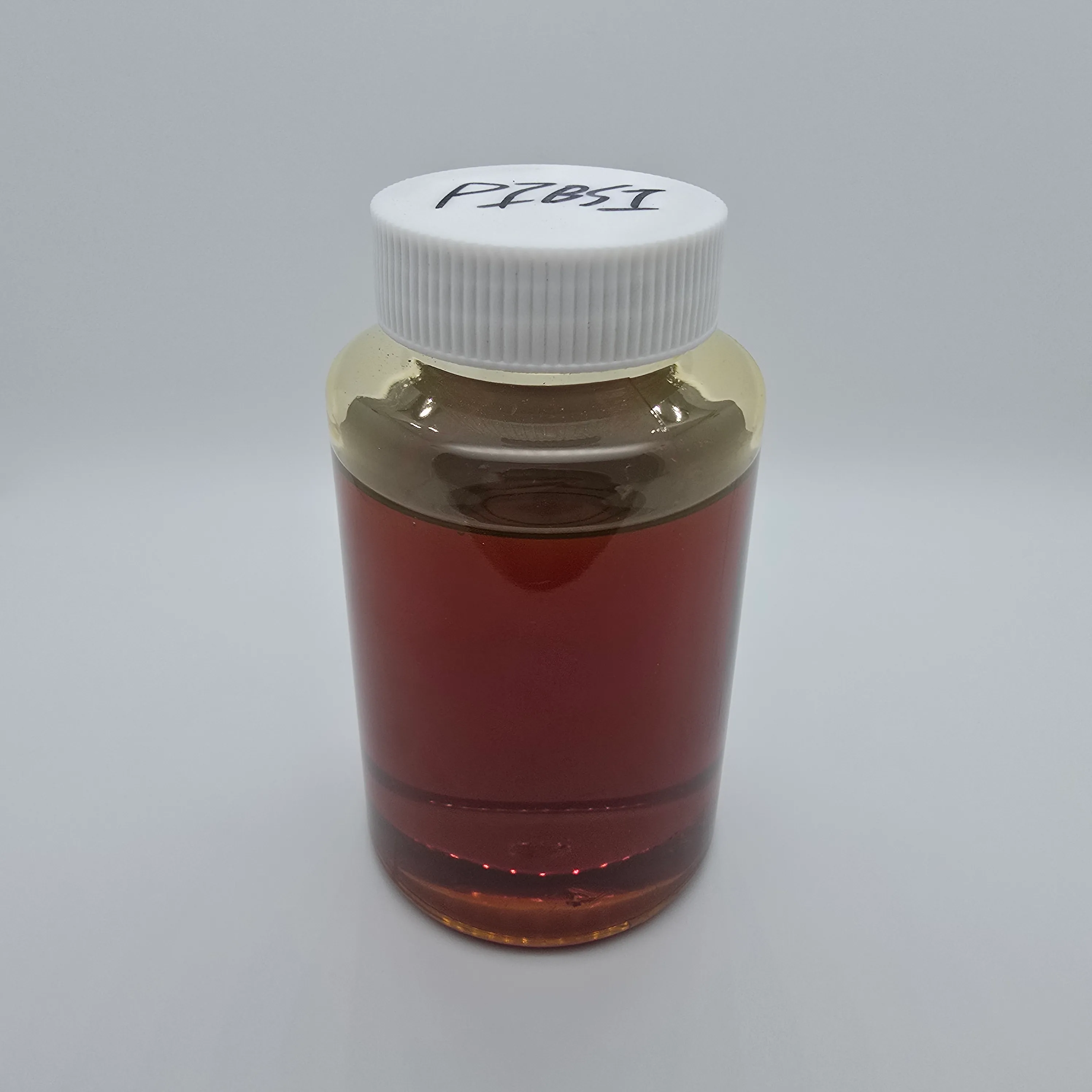
Polyisobutylene Monosuccinimide
Grade: T1351 (TBN 48, 2.1% N).
Best for: Low-temperature sludge and varnish control in gasoline / passenger-car oils.
Key point: One succinimide group per PIB chain → higher nitrogen, lower viscosity contribution.
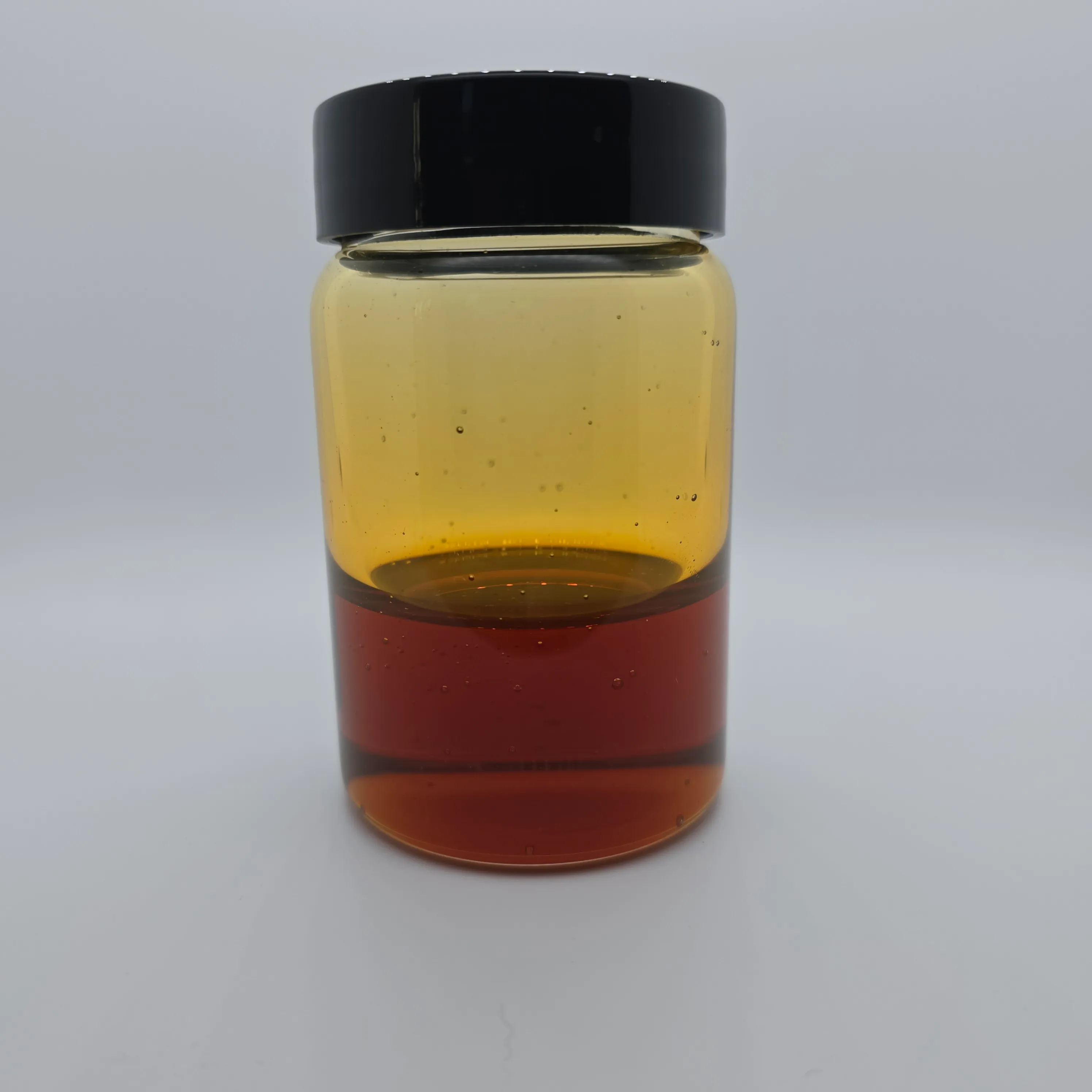
Polyisobutylene Bissuccinimide
Grades: T1428 (standard) & T1428S (high-nitrogen “super”).
Best for: Balanced soot & sludge control across PCMO and heavy-duty diesel; good thermal stability for supercharged diesel.
Key point: Two succinimide groups → the strong, oil-soluble workhorse of the range.
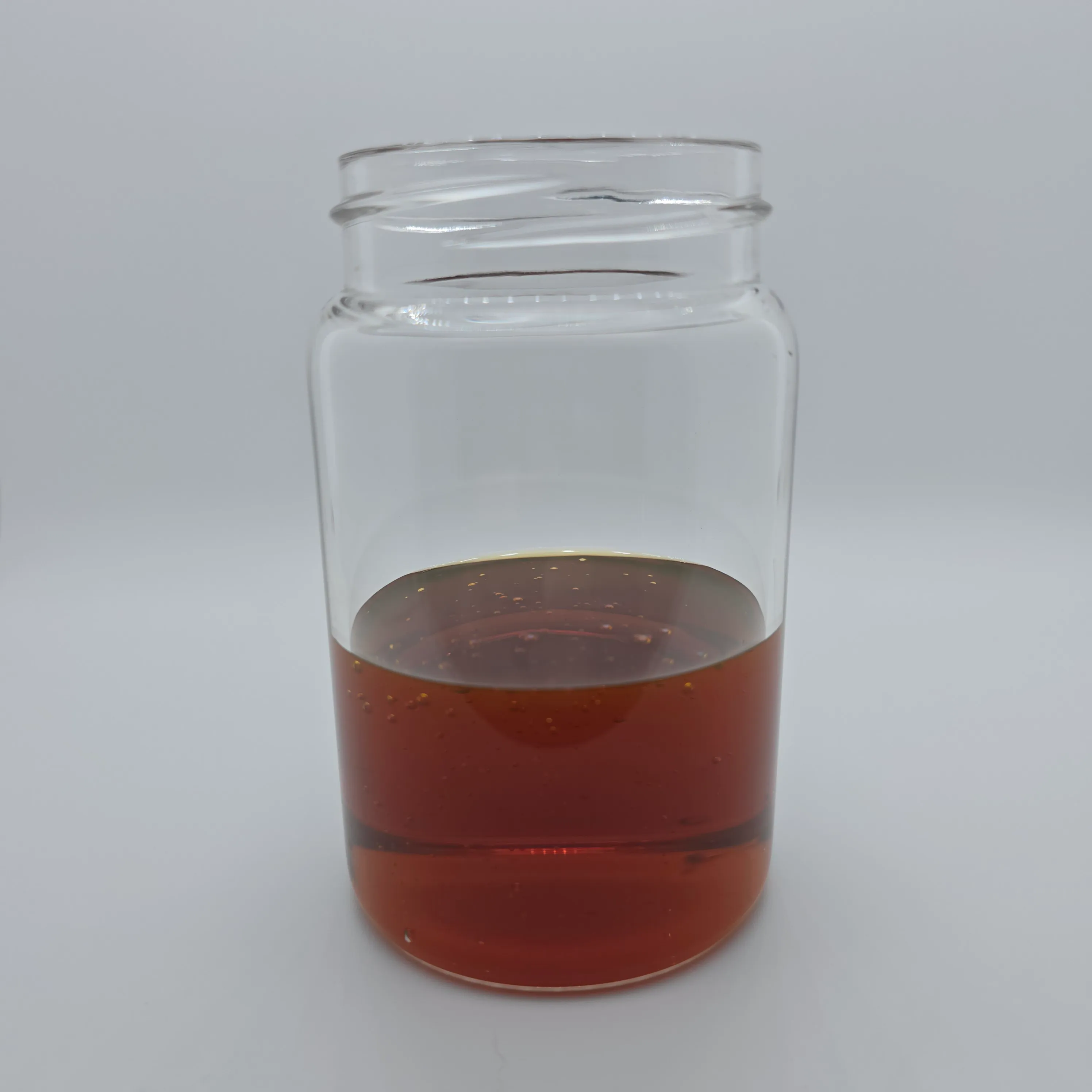
Boron-Modified PIB Succinimide
Grades: T1428B (standard MW) & T1620B (high MW).
Best for: Low-SAPS, GDI/turbo and seal-sensitive oils needing dispersancy plus antioxidancy and antiwear.
Key point: Borated head adds multifunctional behaviour and improves fluoroelastomer-seal compatibility.
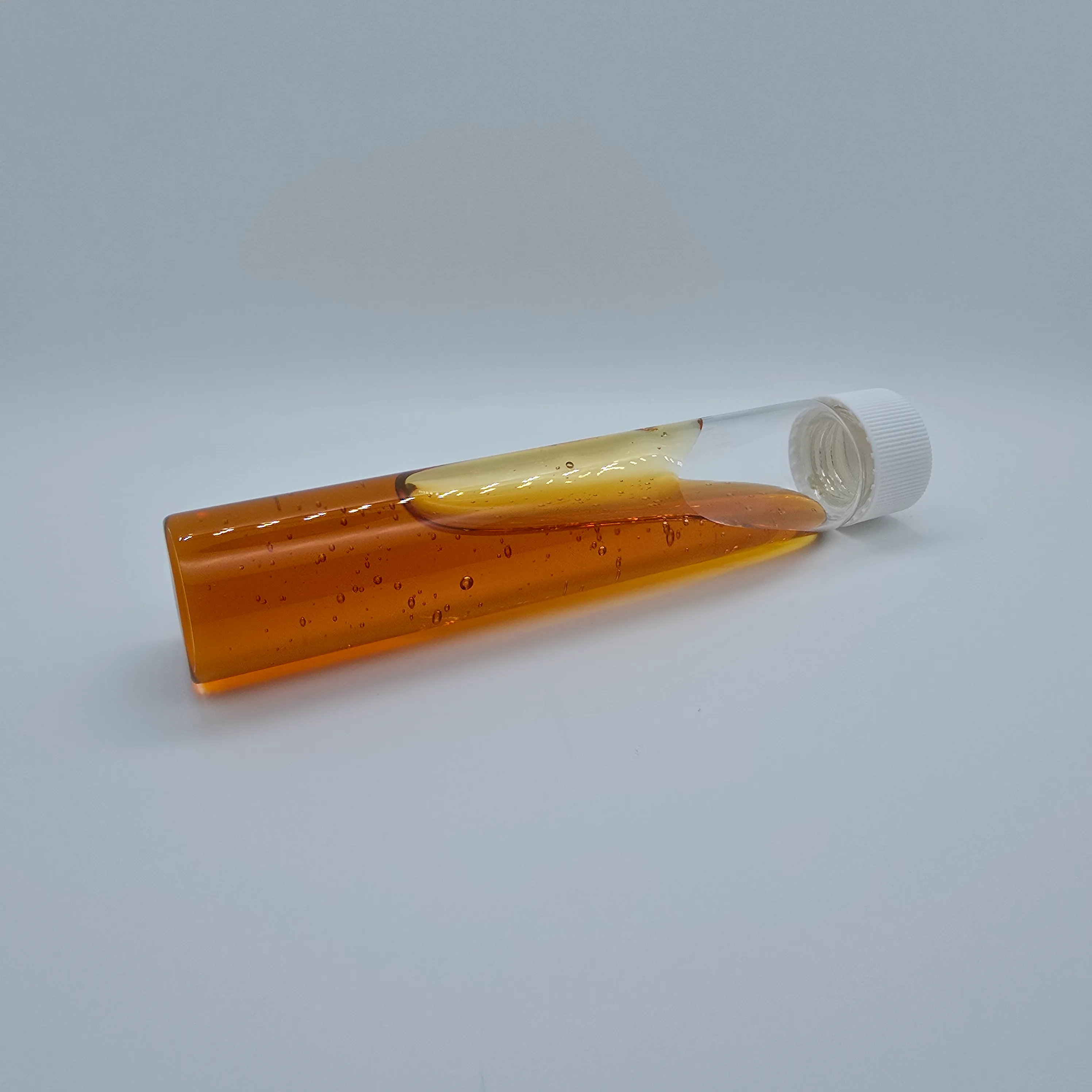
High-Molecular-Weight PIB Bissuccinimide
Grade: T1620 (high-MW backbone).
Best for: High-soot heavy-duty diesel and high-grade internal-combustion engine oils.
Key point: Larger PIB tail → superior soot-carrying capacity and high-temperature detergency.
How to Choose the Right Family
Four properties decide which dispersant family fits a formulation — dispersancy strength, molecular weight, boron modification and seal compatibility. Work through them against your target oil:
- Mono vs bis (dispersancy & structure): a monosuccinimide carries one succinimide group, tends to higher nitrogen and TBN, and excels at low-temperature sludge/varnish (gasoline); a bissuccinimide carries two, giving stronger, thermally stable dispersancy for general and supercharged-diesel duty.
- Molecular weight (soot loading): a larger PIB tail suspends more soot and adds high-temperature detergency — choose the high-MW grade for high-soot heavy-duty diesel; it also contributes some thickening that can offset part of the viscosity-modifier treat.
- Boron modification (multifunctionality & low-SAPS): boration adds antioxidancy and antiwear and improves fluoroelastomer-seal compatibility and hydrolytic stability without raising ash — at a small cost in raw sludge dispersancy that the high-MW borated grade offsets.
- Nitrogen level & seals: higher nitrogen means more dispersancy but also more attention to finished-oil seal compatibility; where seals are sensitive, a borated grade is the usual answer.
- Chlorine-free sourcing: every CheMost dispersant is made by a thermal, chlorine-free route — confirm the documentation up front where this matters.
Common Applications
- Passenger-car & gasoline engine oils (PCMO): low-temperature sludge and varnish control (mono- and bissuccinimide).
- Heavy-duty & supercharged diesel (HDDO): high-soot dispersion and viscosity-rise control (bis- and high-MW grades).
- Low-SAPS & GDI/turbo oils: ashless dispersancy with added antioxidancy/antiwear (boron-modified grades).
- Gas-engine & industrial lubricants: deposit and sludge control where oxidation by-products accumulate.
Need help selecting a CheMost dispersant?
Tell us your target application, viscosity grade and whether you are developing a standard or low-SAPS package. We will point you to the right family first, then share the relevant technical documents.
Request a Sample Get a QuoteAshless dispersants are commonly specified in Automotive Lubricant and Industrial Lubricant formulations, usually paired with detergents & TBN boosters. See our industry pages for a full overview of the additives used in each application.
Quick Reference
What is an ashless dispersant?
It is a metal-free lubricant additive — a polyisobutylene succinimide — that suspends soot, sludge and oxidation by-products in the oil so they do not deposit on engine surfaces. “Ashless” means it contributes no metallic or sulphated ash, unlike a detergent.
What is “ashless dispersant oil”?
That term usually refers to a finished engine oil (often a break-in oil) that contains dispersant additives but no metallic detergents. CheMost supplies the dispersant additive that goes into such oils — the polyisobutylene succinimide grades on this page — not the finished oil itself.
Mono- vs bissuccinimide — which one do I pick?
Monosuccinimide is higher-nitrogen and viscosity-friendly, strong on low-temperature sludge for gasoline oils; bissuccinimide is the thermally stable workhorse for general and supercharged-diesel duty. Match them to your target oil grade and soot-handling priority — see the family comparison above.
When should I use a borated dispersant?
Choose a boron-modified grade when you want multifunctional behaviour — dispersancy plus antioxidancy, antiwear and better fluoroelastomer-seal compatibility — in one ashless component, especially for low-SAPS and GDI/turbo packages. Otherwise a standard succinimide with separate antiwear additives works well.
Are CheMost dispersants chlorine-free?
Yes — every grade is manufactured by a thermal process without chlorine. COA, TDS and SDS are provided with each product; full documentation is available on the relevant product page or on request.
From the Blog
View all →Explore Other Additive Components
Every CheMost additive component, at a glance. Build a complete formulation — open any family to see its full product range, grades, and treat rates.