A water-based cutting fluid has to do five jobs at once — lubricate at the tool tip, stop fresh steel rusting within minutes, hold an emulsion in hard water, kill foam in the sump and protect yellow metals — without attacking aluminium or irritating the operator. CheMost supplies the components MWF formulators blend into concentrate: EP additives, emulsifiers, rust and corrosion inhibitors and foam control for soluble oils, semi-synthetics, neat cutting oils and forming lubricants. Factory-direct from Jinzhou, China.
Five Chemistry Challenges in Every Metalworking Fluid
MWF formulators face a more demanding balancing act than most lubricant chemists. A water-based soluble oil must simultaneously lubricate under extreme-pressure cutting, prevent rust on freshly machined steel within minutes, stabilise an oil-in-water emulsion against hard water and contamination, suppress foam in high-flow recirculating systems and resist microbial degradation — all without attacking non-ferrous components or irritating operators.
Five additive functions, five timescales, one fluid
EP chemistry activates at the tool-chip interface in microseconds. Emulsifier chemistry holds the emulsion over days. Rust inhibitors film machined surfaces within seconds. Foam inhibitors release air in the sump continuously. Corrosion inhibitors protect copper alloys over months of service. Selecting the right chemistry and treat rate for each function — without antagonistic interactions — is the formulation problem CheMost’s component range is built to support.
EP & Antiwear
Sulfurized and phosphate-ester EP activates at cutting temperatures. Active-sulfur content sets aggressiveness — matched to metal substrate and operation severity.
Emulsification
Anionic and nonionic emulsifiers hold oil-in-water emulsions against hard water, contamination and temperature swing through the fluid’s service life.
Rust & Corrosion Control
Amine carboxylates and sulfonates protect ferrous surfaces; benzotriazole derivatives protect copper and brass. Both must hold performance at working pH 8.5–9.5.
Foam Control
Silicone and polyacrylate defoamers release entrained air — essential in high-pressure, high-flow systems where foam cuts cooling efficiency and causes pump cavitation.
What an Underbuilt Metalworking Fluid Actually Costs
MWF failures are visible on the shop floor — rusted parts, a split sump, a dumped tank. The additive package is where each is controlled, in a concentrate diluted 20–40× before use.
Tell us the fluid type, metal substrate and dilution-water hardness and we’ll name the emulsifier, EP and corrosion chemistry with starting treat rates.
Additive Requirements by Fluid Architecture
Additive selection changes with the fluid type — neat oils and water-based fluids have fundamentally different requirements. Start from the architecture and the metal.
| Fluid architecture | Dilution / form | What dominates the additive demand | CheMost components |
|---|---|---|---|
| Neat cutting & grinding oil | 100% oil, undiluted | sulfurized / ashless EP + antiwear; no emulsifier or biocide | EP additives |
| Soluble oil emulsion | 3–10% in water | emulsifier + ferrous & non-ferrous rust + corrosion + foam control | emulsifiers · rust |
| Semi-synthetic fluid | low-oil / oil-free in water | nonionic emulsifier + corrosion package; EP shifts to phosphate ester | corrosion · EP |
| Rolling & forming lubricant | neat or emulsion | lubricity (esters / FM) + cleanliness + inter-pass rust protection | rust · EP |
Test methods shown are public references; the confirmed data for any CheMost grade is on its TDS, and emulsion / corrosion behaviour is always confirmed at the customer’s working dilution and water hardness.
CheMost Components for Metalworking Fluid Formulation
Each category supplies a specific MWF function. Component pages give grades, treat rates and specification data; the metalworking fluid additives overview covers how these chemistries combine into working formulations.
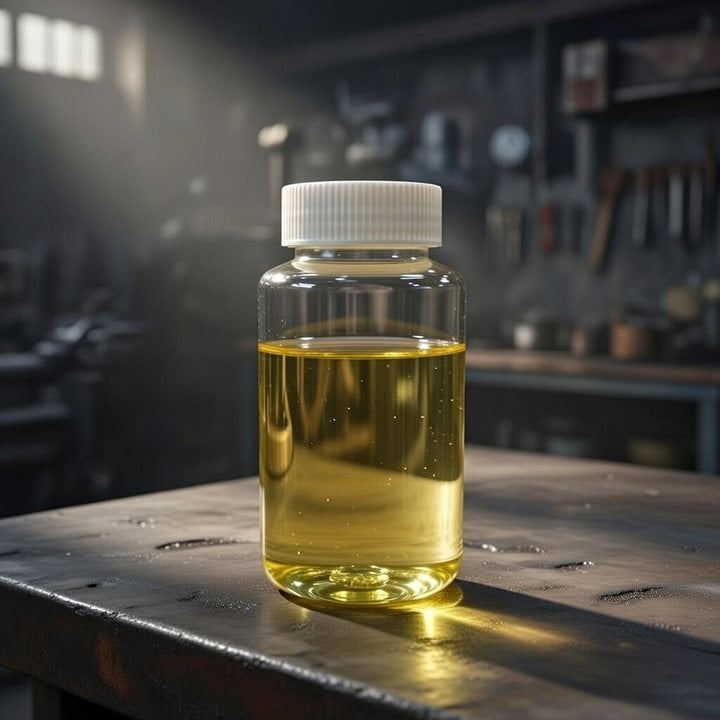
Extreme Pressure (EP) Additives
Sulfurized isobutylene, dialkyl-pentasulfide and phosphorothioate (TPPT) for cutting and grinding lubricity. High active-sulfur grades give EP performance for ferrous machining; controlled-corrosivity grades (ASTM D130 1a) suit mixed metals; ashless phosphorothioate is the option for aerospace and sulfur-restricted work.
- High active-S sulfurized EP — ferrous heavy cutting
- Copper-corrosion-controlled EP — mixed-metal safe
- Ashless phosphorothioate (TPPT) — sulfur-restricted
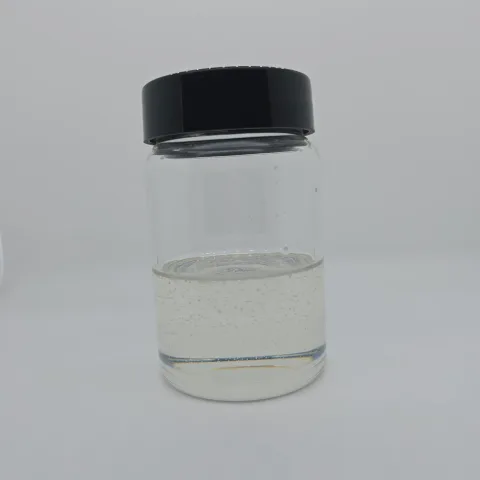
Emulsifiers for Concentrates
Nonionic and anionic emulsifiers for soluble-oil and semi-synthetic concentrates. Nonionic ethoxylates give hard-water stability and corrosion-inhibitor compatibility; anionic sulfonates contribute both emulsification and rust inhibition. Demulsifier chemistry is available for tramp-oil separation during fluid management.
View Emulsifiers →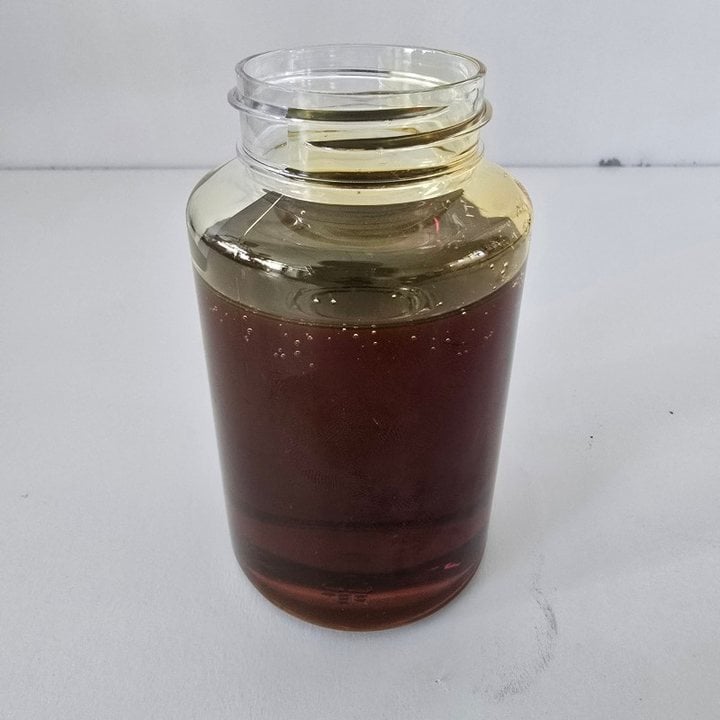
Rust Inhibitors for Machined Surfaces
Sodium and calcium sulfonates and amine-phosphate rust inhibitors for ferrous protection in water-based fluids. Key criteria: ASTM D1748 humidity cabinet, cast-iron chip test, and steel-strip corrosion after diluted-fluid contact. Selection depends on pH stability, hard-water compatibility and foam response.
View Rust Inhibitors →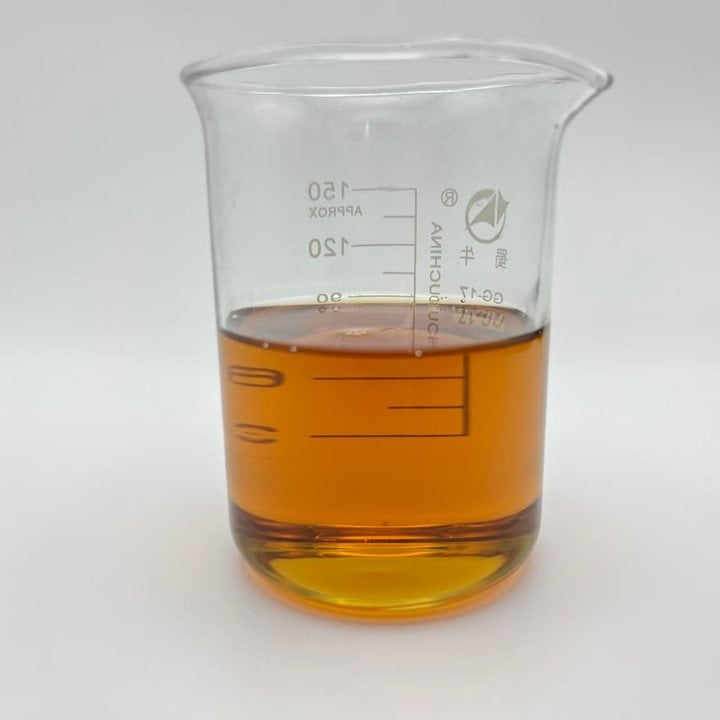
Corrosion Inhibitors & Metal Deactivators
Benzotriazole (BTA) and tolyltriazole (TTA) derivatives for copper and yellow-metal protection in soluble-oil systems — critical when machining copper alloys, brass bushings or copper-containing components. Used at 0.05–0.2% in concentrate alongside amine-based ferrous corrosion inhibitors.
View Corrosion Control →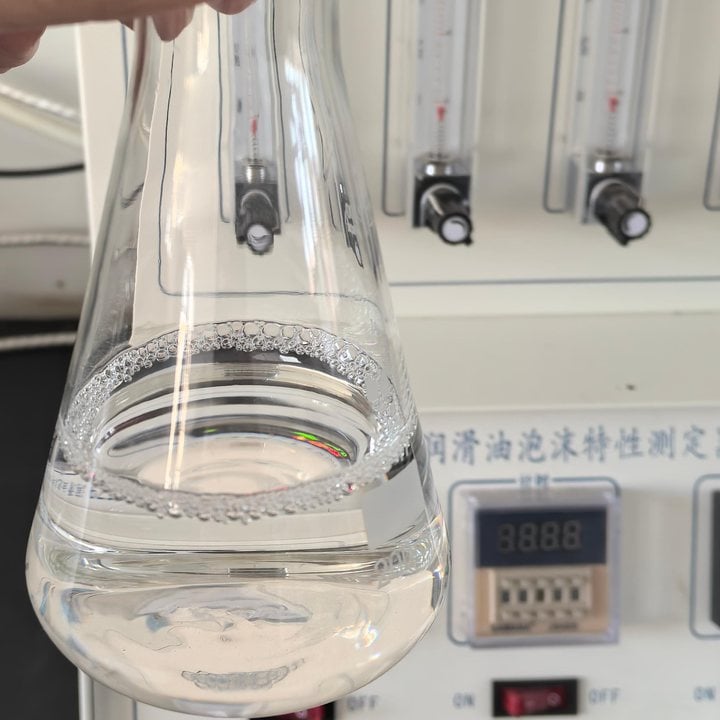
Foam Inhibitors & Defoamers
Silicone-fluid and polyacrylate defoamers for sump management. Silicone types are highly active at low treat rates (10–50 ppm) but can plug filters at high use-dilution; polyacrylate types are silicone-free, hard-water-emulsion compatible and perform better in high-surfactant semi-synthetics.
View Foam Control →Biocides and pH buffers complete a soluble-oil package — see the FAQ for how CheMost handles biostability. Chemistry and governing tests are public references; the confirmed value for any CheMost grade is on its TDS.
Metal Substrate & EP Additive Selection
The choice of EP chemistry is constrained by the metal being machined — active sulfur that performs well on steel will corrode copper and brass.
Ferrous Metals (Steel, Cast Iron)
- Active-sulfur EP is effective and acceptable
- Amine-carboxylate and sulfonate rust inhibitors for water-based systems
- High active-sulfur treat rate (2–5% in concentrate) for heavy cutting
- ASTM D130 1a–2e passes for most standard steel machining
Non-Ferrous (Aluminium, Copper, Brass)
- Avoid active sulfur — use phosphorothioate (TPPT) or fatty-acid EP instead
- BTA / TTA metal deactivator required for copper-alloy systems (0.05–0.2%)
- pH control critical — alkaline conditions attack aluminium above pH 9.5
- Non-ferrous-specific rust inhibitors: silicate or carboxylate types
Contact our technical team with your fluid type, metal substrate, dilution-water hardness and target tests; we’ll recommend components with starting treat rates and compatibility guidance.
Metalworking Fluid Tests — What Each One Measures
An MWF is qualified by a battery of bench tests, most run at working dilution. These are the tests a finished fluid is measured by; CheMost components are selected to help reach them, and the confirmed result for a grade is on its TDS.
| Test | What it measures | Controlled by |
|---|---|---|
| Cast-iron chip — IP 287 / ASTM D4627 | ferrous corrosion at working dilution | rust inhibitor |
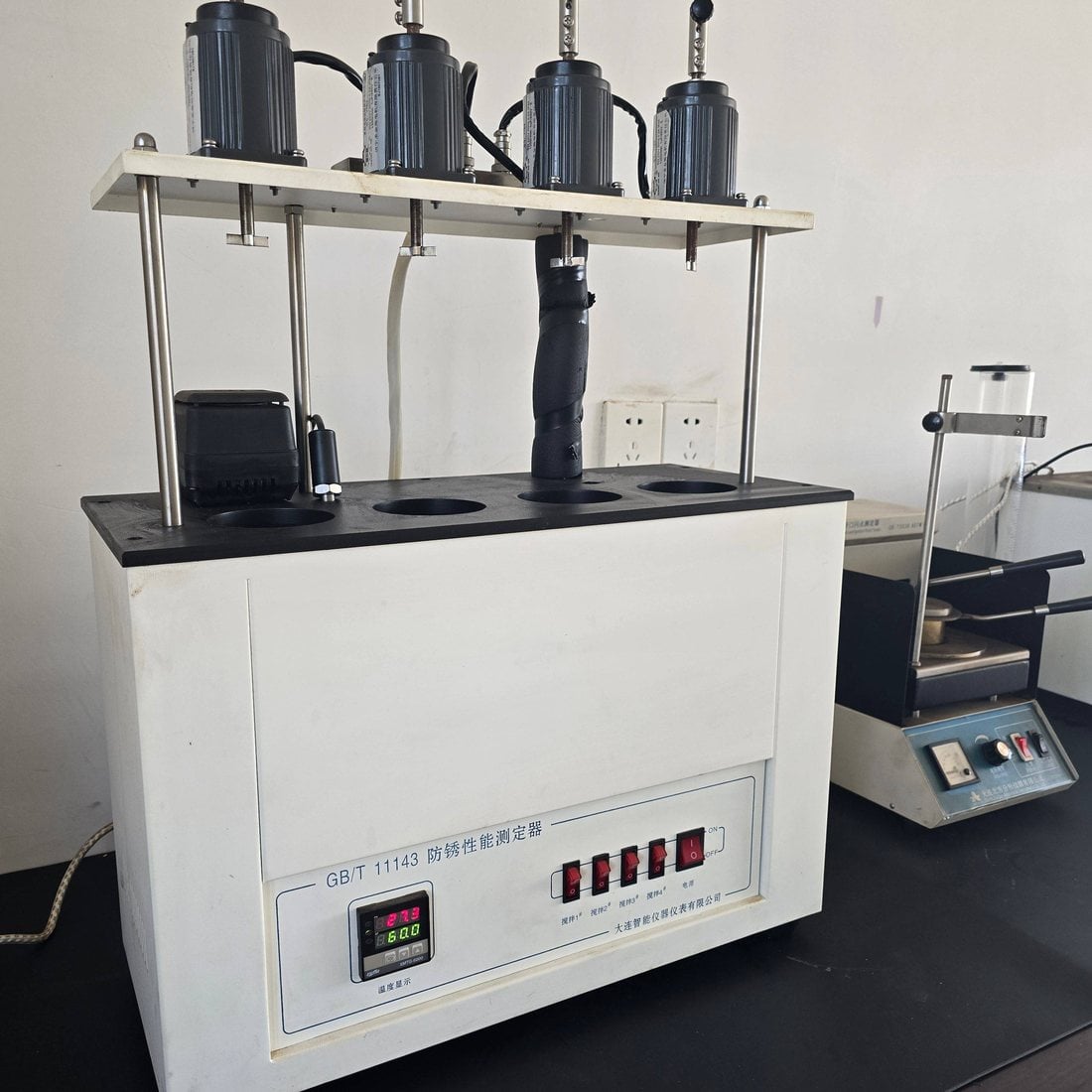
| Humidity cabinet — ASTM D1748 | rust protection of a machined surface | rust inhibitor |
| Copper corrosion — ASTM D130 | yellow-metal attack from active sulfur | metal deactivator; EP S-level |
| Active sulfur — ASTM D1662 | reactive vs inactive sulfur in the EP | EP additive selection |
| Four-Ball EP/wear — ASTM D2783 / D4172 | load-carrying & wear of the fluid | EP / antiwear additive |
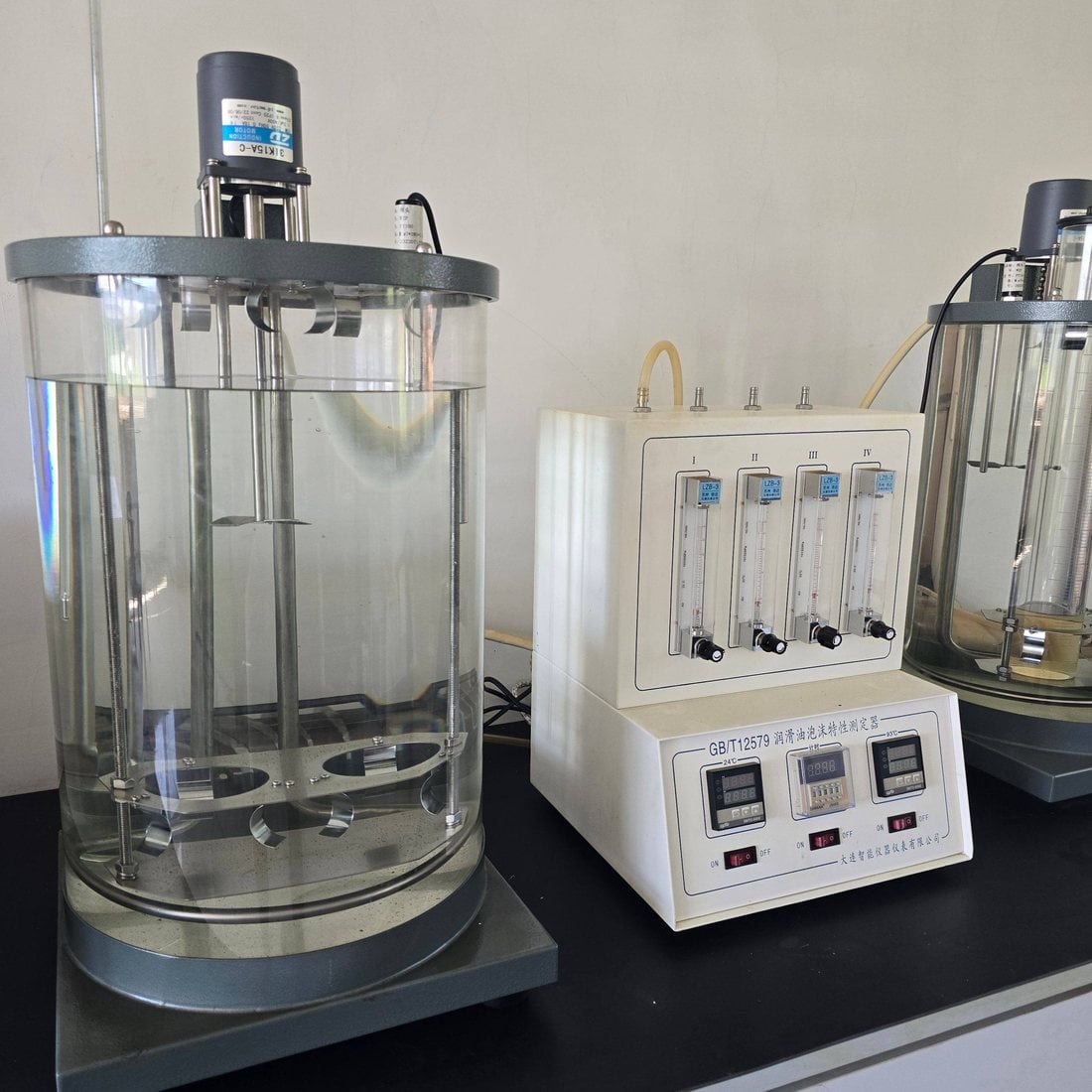
| Foam — ASTM D3601 / D892 | foam tendency & stability in the sump | defoamer |
| Emulsion stability | oil separation in hard water over time | emulsifier system |
“A metalworking additive only counts at working dilution, in your water — so we confirm the concentrate against its data sheet and recommend emulsion and rust testing in your dilution water. Every batch ships with a COA against its TDS, and a third-party SGS report is available on request.”
CheMost technical team
- Batch COA against the grade TDS with every shipment
- Active sulfur (D1662), copper corrosion (D130), active content and viscosity on the concentrate
- Third-party SGS report on request; emulsion / rust qualification is run at the customer’s dilution and water hardness
Treat Rates in Concentrate — Function by Function
MWF additives are dosed into the concentrate, then diluted 10–40× at the machine. Treat rates below are typical concentrate levels; the at-machine concentration is far lower:
| Component | Typical level in concentrate | Primary role |
|---|---|---|
| Sulfurized / phosphorothioate EP | ~2–8% | tool-tip lubricity, anti-seizure |
| Emulsifier system | ~8–20% | oil-in-water emulsion stability |
| Rust inhibitor (sulfonate / amine) | ~3–10% | ferrous flash-rust protection |
| Metal deactivator (triazole) | ~0.05–0.2% | copper / yellow-metal protection |
| Defoamer (silicone / acrylate) | ~10–500 ppm | sump foam control |
Ranges are typical industry figures; the exact treat rate for a CheMost grade is on its TDS, and the treat-rate calculator sizes a dose to your concentrate batch.
Components for Your Metalworking Concentrate
CheMost supplies MWF additives as individual components for fluid manufacturers — EP additives, emulsifiers, rust and corrosion inhibitors and defoamers, each as a standalone concentrate with full TDS, SDS and COA.
Because emulsion and corrosion behaviour depend on your water and your metal, the practical path is to tell us the fluid architecture (neat / soluble / semi-synthetic / forming), the metal substrate, the dilution-water hardness and the tests you must pass. We recommend a component set and starting treat rates, supply samples for confirmation at working dilution, and flag compatibility constraints. See the metalworking additives catalog and the full component range for grade listings.
Why CheMost — Real Data, Not Borrowed Approvals
We state what we can document. Grade data comes from each product’s supplier TDS; where a value is not confirmed for a grade we mark it “on request” rather than estimate. The standards and test methods on this page are public references (ASTM, IP) — not CheMost claims of ownership. What CheMost provides is component chemistry selected to help your fluid pass its tests, backed by batch COA, optional SGS testing, formulation support and custom treat rates. Emulsion, rust and corrosion behaviour is always confirmed at your working dilution and water hardness, not assumed from concentrate data.
Size the Formulation, Pull the Documents
Interactive calculators to size a dose, plus the documents and background reading behind each grade.
This industry hub aggregates chemistry from our Specialty Chemicals and Additive Components catalogs — EP additives, emulsifiers, rust and corrosion inhibitors and defoamers each have their own component pages with grade listings. For the other specialty markets see Fuel, Oilfield and Mining.
Frequently Asked Questions
What is a metalworking fluid, and what are the four main types?
A metalworking fluid (MWF) cools, lubricates and flushes chips at the cutting or forming interface, and protects the part and machine from rust. There are four broad architectures: neat (straight) cutting oils — 100% oil, used undiluted for severe operations; soluble oils — oil-in-water emulsions diluted to 3–10%, the most common type; semi-synthetic fluids — low-oil or oil-free emulsions with synthetic lubricity, better cooling and lower biological risk; and synthetic fluids — fully water-soluble, no oil. Each needs a different additive balance: neat oils lean on EP, while water-based fluids add emulsifier, corrosion, foam and biostability chemistry. CheMost supplies the additive components; the finished fluid is built by the MWF manufacturer.
What is the difference between active and inactive sulfur in EP additives for metalworking?
Active sulfur (measured by ASTM D1662 copper-powder test at 149°C) reacts with metal at moderate temperatures to form iron-sulfide EP films — the mechanism that prevents tool seizure under extreme contact. Inactive sulfur is tightly bonded and only releases above 200°C. For MWF EP additives, active sulfur is necessary for effective EP in steel cutting, but it corrodes copper, brass and bronze — so non-ferrous machining requires inactive-sulfur carriers or phosphate-ester EP (TPPT). The rule: match sulfur activity to the metal being machined, not to operation severity alone.
Why do soluble-oil emulsions fail in hard water, and how is this prevented?
Hard water (high calcium and magnesium) displaces emulsifier from oil-droplet surfaces, splitting the emulsion into separate oil and water phases — visible as cream-coloured deposits or oil rings in the sump. The mechanism is ionic competition: anionic emulsifiers form insoluble Ca/Mg salts that precipitate rather than adsorb at the interface. Prevention: (1) select nonionic emulsifiers not susceptible to hard-water displacement; (2) use a hard-water-stable anionic emulsifier such as an alkyl-ether carboxylate; (3) include a chelating agent (EDTA or NTA derivative) to sequester Ca/Mg. CheMost can recommend emulsifier systems tested in specific water-hardness ranges on request.
How do I control bacteria, pH and rancidity (biostability) in a soluble-oil sump?
Biostability is the leading cause of soluble-oil sump failure. Bacteria and fungi feed on the oil and tramp contamination, dropping pH, generating odour (“Monday-morning smell”) and breaking down corrosion inhibitors so parts rust. Control is a combination of: formulation (bioresistant emulsifier and base-oil choices, pH buffered above ~8.8), biocide (a regulated additive class), and tankside management (tramp-oil skimming, concentration control, regular testing). CheMost supplies the emulsifier, corrosion and pH-stable inhibitor chemistry; biocides themselves are a regulated category we advise on and can help source rather than manufacture, and we state that clearly. The most effective lever is usually a robust, bioresistant base formulation plus disciplined sump management.
Can metalworking fluid additives from the lubricant additive range be used directly?
There is significant chemistry overlap — CheMost’s EP additives, rust inhibitors and corrosion inhibitors from the lubricant line apply to MWF formulation at adjusted treat rates. The main differences: (1) water compatibility — lubricant additives are formulated for oil-phase solubility, so in water-based fluids they must be solubilised in the emulsion oil phase and tested at working dilution; (2) emulsion stability — some lubricant additives destabilise oil-in-water emulsions, so bench emulsion tests at full working dilution are required first; (3) foam — polar additives at high treat rates can contribute foam in water-based systems. Compatibility screening in your specific concentrate is the required first step.
What documentation does CheMost provide for metalworking fluid additive components?
Every commercial order is supported by a TDS (active content, viscosity, flash point, typical treat-rate range); a GHS SDS (handling, storage, regulatory compliance); and a per-batch COA confirming key parameters. For selected EP additives, ASTM D130 (copper-strip corrosion), ASTM D1662 (active sulfur) and sulfur-content data are in the TDS. A Certificate of Origin is available for export, and available ASTM bench data on specific properties can be provided on request during qualification.
What is CheMost’s typical lead time and MOQ for metalworking additive components?
Standard stocked components (EP additives, emulsifiers, rust inhibitors) ship within 7–14 business days of order confirmation. Minimum order is 200 kg (one drum) for most liquid components; some specialty items have IBC (1,000 kg) minimums. Free 1–5 kg trial samples are available for qualified buyers during evaluation. Contact sales with the product, quantity and destination port for a specific lead-time and pricing confirmation.
Tell us the fluid and the metal — we’ll name the chemistry
Give us your fluid type (neat / soluble / semi-synthetic / forming), the metal substrate, dilution-water hardness and the tests you must pass; we’ll recommend components and starting treat rates, then send the TDS, SDS and a sample. Samples in 1 kg and 5 kg; bulk in 200 kg drums and 1000 kg IBC.
Request a Free Sample Get a QuoteAbout this hub & our data. The standards, test methods and chemistry on this page are public references (ASTM, IP) — not CheMost measurements. Failure-mode descriptions reflect the published rationale for those standards, cited as such. Grade specifications come from each product’s supplier TDS; where a value is not confirmed for a grade, we mark it “on request” rather than estimate. CheMost is a manufacturer and sourcing partner established in 2013. Emulsion, rust and corrosion behaviour is always confirmed at the customer’s working dilution and water hardness; biocides are a regulated category we advise on and can help source rather than manufacture. Last reviewed June 2026 · CheMost technical team.
Browse our Metalworking Fluid Additives products →
Explore Other Industries
CheMost serves formulators and blenders across every major lubricant and specialty-chemical sector. Open any industry to see the additives, packages, and application guidance built for it.