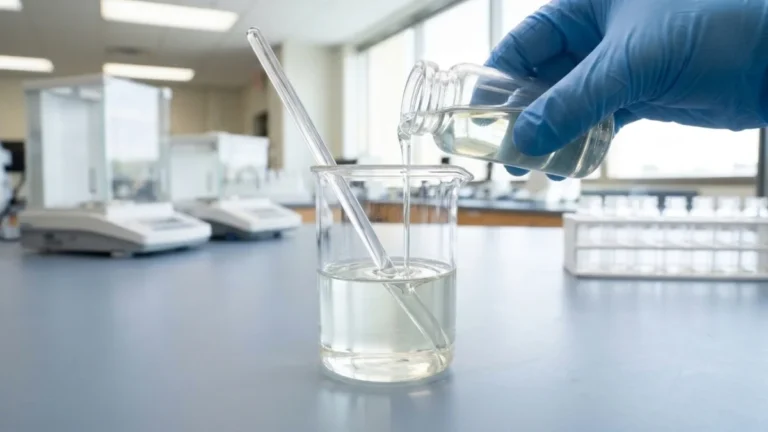
Engine oil detergents and ashless dispersants are complementary surface-active additives that prevent deposit accumulation across distinct combustion temperature zones and particle scales. Overbased calcium and magnesium sulfonates, phenates, and salicylates carry reserve carbonate alkalinity from 150 to 500 mg KOH/g to neutralize corrosive combustion acids and clean 200–350 °C piston ring grooves. Simultaneously, ashless polyisobutenyl succinimide dispersants sterically suspend 20–50 nm soot and low-temperature sludge precursors without contributing sulfated ash to exhaust particulate filters.
1. Temperature Zones and Particle Scale: Detergents Versus Ashless Dispersants
1.1 High-Temperature Piston Ring Zones Versus Low-Temperature Sump Regimes
Internal combustion engines operate across a wide gradient of temperature of more than 250 °C between the piston crown and the oil sump. The upper regime of the cylinder is exposed to severe stress from heat that produces carbonaceous resins and mineral acids from oil oxidation. In contrast, the oil sump and the valvetrain operate at moderate temperatures where fuel blow-by and moisture can condense into thick emulsion sludge. Formulators must balance specialized lubricant additive components so that the finished oil can protect the metal surfaces across both of these operational regimes.
High-temperature conditions above 200 °C drive fuel decomposition and rapid oxidation of the motor oil in the piston ring belt. The ring grooves can accumulate lacquer and hard carbon that pin the compression rings against the piston lands. This packing of carbon leads to ring sticking, scuffing on the cylinder wall, and the loss of compression from blow-by gases. Lubricant blenders deploy metallic detergents and TBN boosters to keep these metal faces clean and to neutralize acidic combustion products before deposits can form.
Lower zones in the engine present a very different operational challenge for the lubricant. Frequent short trips and prolonged idling keep sump temperatures below 95 °C, which prevents water from evaporating out of the crankcase. Water from combustion blow-by emulsifies with unburned fuel, polar oxy-acids, and oxidized resins from the motor oil. This cold emulsion can transform into thick mayonnaise sludge that chokes the pickup screen of the oil pump and blocks oil galleys in the valvetrain.
Formulators and lubricant buyers must know how to confirm whether an industrial or automotive oil contains active detergency. Historic monograde oils, including straight mineral API SA or SB products, carry zero metallic detergent. These legacy fluids show less than 0.01 wt% calcium and magnesium during elemental analysis, and they have a base number below 1.0 mg KOH/g. In contrast, all modern API SP gasoline and API CK-4 diesel lubricants, including heavy-duty SAE 30 monograde diesel engine oils, contain balanced detergent and dispersant systems. Routine laboratory testing reveals 800 to 2500 ppm of alkaline-earth metals, a base number of 6.0 to 13.0 mg KOH/g, and sulfated ash levels between 0.6 and 1.0 wt%.
1.2 Colloidal Carbonate Core Versus Steric Polyisobutylene Architecture
Metallic detergents and ashless dispersants function through fundamentally distinct colloidal architectures. Detergents rely on reverse micelles that have an inorganic core, whereas dispersants use long polymeric hydrocarbon tails to generate entropic steric repulsion. Figure 1 illustrates this structural divergence between an overbased calcium carbonate reverse micelle and a polyisobutenyl succinimide soot stabilization complex.
Overbased metallic detergents have a colloidal core of amorphous or crystalline calcium carbonate or magnesium carbonate. This inorganic core measures between 1 and 10 nm in diameter and carries an alkaline reserve from 150 to 500 mg KOH/g under the perchloric acid test method. A monolayer of short oleophilic surfactant tails, typically containing 14 to 30 carbon atoms, surrounds and stabilizes this carbonate core in the base oil. At ring groove temperatures between 200 and 350 °C, these reverse micelles adsorb onto hot metal surfaces to clear away deposits. They also neutralize sulfuric acid droplets that condense at cylinder liner dew points between 130 and 160 °C.
Ashless dispersants operate through an entirely different physical mechanism. The CheMost ashless succinimide dispersant portfolio is based on polyisobutenyl succinimide chemistry derived from highly reactive polyisobutylene. These molecules have one or two long polyisobutylene chains containing 70 to 200 carbon atoms linked to a polar polyamine head. The extended polymer corona creates a steric barrier of 8 to 15 nm around primary soot particles. When two soot particles approach within 10 to 15 nm, overlapping polymer chains produce an entropic repulsive force of +15 to +25 kT. This repulsion prevents London–van der Waals agglomeration across 3 to 7 wt% diesel soot loading.
Neither of these additive classes can substitute for the other in finished formulations. Detergent surfactant tails are four to fifteen times too short to suspend sub-micron soot particles or low-temperature emulsion sludge. Increasing the treat rate of metallic detergents above 3000 ppm calcium will spike sulfated ash, which can blind exhaust particulate filters and trigger low-speed pre-ignition in gasoline direct-injection engines. In contrast, ashless dispersants contribute zero inorganic carbonate reserve and cannot protect cylinder liners from sulfuric acid corrosion. Lubricant blenders must balance both additive types across the different temperature regimes of the engine.
The structural and operational distinctions between overbased metallic detergents and ashless succinimide dispersants are summarized in Table 1 across governing international standards.
| Structural & Operational Parameter | Overbased Metallic Detergent | Polyisobutenyl Succinimide (PIBSI) Dispersant | Governing Test Standard |
|---|---|---|---|
| Molecular Architecture | Inorganic carbonate core with surfactant monolayer | Polar polyamine head with 1–2 polyisobutylene tails | ASTM D5296 (GPC) |
| Active Tail Length | C14–C30 alkyl chains (Mw ≈ 450–550 g/mol) | C70–C200 branched chains (Mn = 950–2,300 g/mol) | ASTM D2503 / D5296 |
| Colloidal Core & Base Number | 1–10 nm CaCO3 or MgCO3; TBN 150–500 mg KOH/g | Zero inorganic core; TBN 15–75 mg KOH/g | ASTM D2896 |
| Sulfated Ash Contribution | 18–55 wt% neat soap ash | < 0.01 wt% (strictly metal-free) | ASTM D874 |
| Primary Engine Thermal Zone | 200–350 °C piston ring grooves and liner walls | < 120 °C crankcase sump and valvetrain | TEOST 33C / Sequence VH |
| Target Contaminants | Lacquer, hard carbon, and strong mineral acids (H2SO4, HNO3) | 20–50 nm primary diesel soot and watery emulsion sludge | Mack T-8E / Mack T-11 |
2. Metallic Detergent Families: Sulfonate, Phenate, and Salicylate Chemistry
2.1 Comparing Sulfonate, Sulfurized Phenate, and Salicylate Anion Substrates
Selecting an appropriate metallic detergent is a critical step that requires balancing acid neutralization speed, high-temperature antioxidant behavior, water demulsibility, and sulfated ash limits. Formulators choose from three primary synthetic substrate families: alkylbenzene sulfonates, sulfurized alkylphenates, and alkylsalicylates. Each substrate chemistry has a distinctive surface affinity and thermal stability profile that influences the performance of the engine oil.
Alkylbenzene sulfonates serve as the foundational workhorse for heavy-duty and automotive engine oils. Synthesized from linear or branched alkylbenzene feedstocks, overbased synthetic calcium sulfonate (TBN 300 and TBN 400) delivers rapid diffusion-controlled neutralization of strong mineral acids. These products supply 11.5 to 16.5 wt% calcium with a kinematic viscosity at 100 °C between 70 and 130 mm²/s. Blenders also use high-base calcium sulfonate (TBN 300) to secure robust ferrous rust protection in standard ASTM D665 testing. However, sulfonates lack intrinsic free-radical scavenging capabilities and require careful demulsifier balancing to pass water separation tests.
Sulfurized alkylphenates provide dual-action performance by combining an alkaline reserve with thermal oxidation control. In a sulfurized calcium alkyl phenate detergent, thioether bridges can decompose alkyl hydroperoxides while phenolic hydroxyl groups scavenge free radicals at top ring grooves. Kinetic evaluations show that phenates can neutralize bulk weak organic acids faster than sulfonates do. A detailed calcium sulfonate vs calcium phenate performance comparison highlights that phenates provide superior ring-sticking control at 280 to 350 °C. In Europe, regulatory compliance also requires that phenate manufacturers must control residual branched tetrapropenylphenol below 0.1 wt% under REACH regulations, prompting the adoption of linear alkylphenol intermediates.
Alkylsalicylate detergents are the premium standard for modern fuel-efficient and low-ash engine oils. An overbased calcium alkyl salicylate incorporates both an ortho-carboxylate group and an ortho-phenolic hydroxyl group on an aromatic ring. This chelating structure has the highest base-number-to-sulfated-ash efficiency among all commercial detergent classes. Salicylates deliver natural antioxidant inhibition, rapid water separation, and minimal competitive interference with antiwear zinc films. These advantages make alkylsalicylates the preferred detergent chemistry so that formulators can meet ACEA C3, C5, and C6 low-SAPS engine oil specifications.
The chemical composition, typical physical properties, and recommended treat rates for commercial metallic detergent grades are detailed in Table 2.
| Detergent Grade | Substrate Anion | TBN (mg KOH/g, ASTM D2896) | Metal Content (wt%, ASTM D4951/D5185) | KV100 (mm²/s, ASTM D445) | Sulfur Content (wt%, ASTM D4294) | Flash Point (°C, ASTM D92) | Neat Turbidity (NTU, ASTM D6181) | Typical Treat Rate (wt%) |
|---|---|---|---|---|---|---|---|---|
| Neutral Calcium Sulfonate TBN 30 | Alkylbenzene sulfonate | 25–35 | Ca: 2.0–2.6 | 25–50 | 1.5–2.5 | ≥ 180 | < 15 | 0.5–2.0 |
| Overbased Calcium Sulfonate TBN 300 | Alkylbenzene sulfonate | 295–315 | Ca: 11.5–12.5 | 70–100 | 1.8–2.8 | ≥ 190 | < 15 | 0.5–3.0 |
| Overbased Calcium Sulfonate TBN 400 | Alkylbenzene sulfonate | 395–420 | Ca: 15.0–16.5 | 70–130 | 1.2–2.0 | ≥ 200 | < 15 | 0.5–3.5 |
| Overbased Magnesium Sulfonate TBN 400 | Alkylbenzene sulfonate | 390–420 | Mg: 9.0–9.7 | 60–120 | 1.5–2.5 | ≥ 200 | < 15 | 0.3–2.0 |
| Sulfurized Calcium Phenate TBN 250 | Sulfurized alkylphenate | 240–260 | Ca: 9.0–10.2 | 150–300 | 2.8–4.0 | ≥ 200 | < 15 | 1.0–4.0 |
| Overbased Calcium Salicylate TBN 300 | Alkylsalicylate | 290–320 | Ca: 11.0–12.5 | 120–250 | < 0.2 | ≥ 200 | < 15 | 1.0–4.0 |
2.2 Calcium Versus Magnesium Sulfonate in Sequence IX LSPI Mitigation
Turbocharged gasoline direct-injection engines are prone to low-speed pre-ignition events under high loads at 1,500 to 2,500 rpm. Fired-engine testing shows a direct relationship between calcium concentration and abnormal combustion frequency. Every 0.1 wt% increase in calcium raises pre-ignition frequency by approximately 14.1 events in standardized engine evaluations. Hot oil droplets entering the combustion chamber from the piston crevice can vaporize and leave incandescent calcium particles that trigger premature flame kernels. Current API SP and ILSAC GF-6 standards enforce a strict ceiling of five average pre-ignition events, which limits calcium levels to 1,000 to 1,300 ppm in modern engine oils.
Formulators frequently substitute calcium with an overbased magnesium sulfonate (TBN 400) to suppress these pre-ignition events. Magnesium carbonate decomposes endothermically at 350 to 450 °C without forming catalytic ignition centers. However, total replacement of calcium with magnesium causes five distinct operational failures in the engine. Magnesium carbonate forms a rigid crystalline lattice that neutralizes weak organic acids substantially slower than calcium carbonate does. Pure magnesium formulations also show higher deposit levels in high-temperature micro-coking bench tests.
Beyond deposit formation, magnesium ions exchange into zinc dialkyldithiophosphate antiwear films at 110 to 130 °C, increasing boundary friction coefficients. Magnesium also carries an atomic weight penalty of 24.31 g/mol compared to 40.08 g/mol for calcium. This lower atomic mass generates a higher volume of magnesium sulfate ash per unit of base number in standard ash testing. In addition, magnesium sulfonate micelles can hydrate into insoluble magnesium hydroxide needles when exposed to moisture from combustion blow-by, causing filter plugging. A comprehensive review of calcium vs magnesium detergent LSPI mitigation dynamics confirms that blenders must avoid pure magnesium packages.
Formulators solve these technical trade-offs by adopting a balanced hybrid detergent strategy. Blending calcium and magnesium sulfonates at a 70:30 to 50:50 ratio provides 1000 to 1300 ppm calcium alongside 400 to 800 ppm magnesium. Incorporating calcium alkylsalicylate, 500 to 800 ppm molybdenum dithiocarbamate, and 800 ppm phosphorus stabilizes antiwear performance. This hybrid combination suppresses pre-ignition frequency to zero events while passing high-temperature oxidation, low-temperature sludge, and timing-chain wear requirements. Incoming detergent raw materials must also maintain sodium levels below 50 ppm to avoid pre-ignition catalysis.
3. Polyisobutenyl Succinimide (PIBSI) Ashless Dispersants: Molecular Weight and Imidization
3.1 HR-PIB Molecular Weight Selection and Thermal Chlorine-Free Synthesis
Ashless dispersants rely on long chains of polyisobutylene polymer so that they can suspend carbonaceous contaminants in circulating crankcase oil. The number-average molecular weight of the polyisobutylene precursor is what controls the physical thickness of the steric stabilization layer. Selecting the correct length of the polymer chain is a necessary balance between high-temperature diesel soot dispersion and cold-cranking viscosity in modern multi-grade engine oils.
Commercial succinimide synthesis begins by reacting polyisobutylene with maleic anhydride to produce polyisobutenyl succinic anhydride. Low-molecular-weight polymers around 1,000 g/mol produce dispersants that have a high density of polar heads per unit of mass. A polyisobutylene monosuccinimide dispersant derived from this backbone is effective at solubilizing watery emulsion sludge and varnish in passenger car engines. Medium-molecular-weight backbones around 1,300 g/mol can provide a versatile balance of dispersancy and viscometrics for mixed-fleet applications.
Heavy-duty diesel engines operate with severe soot contamination that demands thick steric protection. Formulators use a polyisobutylene bis-succinimide (PIBSI) ashless dispersant or a high-molecular-weight polyisobutylene bissuccinimide that has a 2,000 to 2,300 g/mol polyisobutylene backbone. This long polymer chain extends 10 to 15 nm into the bulk oil to prevent 3 to 7 wt% diesel soot from clustering into abrasive networks. In severe heavy-duty fired-engine tests, this high-molecular-weight barrier halts viscosity runaway and protects valve train components.
The chemical synthesis route for maleic anhydride adduction determines finished product purity. Traditional processes use chlorine gas to catalyze maleation, which leaves 500 to 3000 ppm of residual organic chlorides in the intermediate anhydride. These organochlorine compounds release corrosive hydrochloric acid during service and form toxic dioxins during waste oil combustion. In contrast, modern manufacturing uses highly reactive polyisobutylene with more than 75% terminal alpha-vinylidene content. Reacting this reactive polymer via thermal ene-adduction at 180 to 220 °C yields a completely chlorine-free product containing less than 10 ppm chlorine and under 50 ppm sulfur. While thermal processing yields a darker visual appearance, rigorous chemical testing confirms its superior environmental and thermal stability.
3.2 Mono-Succinimide Versus Bis-Succinimide and Borated Fluoroelastomer Limits
Polyisobutenyl succinic anhydride reacts with polyalkylene polyamines such as tetraethylenepentamine so that it can form active dispersants. Adjusting the molar ratio of anhydride to polyamine is what controls whether the reaction will form a mono-succinimide or a bis-succinimide. Mono-succinimides maintain an unreacted basic polyamine tail that supplies high nitrogen levels between 2.0 and 3.2 wt% and base numbers from 40 to 75 mg KOH/g. Bis-succinimides link two polymer tails to a central polyamine core. This architecture reduces nitrogen content to 1.10 to 1.60 wt% and base numbers to 18 to 30 mg KOH/g, while raising kinematic viscosity at 100 °C to 220 to 350 mm²/s.
High concentrations of unreacted basic amines present severe compatibility risks for engine elastomers. Basic amines can abstract hydrogen fluoride from vinylidene fluoride units in fluoroelastomer crankshaft and valve stem seals. This dehydrofluorination reaction forms brittle carbon-carbon double bonds that undergo amine cross-linking, which causes seal hardening and cracking in standardized bench tests. To prevent seal embrittlement, formulators can treat the dispersant with boric acid at 140 to 170 °C. The resulting boron-modified polyisobutylene succinimide dispersant contains 0.3 to 1.2 wt% boron. Boron-nitrogen coordinate bonds passivate basic amine sites, protect elastomer seals, and deposit sacrificial antiwear films that can reduce timing chain elongation.
During blending technical assistance on a 50 kg pilot batch, our formulation engineers investigated a catastrophic coking failure in a 720-hour thermal stability test under DIN 51528. Analytical comparison between the failed candidate and a passing qualification sample revealed a structural inversion. The rejected batch had a low kinematic viscosity of 181 mm²/s at 100 °C and an elevated base number, indicating incomplete bis-succinimide conversion and excess free polyamines. Under prolonged thermal exposure, these unreacted basic amines formed amine oxides that underwent beta-elimination to generate insoluble coke. In contrast, the passing batch was a fully imidized bis-succinimide with a high viscosity of 324 mm²/s and a controlled base number of 23.01 mg KOH/g. Blenders must verify kinematic viscosity, nitrogen content, polymer molecular weight, and acid value together on incoming certificates of analysis.
Detergents and dispersants can interact competitively with zinc dialkyldithiophosphate on rubbing surfaces of steel. The thermodynamic surface adsorption hierarchy follows a clear progression: dinonylnaphthalene sulfonate rust inhibitors adsorb most strongly, followed by overbased metallic detergents, organic friction modifiers, zinc antiwear agents, and finally ashless dispersants. Basic polyamines in non-borated dispersants can chelate zinc cations in the bulk oil, which delays antiwear film formation. Maintaining a calcium-to-zinc molar ratio of 1.0:1 to 1.8:1 and pairing borated bis-succinimide with molybdenum dithiocarbamate is effective so that the oil can preserve protective 50 to 150 nm tribofilms in valvetrain wear tests.
Table 3 compares commercial ashless dispersant grades across molecular parameters, chemical composition, and performance limits.
| Dispersant Grade | PIB Mn (g/mol, ASTM D5296) | KV100 (mm²/s, ASTM D445) | Nitrogen Content (wt%, ASTM D5291) | Boron Content (wt%, ASTM D4951) | TBN (mg KOH/g, ASTM D2896) | Total Chlorine (ppm, ASTM D7359) | 720-Hour Thermal Stability (DIN 51528) | FKM Seal Compatibility (CEC L-39-T-96) |
|---|---|---|---|---|---|---|---|---|
| High-Nitrogen Mono-Succinimide | 950–1,050 | 140–200 | 2.0–3.2 | < 0.01 | 40–75 | < 10 | Fail (coking deposits) | Moderate (> 40% elongation loss) |
| High-Molecular-Weight Bis-Succinimide | 2,000–2,300 | 280–360 | 1.10–1.60 | < 0.01 | 18–30 | < 10 | Pass (clear, no coking) | Pass (< 25% elongation loss) |
| Borated Bis-Succinimide | 1,300–2,000 | 220–320 | 1.10–1.60 | 0.3–1.2 | 15–35 | < 10 | Pass (clear, no coking) | Superior (< 15% elongation loss) |
4. TBN Titration Divergence, SAPS Dosing Math, and Interfacial Antagonism
4.1 Perchloric Acid ASTM D2896 Versus Hydrochloric Acid ASTM D4739 Titration
Base number measurements assess the capacity of an engine oil to neutralize harmful acidic species. However, the two primary international base number test methods rely on distinct titration chemistries that yield divergent analytical results. Figure 2 shows the chemical titration capture difference between perchloric acid and hydrochloric acid alongside used oil base number depletion curves.
The perchloric acid method in ASTM D2896 utilizes perchloric acid in a leveling solvent system of glacial acetic acid and chlorobenzene. Perchloric acid is an exceptionally strong mineral acid that has a pKa of -10. In this ionizing solvent, perchloric acid titrates 100% of the overbased calcium and magnesium carbonate detergent cores. It also quantitatively titrates weak organic bases, which include basic polyamines in succinimide dispersants and alkylated diphenylamine antioxidants. As a result, ashless dispersants can contribute 18 to 75 mg KOH/g of neat alkalinity, which adds 0.8 to 2.5 mg KOH/g to the measured base number of a fresh engine oil.
In contrast, the hydrochloric acid method in ASTM D4739 employs alcoholic hydrochloric acid that has a pKa of -7 in a solvent blend of toluene, isopropanol, and chloroform. This weaker acid is able to titrate the strong inorganic carbonate cores of metallic detergents, but it captures only a fraction of succinimide polyamines. It fails to titrate hindered aminic antioxidants. A fresh heavy-duty diesel engine oil formulated to a base number of 10.0 mg KOH/g under the perchloric acid method will routinely measure 1.5 to 3.0 mg KOH/g lower under the hydrochloric acid titration.
Technical procurement specifications must avoid mandating the hydrochloric acid test for fresh lubricant release. As documented in ATC Document 146, ASTM D4739 exhibits a wide reproducibility limit of 2.60 mg KOH/g at a base number of 10.0 mg KOH/g. Imposing the hydrochloric acid titration on fresh oil forces blenders to over-formulate with 1.5 mg KOH/g of extra metallic detergent, driving up manufacturing costs and risking sulfated ash breaches. In used oil condition monitoring, however, the hydrochloric acid method provides a more realistic indicator of remaining acid neutralization reserve. Perchloric acid titrates spent dispersant amines that cannot neutralize strong sulfuric acid at cylinder liner temperatures. Fleet operators establish oil drain intervals when the used oil base number drops by 50% or crosses the rising acid number measured under ASTM D664.
4.2 SAPS Blending Equations and Three-Way ZDDP Interfacial Competition
Formulating modern crankcase lubricants requires rigorous mathematical balancing of base number, elemental metals, and sulfated ash limits. Blenders calculate finished oil properties by summing the gravimetric contributions of each individual component. Our interactive TBN contribution and blending calculator assists formulators in predicting additive properties before executing pilot blends.
Total base number blending follows a linear mass-weighted relationship:
TBNblend = ∑i (wi × TBNi) / (100)
The theoretical base number contribution from alkaline-earth metals is calculated from atomic stoichiometry:
TBNCa = Ca (wt%) × 27.99, TBNMg = Mg (wt%) × 46.15
Finished sulfated ash per ASTM D874 is estimated from the elemental concentrations of calcium, magnesium, and zinc:
Sulfated Ash (wt%) ≈ 3.40 × Ca (wt%) + 4.95 × Mg (wt%) + 2.47 × Zn (wt%)
Consider a low-ash passenger car motor oil formulated for ACEA C3 and API SP specifications with a 0.8 wt% sulfated ash ceiling. A typical formulation uses 1.5 to 3.0 wt% total metallic detergent. This mixture combines overbased calcium sulfonate, calcium alkylsalicylate, and overbased magnesium sulfonate. Ashless components include 3.0 to 6.0 wt% polyisobutylene bis-succinimide alongside zinc dialkyldithiophosphate.
This additive combination supplies 800 to 1200 ppm calcium, 600 to 1000 ppm magnesium, and 600 to 800 ppm phosphorus. The blended base number reaches 7.0 to 8.5 mg KOH/g under the perchloric acid test method, while total sulfated ash remains below the 0.8 wt% specification ceiling. These balances are engineered into commercial passenger car motor oil (PCMO) additive packages.
Excessive detergent concentrations disrupt antiwear tribofilms on rubbing steel asperities. When calcium levels exceed 2000 ppm, calcium ions displace zinc cations from polyphosphate chains, producing short ortho-phosphate films that wear more rapidly. Maintaining a dispersant-to-detergent treat weight ratio between 2.5:1 and 4.5:1 prevents tribofilm displacement and satisfies timing chain wear limits. Synthetic Group IV polyalphaolefin base stocks also have low polarity that can cause colloidal sulfonate micelles to haze or separate during cold storage. Blenders add 5 to 10 wt% Group V synthetic ester or high-molecular-weight dispersant to stabilize colloidal micelles across extreme temperature swings.
Recommended additive treat rates, elemental concentrations, and base number targets across automotive and marine applications are detailed in Table 4.
| Application Tier | Performance Standards | Detergent Treat Rate (wt%) | PIBSI Dispersant Treat Rate (wt%) | Elemental Limits (ppm) | Fresh TBN (mg KOH/g, ASTM D2896) | Sulfated Ash Limit (wt%, ASTM D874) |
|---|---|---|---|---|---|---|
| Gasoline Direct-Injection PCMO | API SP, ILSAC GF-6/GF-7 | 1.5–2.5 (Ca/Mg hybrid) | 3.0–5.5 (Borated bis) | Ca: 800–1,200, Mg: 400–800, P: 600–800 | 7.0–8.5 | ≤ 0.9 |
| Low-SAPS European PCMO | ACEA C3, C5, C6 | 1.5–2.8 (Salicylate/Sulfonate) | 4.0–6.0 (Borated bis) | Ca: 1,000–1,400, P: 700–900, S: ≤ 0.30% | 7.5–9.0 | ≤ 0.8 |
| Heavy-Duty Diesel Engine Oil | API CK-4, ACEA E8/E11 | 2.5–4.5 (High-base Ca/Mg) | 6.0–8.5 (HMW bis) | Ca: 1,500–2,400, P: 1,000–1,200 | 9.5–13.0 | ≤ 1.0 |
| Marine Trunk Piston Engine Oil | 4-Stroke Medium-Speed Marine | 8.0–18.0 (Overbased Ca Sulfonate/Phenate) | 1.0–3.0 (Mono/Bis) | Ca: 1.0–2.2 wt% | 30.0–55.0 | Unrestricted (high TBN) |
5. Blending Kettle Gelation, Quality Control Gates, and Export Logistics
5.1 Incoming Nephelometric Turbidity and Unmasked Foaming Quality Control
Rigorous incoming raw material inspection prevents costly blending kettle contamination and finished oil rejections. During an audit of 20 to 24 metric ton raw material shipments in 1.2 metric ton intermediate bulk containers, our quality control team rejected a batch of overbased calcium sulfonate with a base number of 400 mg KOH/g. Although the material met nominal base number and calcium targets, it failed two critical inner-control parameters.
The first failure occurred during neat nephelometric turbidity testing under ASTM D6181 at 25 °C. The incoming batch registered approximately 20 nephelometric turbidity units, which breached our strict acceptance ceiling of 15 NTU. Elevated turbidity indicates that centrifugation after carbonation was incomplete, or that calcium carbonate particles have begun to flocculate. When blended into clear Group II or Group III base oils, these hazy micelles can cause storage haze and filter screen blinding.
The second failure was found in foaming tendency under ASTM D892 Sequence I at 24 °C. When screened at a treat rate of 2.0 wt% in base oil without any antifoam additive, foam stability was greater than 25/0 mL. The chemical supplier had spiked a trace of silicone defoamer into its certificate of analysis sample so that it could mask air entrainment from the surfactant. Spiked defoamers will shear out or settle during storage, which leaves finished lubricants prone to aeration and oil pump cavitation. We now require unmasked foam evaluations on all incoming detergent lots before we approve drum or bulk transfers.
High-detergency formulations also require careful evaluation of compatibility with the internal coatings of an engine. Formulators who develop aggressive engine flush oils combine high levels of overbased calcium sulfonate with basic polyamine dispersants. At operating temperatures near 150 °C, active polyamines and alkaline micelles can soften and blister internal electrophoretic paint coatings on the oil pan. Blenders must conduct immersion testing on painted steel coupons at 150 °C before they release concentrated detergent formulations for commercial service.
5.2 Blending Kettle Charging Sequence, Hot-Filling IBC Venting, and Container Payload
Charging a blending kettle in the wrong order can cause immediate gelation of the lubricant. During a technical assistance audit at a customer facility, a blender was switching polyisobutylene succinimide lots and suffered immediate filter screen plugging and kettle solidification. The raw dispersant was clear and was able to pass all quality specifications. Investigation confirmed that the operator charged neat polyamine dispersant directly onto concentrated overbased calcium sulfonate without diluting it in base oil. Multidentate polyamine heads coordinated with surface calcium ions across multiple reverse micelles, which created an insoluble three-dimensional gel network. Reusing unwashed steel drums that had held calcium sulfonate also caused cross-contamination gelation.
Blenders must enforce a disciplined kettle charging sequence to avoid micellar shock. The kettle operator charges 60 to 70 percent of the formula base oil and heats the fluid to 50 to 65 °C, keeping heating coil skin temperatures below 80 °C. The operator then charges Viscosity Index Improver and circulates the mixture until dissolved. The ashless dispersant is preheated to 60 to 70 °C, charged into the warm base oil, and mixed for 15 to 20 minutes to ensure full molecular dispersion. Next, overbased metallic detergents are added slowly into the mixing vortex. Once the detergent is dispersed, the operator adds antioxidants and zinc dialkyldithiophosphate at temperatures below 60 °C. Finally, a pre-diluted antifoam stock solution is added last. These procedures are maintained across our heavy-duty diesel engine oil additive packages.
Handling and export logistics also require strict mechanical discipline. High-viscosity succinimide intermediates are often filled into intermediate bulk containers at temperatures above 100 °C so that operators can reduce pumping resistance. If container bungs are sealed immediately while the fluid is hot, cooling air and thermal contraction will generate an internal vacuum that can crush the walls of the polyethylene tote. Operators must leave bungs vented until fluids have cooled to ambient room temperature.
International export shipments under Harmonized System Code 3811.21 must optimize container payload geometry while staying within gross road weight limits. Standard steel drums of 200 liters holding 200 kg net of sulfonate or 170 to 180 kg net of dispersant load 80 drums per 20-foot container, which yields 14.4 to 16.0 metric tons net. For intermediate bulk containers holding 1,000 kg net, a 20-foot container carries 20 IBC units for a net payload of 20.0 metric tons. In 40-foot ocean containers, shippers can load 28 to 29 IBC units, achieving a gross container weight of 27.75 to 27.84 metric tons. This payload stays strictly below the international limit of 28.0 metric tons for highway and terminal transport.
RFQ Technical Checklist
Lubricant blenders, toll manufacturers, and procurement engineers who are planning new crankcase or marine formulations are invited to request certificates of analysis, technical dossiers, and qualification samples. Our engineering team can review base stock compatibility, target performance standards, and elemental constraints to provide customized recommendations for components. Please contact our technical sales team for comprehensive technical formulation and procurement consultation and trial batch support.
| Procurement Dimension | Specification Details & Engineering Parameters | Verification & Testing Standard |
|---|---|---|
| Base Oil Group & Viscosity Grade | API Group I, Group II, Group III, Group IV PAO, Group V ester; multi-grade 0W-20, 5W-30, 10W-40, 15W-40, or marine SAE 30, 40, 50 | ASTM D445 Kinematic Viscosity at 40 °C and 100 °C; ASTM D5293 Cold-Cranking Viscosity |
| Target Treat Rate (wt%) & Co-Additives | 0.4 to 3.5 wt% Ca/Mg Sulfonate, Phenate, Salicylate (TBN 150–400 mg KOH/g); 2.5 to 8.5 wt% PIBSI Dispersant; ZDDP, antioxidants, antifoam | ASTM D2896 / ASTM D4739 TBN; ASTM D4951 / D5185 Elemental Ca, Mg, Zn, P, B |
| Operating Condition & Target Test Standard | API SP / ILSAC GF-6 Sequence IX LSPI; ACEA C3 / C5 / C6 sulfated ash; API CK-4 Mack T-11 soot; 720-hour thermal stability; neat turbidity < 15 NTU | ASTM D8291 (LSPI); ASTM D874 (Sulfated Ash ≤ 0.8–1.0 wt%); ASTM D7156 (Mack T-11); DIN 51528; ASTM D6181 (< 15 NTU) |
| Packaging Spec & Destination Port | 200 L steel drums (170–200 kg net) or 1,000 L IBC totes (900–1,000 kg net); 20ft FCL (20.0 MT net) or 40ft FCL (28–29 IBCs, ≤ 27.84 MT gross); CIF/FOB destination port under HS Code 3811.21 | Factory drum filling; ASTM D892 Sequence I unmasked foaming; container payload compliance |
6. Frequently Asked Questions (FAQ)
What does detergent do to engine oil, and how does it differ from a dispersant?
A metallic detergent provides an alkaline reserve that can neutralize acidic combustion byproducts such as sulfuric acid and nitric acid, while it cleans lacquer and carbon deposits from hot piston ring grooves between 200 and 350 °C. In contrast, an ashless dispersant contains zero metallic ash and uses long polyisobutylene chains so that it can sterically suspend sub-micron diesel soot and low-temperature watery sludge in the circulating engine oil below 120 °C.
How can you tell if an engine oil is a detergent oil, and is SAE 30 a detergent oil?
You can identify a detergent engine oil by checking its product data sheet for an official API or ACEA service category, a base number above 6.0 mg KOH/g, and elemental calcium or magnesium levels between 800 and 2500 ppm. Legacy non-detergent oils, such as API SA mineral oils used in vintage compressors, contain under 0.01 wt% metal and have base numbers below 1.0 mg KOH/g. Modern SAE 30 monograde oils designed for heavy-duty diesel engines are formulated detergent oils that contain active metallic sulfonates and ashless dispersants.
Can you use more metallic detergent instead of an ashless dispersant in an engine oil formulation?
No, metallic detergents cannot replace ashless dispersants in formulated engine oils. Detergent surfactant tails are four to fifteen times too short to provide the steric barrier that is needed to prevent diesel soot agglomeration and low-temperature sludge formation. Overdosing metallic detergents will also increase sulfated ash beyond catalyst limits, which can trigger destructive low-speed pre-ignition in gasoline direct-injection engines and disrupt zinc antiwear tribofilms on rubbing steel surfaces.
Does an ashless dispersant contribute to TBN, and why do ASTM D2896 and ASTM D4739 differ?
Yes, polyisobutenyl succinimide ashless dispersants contribute 18 to 75 mg KOH/g of neat weak-base alkalinity through their basic polyamine nitrogen groups. The perchloric acid titration method uses strong perchloric acid in glacial acetic acid so that it can titrate both strong detergent carbonate cores and weak dispersant amines completely. In contrast, the hydrochloric acid method uses a weaker acid, which titrates the inorganic carbonate core but captures only a portion of the dispersant amines. As a result, fresh formulated heavy-duty engine oils will measure 1.5 to 3.0 mg KOH/g lower on hydrochloric acid titration than on perchloric acid titration.
Why does mixing neat PIBSI dispersant directly with overbased calcium sulfonate cause gelation in the blending kettle?
Direct contact between neat polyisobutylene succinimide dispersant and concentrated overbased calcium sulfonate creates a localized contact zone of high polarity. Multidentate polyamine heads on the dispersant can coordinate with surface calcium ions across multiple reverse micelles, bridging them into an insoluble three-dimensional polymer-micellar gel. Blenders can avoid kettle gelation and filter plugging by pre-diluting the dispersant into heated base oil at 50 to 65 °C and thoroughly circulating the mixture before they introduce metallic detergents.
Why do some high-TBN ashless dispersants fail the DIN 51528 720-hour thermal stability test?
High-TBN ashless dispersants that fail the 720-hour DIN 51528 thermal stability test typically have low kinematic viscosity and an unreacted mono-succinimide structure with excess primary and secondary amines. Under sustained thermal stress, these unhindered polyamines can form amine oxides and undergo beta-elimination, which accelerates oxidative polymerization and generates heavy carbonaceous coke. Formulators can pass extended thermal stability testing by selecting high-molecular-weight bis-succinimide grades with kinematic viscosity at 100 °C above 300 mm²/s, where both ends of the polyamine core are fully capped by polyisobutylene tails.
Technical Support & Formulation Consultation
Balancing calcium-to-magnesium detergent ratios, high-TBN sulfonate/phenate treat rates, or low-SAPS compatibility for TGDI engine oils and heavy-duty diesel formulations? CheMost technical specialists provide certified Certificate of Analysis (CoA) parameters, batch verification, and custom formulation blending assistance.
References & Empirical Standards
- Hudson, L. K., Eastoe, J., & Dowding, P. J. “Nanotechnology in Action: Overbased Nanodetergents as Lubricant Additives.” Advances in Colloid and Interface Science, vol. 123–126, 2006, pp. 425–431. https://doi.org/10.1016/j.cis.2006.05.003
- Zhang, Z., Yamaguchi, E. S., Kasrai, M., & Bancroft, G. M. “Interaction of ZDDP with Borated and Non-Borated Succinimide Dispersants: A XANES and Tribological Study.” Tribology Letters, vol. 19, no. 3, 2005, pp. 211–220. https://doi.org/10.1007/s11249-005-6148-2
- ASTM International. ASTM D2896: Standard Test Method for Base Number of Petroleum Products by Potentiometric Perchloric Acid Titration, ASTM D4739: Standard Test Method for Base Number Determination by Potentiometric Hydrochloric Acid Titration, & ASTM D6181: Standard Test Method for Measurement of Turbidity in Clear Liquids. https://www.astm.org/d2896-21.html
- Gutiérrez, A., et al. Multifunctional Viscosity Index Improver and Ashless Dispersant Derived from Highly Reactive Polyisobutylene. U.S. Patent 5,275,747, filed Jan. 4, 1994 (Google Patents Registry). https://patents.google.com/patent/US5275747A/en
Related Articles

Calcium vs Magnesium Detergent: Resolving LSPI, Ash Chemistry, and Corrosion in TGDI Formulations

Calcium Sulfonate vs Calcium Phenate: Which Detergent Does Your Formulation Need?