Lubricant Additive Components
CheMost supplies zinc dialkyldithiophosphate (ZDDP) antiwear additives — the multifunctional zinc-phosphorus chemistry that builds a protective film on rubbing metal surfaces while also acting as an antioxidant and corrosion inhibitor in engine oils, hydraulic fluids, gear oils and greases.
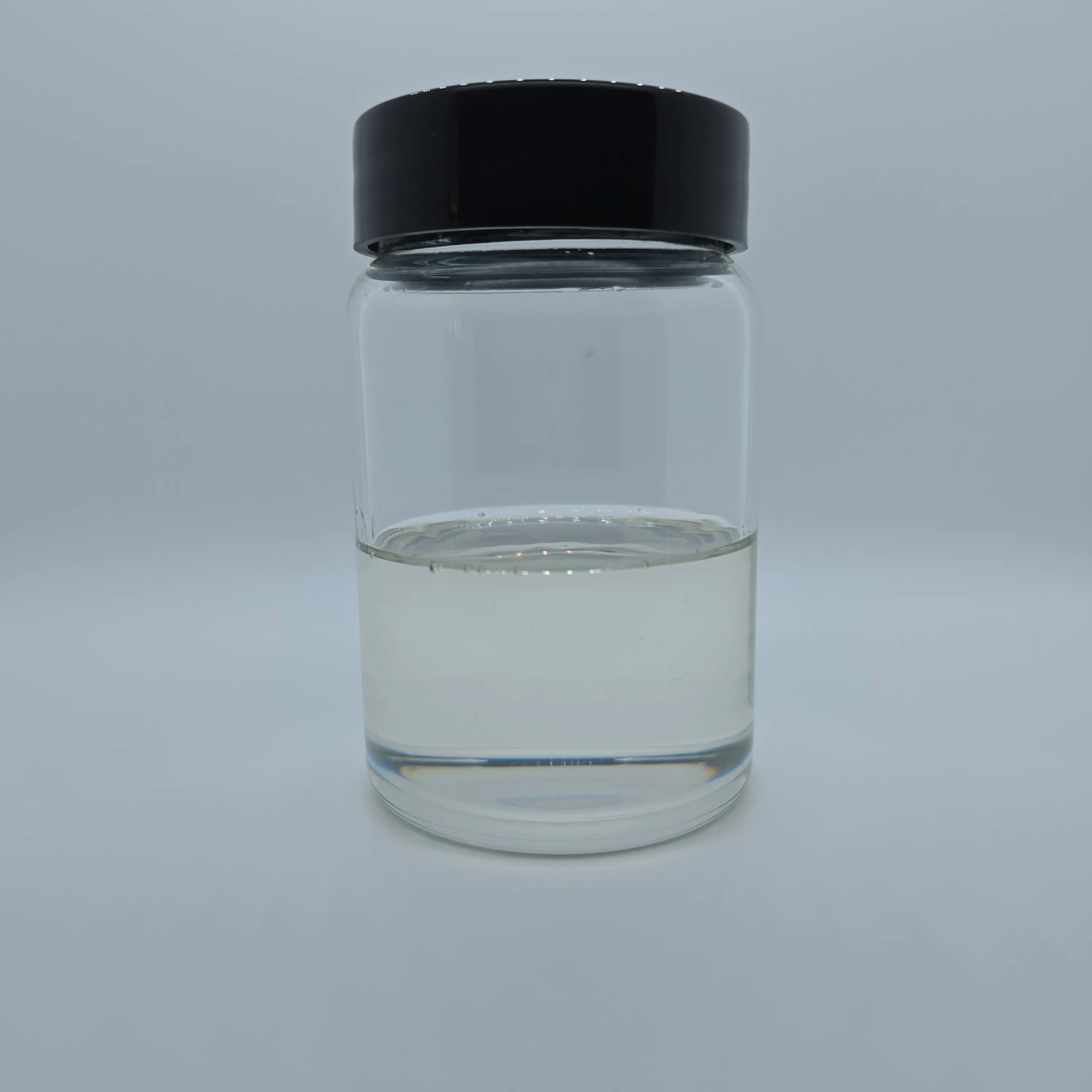
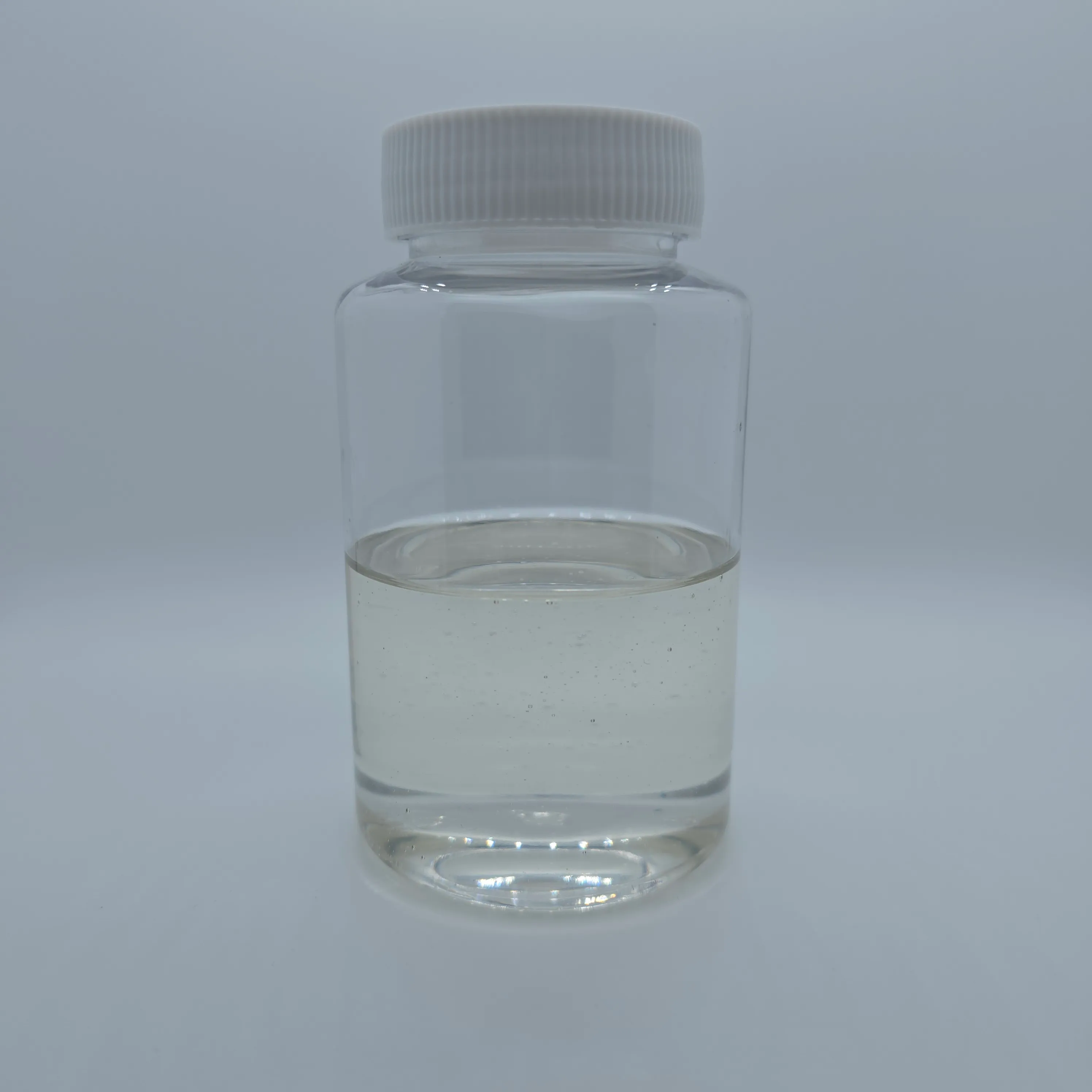
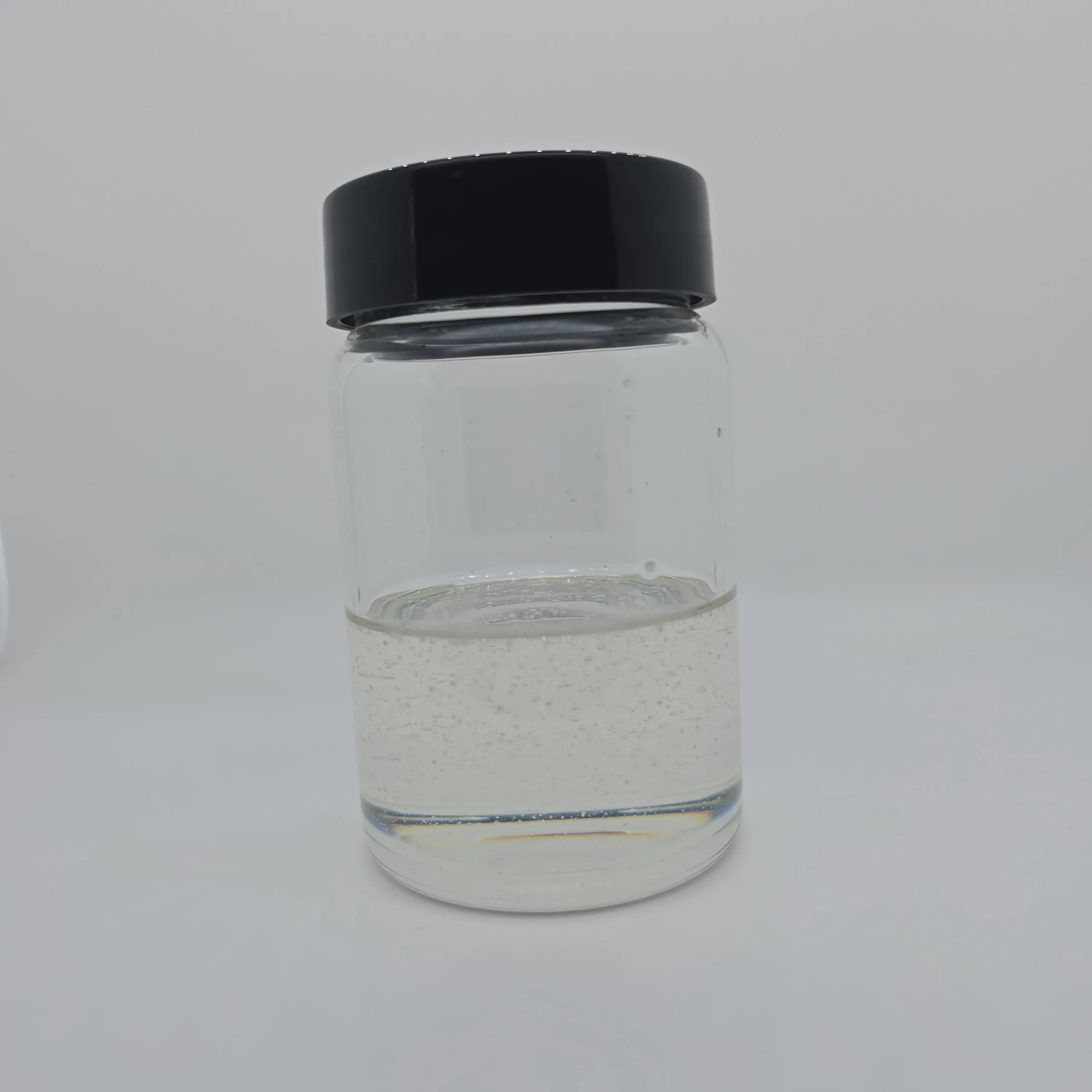
The range covers two ZDDP chemistries — a primary-alkyl grade for engine oils (standard SPZS-S1 and long-chain SPZS-L1) and a primary-secondary alkyl grade (SPZS-M1) built for hydraulic and industrial oils. Compare them below, then open a product page for the exact specifications and documentation.
Browse CheMost ZDDP & Antiwear Additives
Start with the product family that best matches your formulation target. Each product page goes deeper into the exact grade, properties, and documentation.
Why ZDDP Matters as an Antiwear Additive
Zinc dialkyldithiophosphate (ZDDP) is the most widely used antiwear additive in the lubricant industry — in continuous service for more than fifty years across engine oils, transmission fluids, hydraulic fluids, gear oils and greases — because one low-cost molecule does three jobs at once: antiwear protection, mild extreme-pressure activity, and oxidation and corrosion inhibition.
How the film works: under boundary and mixed lubrication — the moments when the oil film thins enough for surface asperities to touch — ZDDP decomposes at the hot contact and grows a layered, self-renewing tribofilm: an iron-sulfide anchor against the metal, a load-bearing zinc/iron polyphosphate “glass” layer (typically 50–150 nm thick) that shears in place of the metal, and an outer organic layer that keeps the film oil-compatible. As rubbing removes the film, fresh ZDDP in the bulk oil rebuilds it, so wear protection regenerates until the additive depletes — which is why drain interval tracks ZDDP depletion.
ZDDP rarely works alone. It is balanced against detergents and ashless dispersants in every crankcase package, and pairs with organomolybdenum friction modifiers (MoDTC / MoDTP) that cut friction and help formulators hold phosphorus down where modern specifications demand it.
The CheMost ZDDP Range
CheMost supplies ZDDP in two chemistries — a primary-alkyl grade for engine oils and a primary-secondary alkyl grade for hydraulic and industrial oils. Both are high-zinc, high-phosphorus antiwear additives; the alkyl structure sets how fast the film forms and how the grade is positioned.
Zinc Dialkyldithiophosphate — Primary Alkyl
Grades: SPZS-S1 (standard) · SPZS-L1 (long-chain), C4/C8 primary.
Best for: Engine oils — the thermally and hydrolytically stable primary class; the long-chain SPZS-L1 adds high-temperature endurance for turbocharged and marine oils.
Zinc Dialkyldithiophosphate — Primary-Secondary Alkyl
Grade: SPZS-M1 (C3 secondary + C4/C8 primary).
Best for: Hydraulic & industrial oils — fast, lower-temperature antiwear film with rapid water separation (anti-emulsification) and hydrolytic stability.
How to Choose the Right ZDDP
Four variables decide which ZDDP fits a formulation — alkyl type, alkyl chain length, the phosphorus budget and system compatibility. Work through them against your target oil:
- Primary vs primary-secondary alkyl: primary-alkyl ZDDP gives the best thermal and hydrolytic stability and is the default for engine oils — CheMost offers it as the standard SPZS-S1 and long-chain SPZS-L1. A primary-secondary grade (SPZS-M1) adds a C3 secondary component for faster, lower-temperature film formation and rapid water separation, which is what hydraulic and industrial oils need. Match the chemistry to the fluid: engine oil → primary; hydraulic / industrial → primary-secondary.
- Alkyl chain length and volatility: within the primary class, the long-chain SPZS-L1 is more stable at high temperature and far more resistant to hydrolysis than the standard SPZS-S1; short alkyl groups are more volatile and less oil-soluble. Match the chain length to your operating temperature and water-exposure risk.
- Phosphorus & SAPS budget: phosphorus from ZDDP is capped by modern specifications — around 0.08 wt% (800 ppm) for API SP and ILSAC GF-6/GF-7 passenger-car oils, roughly 0.06 wt% for low-SAPS ACEA C1/C2, and higher for heavy-duty diesel — because excess phosphorus can poison exhaust catalysts. At 7.2% phosphorus, a 1.0 wt% treat contributes about 720 ppm; calculate the contribution before fixing the dose, and supplement with ashless antiwear and organomolybdenum where the limit is tight.
- Application severity: engine and hydraulic oils use modest treat rates; gear oils and greases run higher and usually pair ZDDP with a sulfurized-olefin EP additive for the heaviest loads.
- Compatibility — soft metals: ZDDP attacks silver and some copper alloys and can damage axial-piston pumps at sliding steel–copper interfaces. Systems with silver-plated bearings or silver-bearing components must avoid ZDDP and use an ashless antiwear instead — a substitution, not a treat-rate adjustment.
Common Applications
- Engine oils (PCMO & heavy-duty diesel): valve-train, cam/follower and ring/liner wear protection plus oxidation control; typically around 1.0–3.0 wt%, with the upper end limited by the phosphorus cap.
- Antiwear hydraulic fluids: vane- and piston-pump antiwear and oxidation stability — the long-chain grade suits water-exposed systems; avoid ZDDP in silver-containing axial-piston systems.
- Industrial & gear lubricants: antiwear plus mild EP, usually with a sulfurized olefin in gear oils for the heaviest loads.
- Lubricating greases: antiwear and EP for high-load and EP greases, around 0.5–3.5 wt%.
- Marine & stationary engine oils: wear and corrosion protection alongside a high-TBN detergent package that neutralises high-sulphur-fuel acids.
Need help selecting a ZDDP grade?
Tell us your target application, operating temperature range, water-exposure risk and phosphorus/SAPS budget. We will point you to the right grade first — standard primary (SPZS-S1) or long-chain primary (SPZS-L1) — then share the relevant technical documents.
Request a Sample Get a QuoteZDDP is specified in Automotive Lubricant and Industrial Lubricant formulations, balanced against detergents and dispersants and paired with friction modifiers. See our industry pages for a full overview of the additives used in each application.
Quick Reference
What is ZDDP (zinc dialkyldithiophosphate)?
ZDDP is the most widely used antiwear additive in lubricants — an organometallic zinc-phosphorus compound that builds a protective tribofilm on metal surfaces under load. It is multifunctional: antiwear agent, mild extreme-pressure agent, and oxidation and corrosion inhibitor, all at low cost. It has been the workhorse antiwear chemistry in engine oils for over fifty years.
What is the difference between primary and secondary ZDDP?
Primary-alkyl ZDDP (from primary alcohols) has the best thermal and hydrolytic stability and is preferred for engine oils; secondary-alkyl forms its film faster and at lower temperature but is less stable. CheMost supplies primary-alkyl ZDDP as the standard SPZS-S1 and long-chain SPZS-L1, plus a primary-secondary grade (SPZS-M1, C3 secondary + C4/C8 primary) that blends both behaviours for hydraulic and industrial oils.
How much ZDDP is used, and why is the treat rate limited?
Typical treat rates are around 1.0–3.0 wt% in engine oils, 0.2–5.0 wt% in industrial lubricants and 0.5–3.5 wt% in greases. The upper limit in engine oils is set by phosphorus: modern specifications cap phosphorus near 0.08 wt% (800 ppm) for API SP and ILSAC GF-6/GF-7, and around 0.06 wt% for low-SAPS ACEA C1/C2, because excess phosphorus can poison exhaust catalysts. Calculate the phosphorus contribution before setting the dose and confirm with our team for your package.
Is ZDDP an antiwear additive or an extreme-pressure additive?
ZDDP is primarily an antiwear additive that protects under moderate, mixed-lubrication contact, with mild extreme-pressure activity. Dedicated EP additives such as sulfurized olefins activate only under severe high-temperature contact to prevent welding. For hypoid gears and heavy metalworking, ZDDP is paired with a true EP additive rather than used alone.
Is ZDDP compatible with every system?
ZDDP is compatible with mineral and most synthetic base oils, but it attacks silver and some copper alloys and can damage axial-piston pumps at sliding steel–copper interfaces — silver-bearing systems require an ashless antiwear instead. It can also interact with overbased detergents in the presence of water to form filter-clogging by-products, so confirm compatibility in formulation screening. Most interactions with other additives are positive — detergents and dispersants support ZDDP film formation.
From the Blog
View all →Explore Other Additive Components
Every CheMost additive component, at a glance. Build a complete formulation — open any family to see its full product range, grades, and treat rates.