A grease is not an oil that someone thickened — the thickener is an active chemical component, and it decides which additives work and at what level. CheMost supplies the components grease makers blend into lithium, lithium-complex, calcium-sulfonate-complex, aluminum-complex and polyurea systems: EP and antiwear, antioxidants, rust and corrosion inhibitors, metal deactivators and tackifiers. These are bulk formulation materials for grease manufacturers — not finished grease cartridges. Factory-direct from Jinzhou, China.
Why Grease Additive Chemistry Is Different From Oil Additive Chemistry
Grease formulation cannot simply borrow treat rates from lubricating-oil practice. The thickener system — lithium soap, lithium complex, calcium sulfonate complex, aluminum complex or polyurea — is an active chemical component, not an inert carrier. Many standard lubricant additives interact directly with the thickener and can alter grease structure, drop point, penetration and oxidation stability in ways that are not predictable from oil-based data alone.
The additive must survive the thickener, not just the base oil
The most consequential interaction is between ZDDP and soap thickeners: ZDDP — particularly secondary-alkyl grades — can exchange zinc with lithium soap structures, softening the grease and degrading its texture. EP sulfur compounds can react with calcium-based thickeners at elevated temperature. Antioxidants that are highly effective in oil can leach from the grease matrix under shear. Every additive combination must therefore be validated in the actual grease base system — never modelled from oil data. CheMost’s range covers the additive functions required; compatibility testing in your own grease is always the definitive step.
EP & Load Carrying
Sulfurized EP and phosphate-ester chemistry for bearing, gear and sliding-contact surfaces. Active-sulfur level must be matched to the thickener and metal type — calcium sulfonate complex greases tolerate higher active sulfur than lithium soaps.
Antiwear Protection
ZDDP antiwear in grease provides boundary-film protection in moderate-load bearings. ZDDP treat rate in grease is typically 0.5–2% (lower than in engine oil), and compatibility with the soap thickener must be confirmed before production-scale use.
Oxidation Stability
Hindered-phenolic and aminic antioxidants extend grease service life at elevated temperature. Synergistic phenolic/aminic blends outperform single-type antioxidants in high-temperature industrial bearing greases on long relubrication intervals.
Rust & Corrosion Control
Rust inhibitors and metal deactivators for water-contamination resistance, outdoor and wet service, and protection of copper-alloy contact surfaces. Essential in multipurpose, automotive-chassis and marine greases.
What an Underbuilt Grease Actually Costs
Grease specifications exist because specific field failures are expensive — and in a sealed bearing, the grease is the only line of defence between relubrication intervals. The additive system is where each failure mode is controlled, and where an underbuilt grease shows up first.
Tell us your thickener system, base-oil viscosity and NLGI grade target and we’ll name the components and a starting treat rate — with any known compatibility flags.
The Grease Selection Matrix
Additive demand in grease varies substantially by application. Start from the end-use and the thickener; that fixes which additive function dominates and which CheMost components fit.
| Application | Typical thickener / NLGI | What dominates the additive system | CheMost components |
|---|---|---|---|
| Industrial bearings (motors, pumps, fans) | Lithium complex or polyurea · NLGI 2 | oxidation stability (long relube) + rust + moderate antiwear | antioxidants · rust inhibitors |
| Automotive chassis & universal joints | Lithium multipurpose · NLGI 2 | water resistance + rust + EP + metal deactivation (Cu alloys) | EP · metal deactivators |
| Open gear & wire rope | Calcium sulfonate complex · NLGI 1–2 | film retention (tack) + EP at slow speed / high pressure + corrosion | tackifiers · EP |
| High-temperature bearings (ovens, kilns) | Lithium complex / CSC / polyurea · NLGI 2 | robust aminic+phenolic antioxidant; low-volatility base oil | antioxidants |
NLGI grades and consistency classes shown are the public finished-grease references a grease is built to; the NLGI mark (e.g. GC-LB, HPM) and any NSF H1 registration are obtained and held by the finished-grease marketer, not the additive supplier. CheMost supplies components formulated to help a grease reach them.
CheMost Additive Components for Grease Formulation
Each category addresses a specific function in grease formulation. Product pages provide individual grade specifications, thickener-compatibility notes and typical treat-rate ranges. Greases are built from individual components — CheMost supplies the chemistry, not a finished grease.
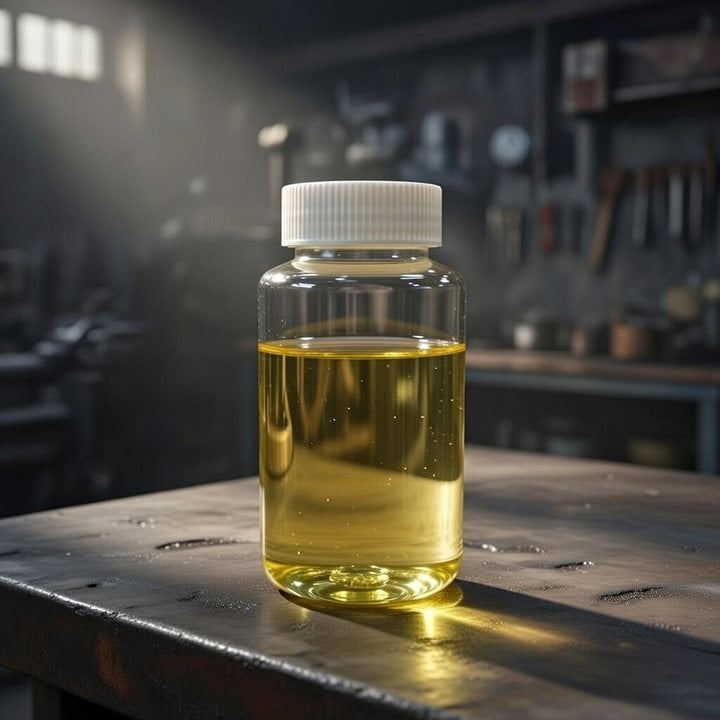
Extreme Pressure (EP) Additives
Sulfurized isobutylene and phosphorothioate chemistry are the primary EP options for grease. High active-sulfur grades give heavy load-carrying in steel-on-steel contacts; controlled-corrosivity grades (ASTM D130 1a) suit mixed-metal and open-gear work; ashless phosphorothioate is used where active-sulfur chemistry is excluded. In lithium-complex and NLGI 2+ greases, treat rates run 1–5% by load-carrying target.
- High active-S sulfurized EP — heavy load carrying
- Copper-corrosion-controlled EP — mixed-metal safe
- Ashless phosphorothioate — copper-safe, low-odour EP
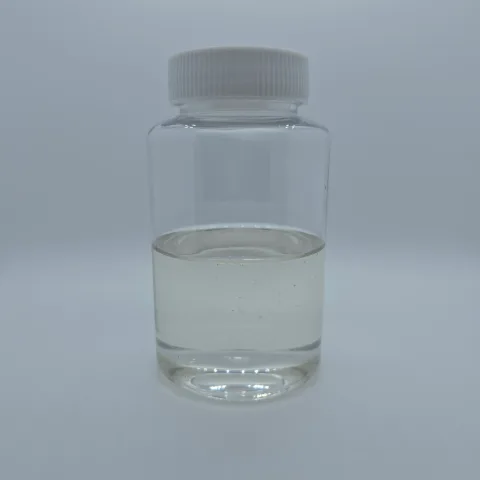
ZDDP Antiwear Additives
Zinc dialkyldithiophosphate provides antiwear and mild EP protection through thermal decomposition to zinc-phosphate and zinc-sulfide films. In grease it is used at 0.5–2% for moderate-load bearings. Critical: secondary-alkyl ZDDP can interact with lithium soap thickeners and shift drop point and penetration — primary-alkyl grades show reduced thickener interaction and are preferred where the compatibility margin is tight. Confirm with bench cooking tests before production.
View ZDDP Products →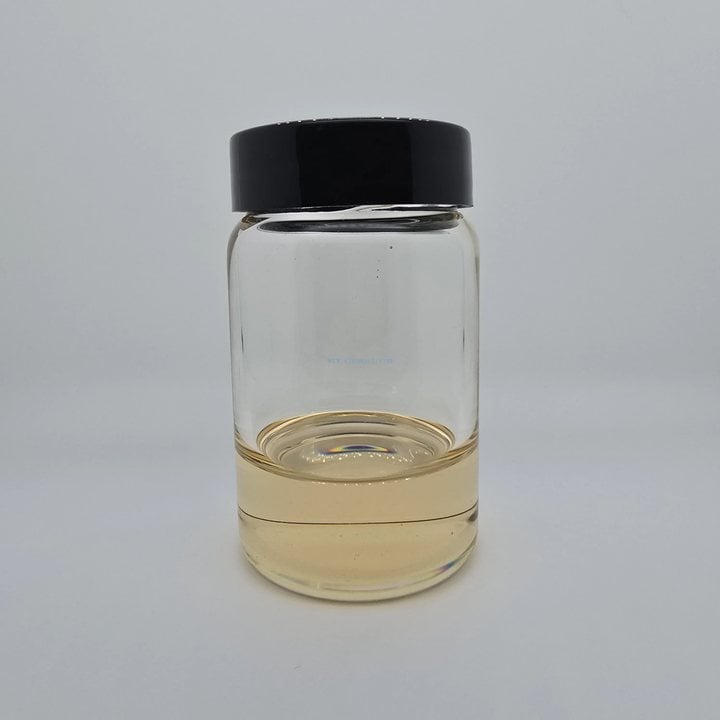
Antioxidants for Grease Longevity
Grease oxidation leads to thickening, drop-point reduction, acidity buildup and bearing corrosion over long relubrication intervals. Hindered phenolics are effective at 0.3–1.0% in the base-oil phase; aminic (diphenylamine-type) antioxidants give complementary high-temperature protection. Synergistic phenolic/aminic blends at a combined 0.5–1.5% are standard in NLGI 2 industrial bearing greases targeting 1,000–2,000 h service.
View Antioxidants →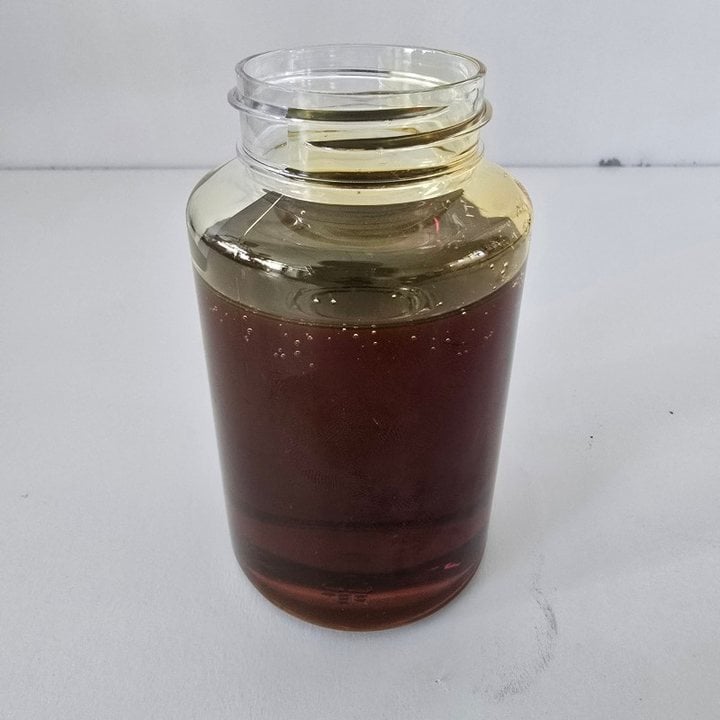
Rust Inhibitors for Wet Service
Rust inhibitors for grease must retain efficacy after water contamination — the most common field-failure mode. Amine sulfonates and calcium sulfonates give water-displacing rust protection and thickener-compatible inhibition. Key tests: ASTM D1743 (Lincoln ventmeter) and EMCOR IP 220 for water-washout resistance. Treat rates run 0.3–1.5% in the base-oil phase.
View Rust Inhibitors →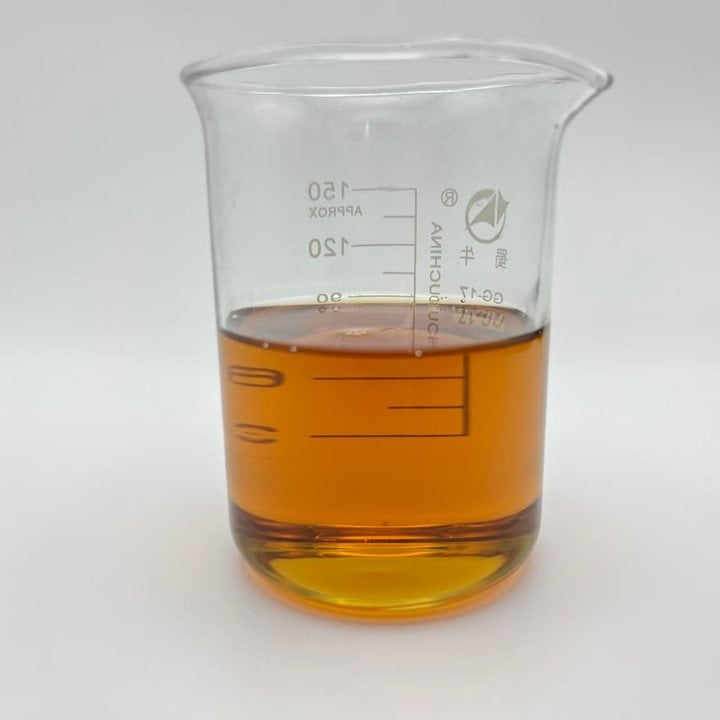
Metal Deactivators for Grease
Benzotriazole (BTA) and tolyltriazole (TTA) derivatives protect copper, brass and bronze components in grease-lubricated assemblies, used at 0.05–0.2% in the base-oil phase. They also serve as oxidation co-inhibitors by chelating catalytically active copper ions. Essential in automotive chassis, universal-joint and multipurpose greases where copper-alloy nipples or bushings contact the lubricant.
View Metal Deactivators →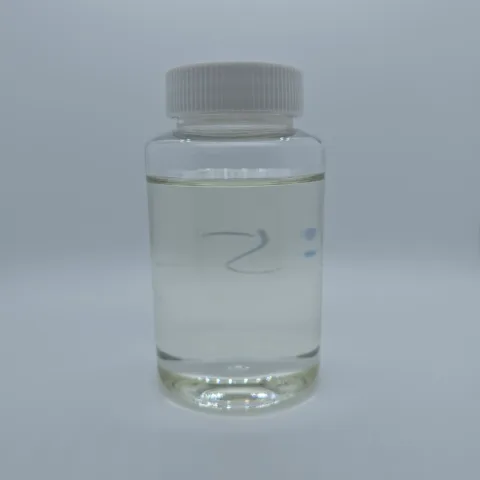
Tackiness Additives for Film Retention
Polyisobutylene (PIB) tackifiers are used in open-gear grease, wire-rope compounds and chain lubricants where grease must cling under centrifugal or gravitational force. PIB increases string length (“tack”), improves film adhesion on vertical surfaces and reduces fling-off from open gears at low speed. Treat rates of 3–10% in the finished grease are typical; OCP tackifiers add shear stability where PIB is sheared out during milling.
View Tackiness Additives →Solid lubricants (MoS₂, graphite, h-BN, PTFE) and soluble molybdenum friction modifiers are also used in heavy-duty and “moly” greases — see the FAQ below, and the full components catalog for friction modifiers. Chemistry and governing tests are public references; the confirmed value for any CheMost grade is on its TDS.
Thickener Compatibility With Common Additives
Additive behaviour depends on the thickener type. The guide below summarises known compatibility constraints — all combinations require bench validation in your specific grease before production scale-up. Drop point, worked penetration and oil bleed are the properties most affected by a thickener–additive mismatch.
Lithium & Lithium Complex Soap
- ZDDP: use primary-alkyl type; secondary-alkyl may soften structure — test at 3× service temp
- Sulfurized EP: compatible at <3% in most systems; confirm drop-point retention
- Phenolic antioxidant: fully compatible at <1%; synergistic with aminic co-antioxidant
- Rust inhibitor (sulfonate): compatible; calcium-sulfonate types also reinforce structure
- PIB tackifier: compatible; high-MW PIB may require elevated blending temperature
Calcium Sulfonate Complex
- ZDDP: generally compatible; monitor for thickener-crystal disruption
- Active-sulfur EP: the CSC thickener itself provides EP — added sulfurized EP may be redundant but is tolerated at moderate treat rates
- Rust inhibitors: often not required — CSC has inherent corrosion protection
- Aminic antioxidant: good compatibility, complementary oxidation protection
- Phosphorothioate EP: compatible; preferred for copper-safe EP in this thickener
Polyurea & Aluminum Complex
- Polyurea: ashless, excellent oxidation life — favour aminic+phenolic antioxidants and ashless EP/AW; avoid metal-reactive chemistries that disturb the non-soap gel
- Aluminum complex: good water resistance and high drop point; sulfonate rust inhibitors and PIB tack are typically compatible
- Both: validate additive-induced changes to penetration (ASTM D217) and oil bleed (ASTM D6184) against an un-additized control
- Both suit high-temperature and food-adjacent designs; NSF H1 registration, where required, is held by the finished-grease marketer
Contact our technical team with your thickener system, base-oil viscosity, NLGI grade target and service application; we’ll recommend components, starting treat rates and any known compatibility flags from our formulation data.
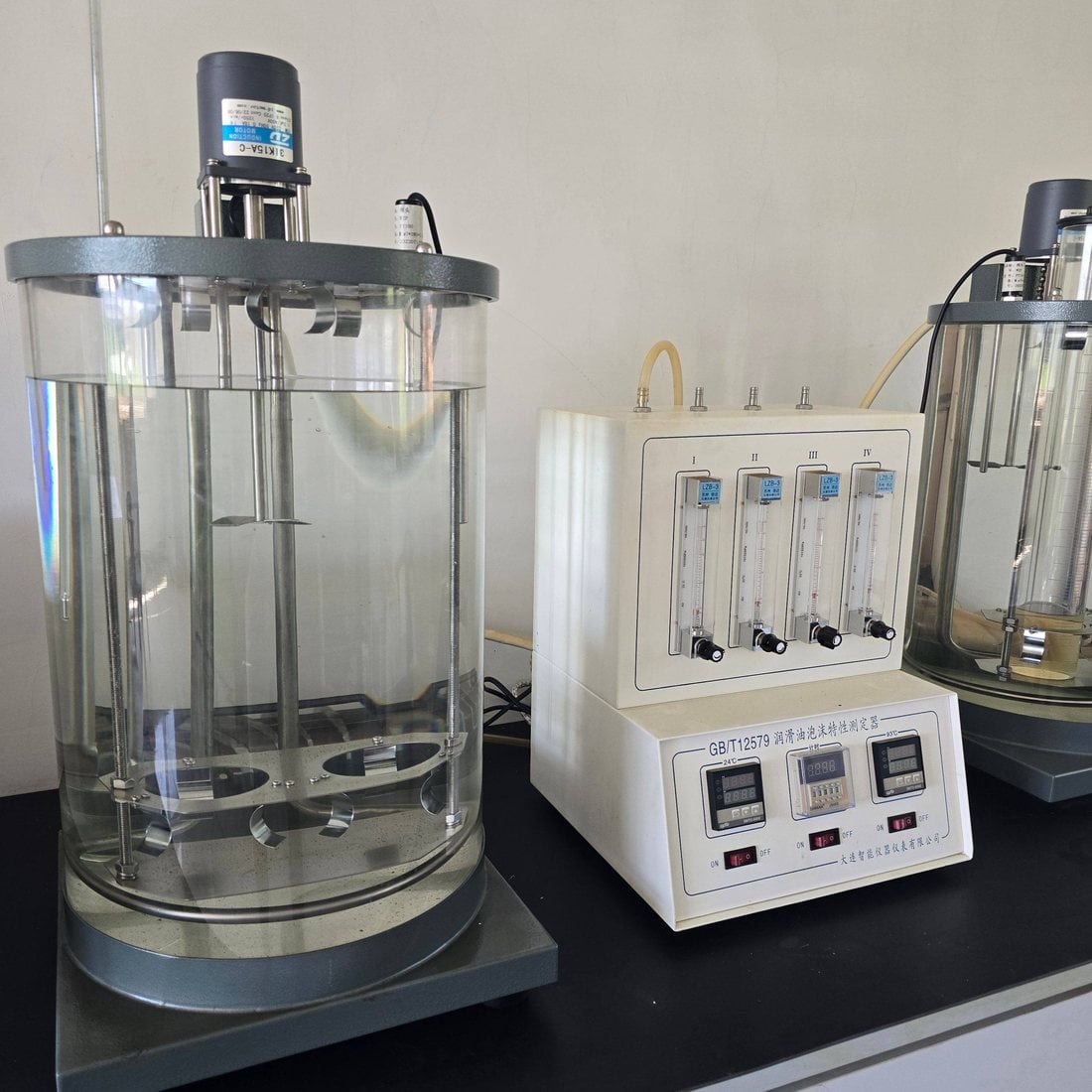
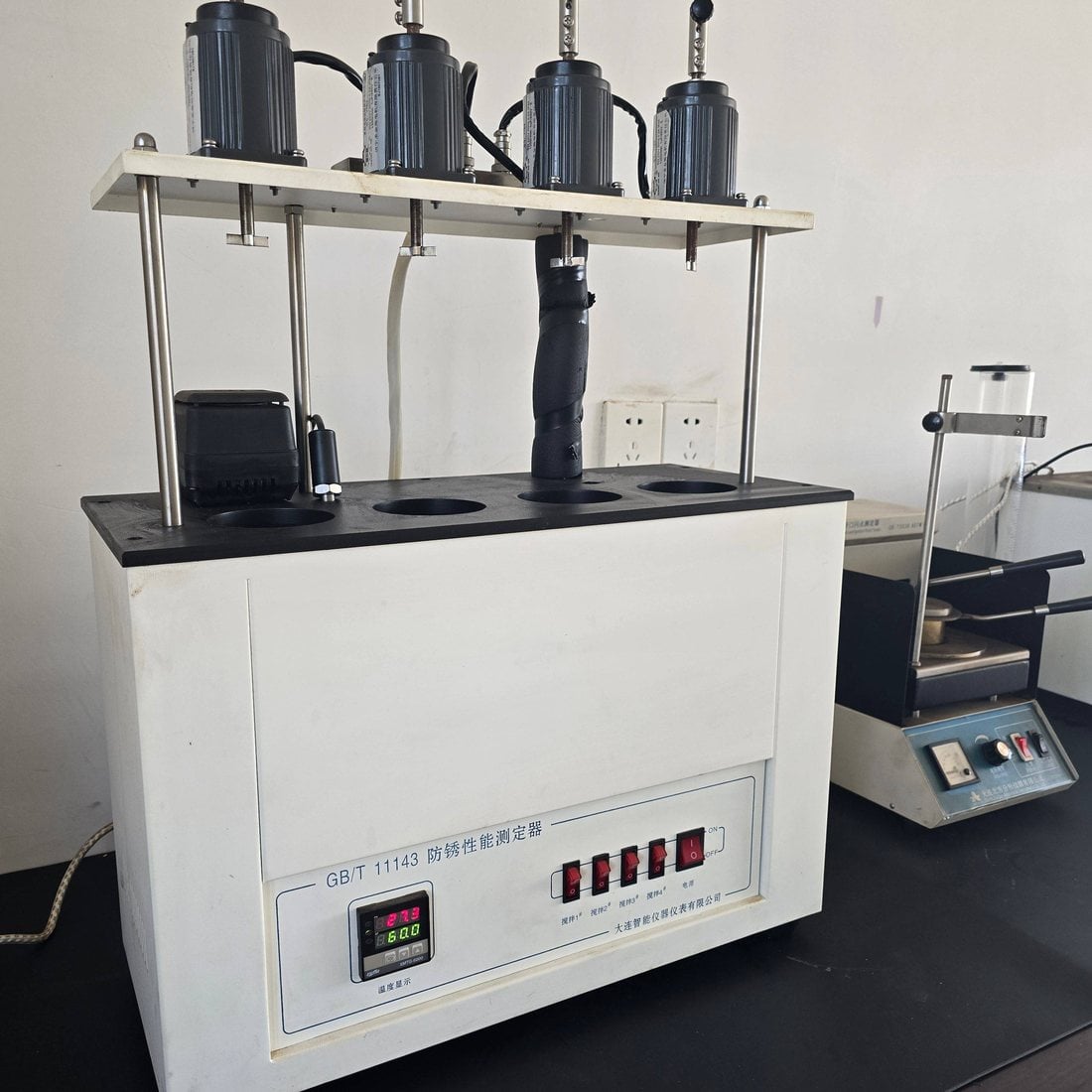
Grease Performance Tests — What Each One Measures
A grease is qualified by a battery of standardised bench tests. These are the tests a finished grease is measured against; CheMost components are selected to help reach them, and the confirmed result for a grade is on its TDS.
| Test | What it measures | Controlled by |
|---|---|---|
| Four-Ball EP — ASTM D2596 | weld point & load-wear index (EP load limit) | EP additive |
| Four-Ball Wear — ASTM D2266 | wear-scar diameter under steady load | antiwear (ZDDP) + EP |
| Drop point — ASTM D2265 / D566 | upper thermal limit of the thickener structure | thickener; additive must not depress it |
| Worked penetration — ASTM D217 | consistency / NLGI grade after working | thickener; additive interaction |
| Oxidation — ASTM D942 | oxygen-bomb pressure drop (service life) | antioxidant package |
| Water washout — ASTM D1264 | grease loss from a bearing under water spray | thickener + rust/structure additives |
| Rust — ASTM D1743 / EMCOR IP 220 | bearing corrosion after water exposure | rust inhibitor |
| Copper corrosion — ASTM D4048 | yellow-metal staining from active sulfur | metal deactivator; EP S-level |
Modern multipurpose greases are qualified to the NLGI marks GC-LB and the newer NLGI HPM (High Performance Multiuse, with optional +WR water-resistance, +HL high-load and +LT low-temperature tags); these marks are held by the finished-grease marketer, not the additive supplier.
“Grease is where additives misbehave — so we qualify the additive against the data sheet and let your grease cook decide the rest. Every batch ships with a COA against its TDS, and a third-party SGS report is available on request.”
CheMost technical team
- Batch COA against the grade TDS with every shipment
- Active sulfur, copper corrosion (D130), elemental (Zn, P, Ca, S) and viscosity on the additive concentrate
- Third-party SGS report on request; finished-grease qualification (drop point, Four-Ball, NLGI mark) is held by the grease marketer
Treat Rates in Grease — Component by Component
A finished grease is roughly 80–90% base oil, 5–20% thickener and the performance additives. Grease treat rates are set per function and must be confirmed against the finished grease, because the thickener and oil-bleed rate change the effective concentration at the contact surface:
| Component | Typical treat rate in grease | Primary role |
|---|---|---|
| Sulfurized / phosphorothioate EP | ~1–5% | load carrying, anti-scuff |
| ZDDP antiwear | ~0.5–2% | boundary antiwear, mild EP |
| Antioxidant (phenolic / aminic) | ~0.3–1.5% | oxidation / relube life |
| Rust inhibitor (sulfonate) | ~0.3–1.5% | wet-service rust protection |
| Metal deactivator (triazole) | ~0.05–0.2% | yellow-metal protection |
| PIB / OCP tackifier | ~3–10% | adhesion, fling-off resistance |
Ranges are typical industry figures; the exact treat rate for a CheMost grade is on its TDS, and the treat-rate calculator sizes a dose to your target.
Components for Your Grease Line
CheMost supplies grease additives as individual components — not finished grease and not a single drop-in grease package. Grease formulation is too thickener-specific for a universal package: the right EP, antiwear, antioxidant and rust chemistry depends on whether you are cooking lithium, lithium complex, calcium sulfonate complex, aluminum complex or polyurea, and at what NLGI grade.
The practical path is to tell us the thickener system, base-oil viscosity, NLGI grade target and the performance tests you must pass. We recommend a component set and starting treat rates, supply each as a standalone concentrate with full TDS, SDS and COA, and flag any known thickener-compatibility constraints from our formulation data. You validate in your own grease cook — the only place additive behaviour is definitive — and scale up from there. See the full component range for grade listings and treat-rate data.
Why CheMost — Real Data, Not Borrowed Approvals
We state what we can document. Grade specifications come from each product’s supplier TDS; where a value is not confirmed for a grade we mark it “on request” rather than estimate. The standards and test methods on this page are public references (NLGI, ASTM, DIN, IP) — not CheMost claims of ownership. The NLGI mark and any NSF H1 registration belong to the finished-grease marketer, not to the additive component; what CheMost provides is component chemistry selected to help your grease reach its target, backed by batch COA, optional SGS testing, formulation support and custom treat rates. Compatibility is always confirmed in your grease, not assumed from oil data.
Size the Formulation, Pull the Documents
Interactive calculators to size a dose, plus the documents and background reading behind each grade.
Grease components are drawn from CheMost’s Additive Components catalog — EP additives, ZDDP, antioxidants, rust inhibitors, metal deactivators and tackiness additives are each described on their own pages with full grade listings and treat-rate data. For the other application axes see Industrial Lubricants and Automotive Lubricants, or the full Solutions by Industry hub.
Frequently Asked Questions
Why can’t I simply use the same ZDDP treat rate in grease as in engine oil?
ZDDP treat rates in engine oil are typically 0.8–1.5% (delivering 800–1,500 ppm zinc), set by API and ACEA limits. In grease the chemistry works differently: ZDDP must partition into the base-oil phase of the grease matrix rather than dissolving in a uniform oil film, so the effective concentration at the contact surface depends on the oil-bleed rate of the grease, not just the total treat level. More critically, ZDDP — particularly secondary-alkyl grades — can interact with lithium soap thickener crystals and soften the grease, raise oil bleed or reduce drop point. Grease formulators typically use 0.5–1.5% ZDDP and validate the finished grease structure against un-additized controls. The correct approach is bench formulation trials in your grease cook, not direct transfer from oil data sheets.
What is the difference between EP 0, EP 1 and EP 2 grease?
The number is the NLGI consistency grade, not the additive level. NLGI grades run from 000 (near-fluid) to 6 (block-hard), set by worked penetration (ASTM D217): NLGI 0 is soft (355–385 dmm, for centralised systems and cold climates), NLGI 1 is medium-soft, and NLGI 2 is the most common general-purpose consistency (265–295 dmm). “EP” means the grease carries an extreme-pressure additive for load carrying, qualified by the Four-Ball EP weld point (ASTM D2596) — independent of the NLGI grade. So “EP 2” is an NLGI 2 grease with EP additive; “EP 0” is the same EP chemistry in a softer NLGI 0 grease. CheMost supplies the EP additive; the consistency grade is set by your thickener content.
What is moly grease, and do you supply molybdenum additives for grease?
“Moly grease” contains a molybdenum compound for boundary friction and EP performance under shock and slow-speed load (CV joints, fifth wheels, mining and construction pins). Two distinct chemistries are used: solid molybdenum disulfide (MoS₂) — the grey powder dispersed at 1–5% — and soluble organomolybdenum (MoDTC / MoDTP) friction modifiers. CheMost supplies soluble organomolybdenum friction modifiers, which are dosed into the oil phase and can be used in grease; see the friction-modifier range in the components catalog. Solid MoS₂, graphite, h-BN and PTFE are a separate class of dispersed solid lubricants — we can advise on their use and compatibility with your thickener, but they are formulated in as powders rather than supplied as one of our liquid concentrates.
What tests should I run to confirm EP additive compatibility in my grease?
Four tests are standard for EP qualification in grease: (1) ASTM D2596 / IP 239 Four-Ball EP — weld point and load-wear index in the finished grease; (2) FZG gear rig (DIN 51354) — load-stage performance in real gear geometry; (3) drop-point retention (ASTM D2265 / D566) — compare additized grease to an un-additized reference to confirm the additive has not degraded the thickener; (4) worked penetration (ASTM D217) after additive addition — a significant consistency change indicates thickener interaction. With calcium sulfonate complex greases the Four-Ball may show inherent EP from the thickener, so additive response is measured relative to the base CSC grease rather than mineral oil.
Can I mix greases of different thickener types, or is calcium sulfonate compatible with lithium?
Mixing greases of different thickener types in service is risky: incompatible thickeners can collapse the structure of the mixture, softening it below the consistency of either parent grease and causing it to run out of the bearing. Lithium/lithium-complex and calcium sulfonate complex are not reliably compatible — a transition should be treated as a full purge-and-repack, not a top-up, unless a compatibility test (ASTM D6185, comparing the mixture’s penetration and drop point to the parents) confirms otherwise. The same caution applies to additives: every component must be validated in the specific grease. CheMost provides the compatibility flags we know from formulation data, but the finished grease cook is always the definitive test.
Is calcium sulfonate complex grease compatible with additional EP additives?
Calcium sulfonate complex (CSC) grease has inherent EP and corrosion protection from the calcium overbasing mechanism. In many applications no additional sulfurized EP is required, and the CSC grease without added sulfur will pass FZG load stages that would need explicit EP treatment in a lithium-complex system. For very high-load duty (continuous-miner sumps, kiln pinion drives, rolling-mill bearings) additional sulfurized EP or MoS₂ solid lubricant extends load capacity beyond the thickener’s contribution. The CSC structure generally tolerates modest added sulfurized EP at <3% without degradation, but confirmation bench tests at the target treat rate are recommended before scale-up.
What documentation does CheMost provide for grease additive component orders?
Every commercial order is supported by: a TDS with chemical identification, active content, viscosity, flash point and typical treat-rate guidance; a GHS SDS for handling, storage and transport classification; and a per-batch COA confirming specification parameters. For EP additives the TDS includes available ASTM D130 (copper corrosion), active-sulfur and D2596 Four-Ball data where relevant. A Certificate of Origin is available for export shipments, and bench data for specific properties (EMCOR rust, oxidation induction) can be requested during qualification.
What is CheMost’s MOQ and lead time for grease additive components?
Standard stocked components (EP additives, antioxidants, ZDDP, rust inhibitors, tackifiers) ship within 7–14 business days of order confirmation. Minimum order for most liquid components is 200 kg (one drum); high-molecular-weight PIB grades and some specialty items may have IBC (1,000 kg) minimums due to heated-storage requirements for high-viscosity material. Trial samples of 1–5 kg for laboratory grease evaluation are available for qualified buyers at no charge. Send the product, required quantity and destination port for specific lead-time and pricing confirmation.
Tell us the thickener and the grade — we’ll name the components
Give us your thickener system, base-oil viscosity, NLGI grade target and the performance tests you must pass; we’ll recommend components and starting treat rates, flag any compatibility constraints, then send the TDS, SDS and a sample. Samples in 1 kg and 5 kg; bulk in 200 kg drums and 1000 kg IBC.
Request a Free Sample Get a QuoteAbout this hub & our data. The standards, test methods and chemistry on this page are public references (NLGI, ASTM, DIN, IP) — not CheMost measurements. Failure-mode descriptions reflect the published rationale for those standards, cited as such. Grade specifications come from each product’s supplier TDS; where a value is not confirmed for a grade, we mark it “on request” rather than estimate. CheMost is a manufacturer and sourcing partner established in 2013; the NLGI mark and any NSF H1 registration are held by the finished-grease marketer, not the additive component. Additive–thickener compatibility is always confirmed in the customer’s grease. Last reviewed June 2026 · CheMost technical team.
Explore Other Industries
CheMost serves formulators and blenders across every major lubricant and specialty-chemical sector. Open any industry to see the additives, packages, and application guidance built for it.