Thirteen categories of lubricant additive component — dispersants, detergents, ZDDP, EP additives, friction modifiers, antioxidants, VIIs and more — supplied as individual concentrates for formulators who dose their own. Full control over treat rate and performance balance; for ready-to-blend concentrates see additive packages. Factory-direct from Jinzhou, China, with per-shipment COA, TDS and SDS.
What Are Lubricant Additive Components?
Lubricant additive components are concentrated chemicals that, blended into a base oil at specific treat rates, impart performance the base oil cannot deliver alone — detergency, dispersancy, antiwear, extreme-pressure load carrying, oxidation resistance, viscosity control and corrosion inhibition. A finished lubricant is typically 5–25% additives by weight, the balance mineral or synthetic base oil.
Components give the formulator control; packages give convenience
These components fall into three functional classes by mechanism: surface-active (antiwear, EP, friction modifiers, corrosion inhibitors) that film metal interfaces under boundary conditions; bulk-phase (detergents, dispersants, antioxidants) that work within the oil volume to neutralise acids, suspend contaminants and scavenge radicals; and physical-property modifiers (VIIs, pour-point depressants, foam inhibitors) that change rheology across temperature and load. CheMost supplies each as an individual concentrate — not a pre-blend — so you set every treat rate yourself.
How Lubricant Additives Work: Three Mechanism Classes
Surface Film Formation
When the oil film thins below asperity height, surface-active additives decompose at hot contact points (200–400°C) and react with metal to form a sacrificial film. ZDDP forms an iron-phosphate glass; sulfurized EP forms iron sulfide; friction modifiers form adsorbed polar monolayers. The film shears instead of the steel — boundary lubrication.
Bulk-Phase Chemical Activity
Detergents, dispersants and antioxidants work throughout the oil volume. Overbased calcium sulfonate detergents neutralise combustion acids with a colloidal carbonate reserve (TBN). PIBSI dispersants suspend 20–50 nm soot particles with polar amine heads. Hindered phenolic antioxidants terminate free-radical oxidation chains before sludge forms.
Physical Property Modification
VIIs (OCP, PMA, PIB) are oil-soluble polymers that expand as temperature rises, counteracting base-oil thinning — enabling 5W-40 and 0W-20 multigrades. Pour-point depressants co-crystallise with wax to prevent crystal interlocking. Foam inhibitors reduce surface tension so entrained air bubbles collapse rapidly.
Browse All 13 Additive Component Categories
Each category page covers the full product range, underlying chemistry, applications and selection criteria. Navigate to the additive type you need.
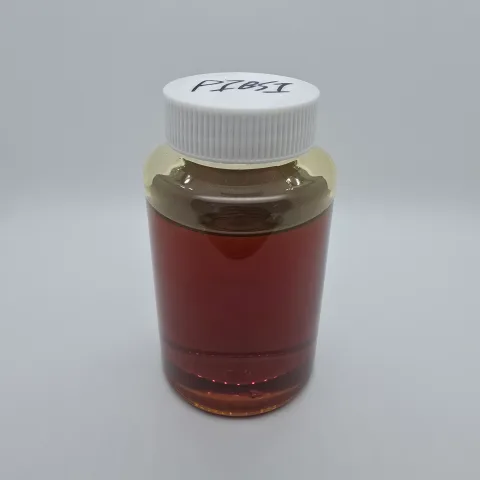
Ashless Dispersants
PIBSI succinimides and Mannich-base dispersants for soot suspension in diesel and gasoline engine oils. 6 grades, various TBN and nitrogen levels.
View Products →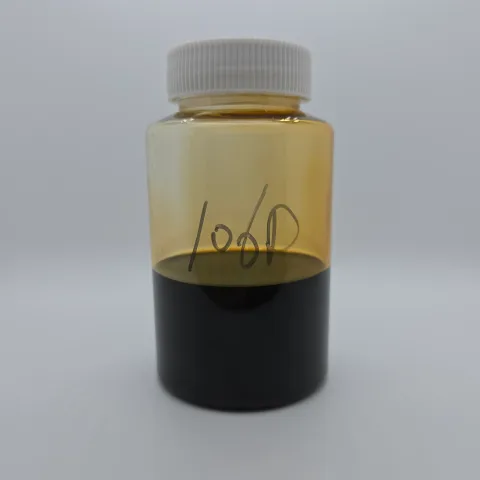
Detergents & TBN Boosters
Calcium sulfonates, phenates and salicylates with TBN 30–520 mgKOH/g. Neutralise combustion acids, clean piston lands and maintain alkaline reserve. 12 grades.
View Products →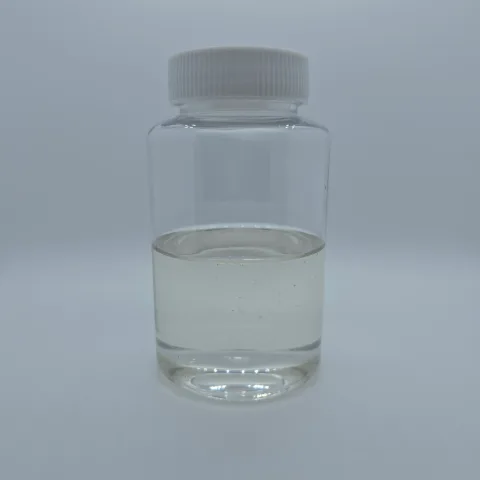
ZDDP (Antiwear Additives)
Zinc dialkyldithiophosphate T202/T203/T204 for cam, lifter and ring/liner wear protection. Dual antiwear and antioxidant function in a single molecule.
View Products →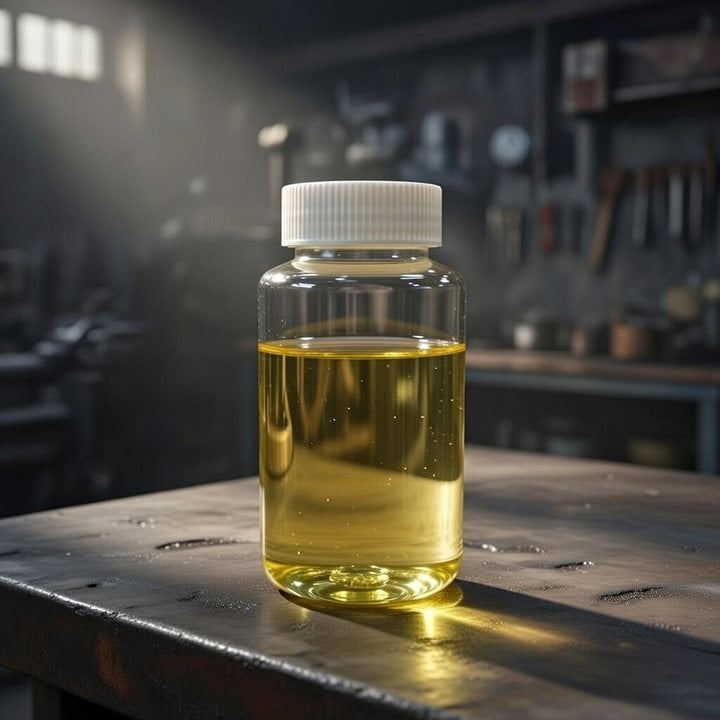
Extreme Pressure (EP) Additives
Sulfurized isobutylene, dialkyl-pentasulfide and ashless phosphorothioate for gear oil, metalworking and grease. High active-sulfur content for heavy-load protection.
View Products →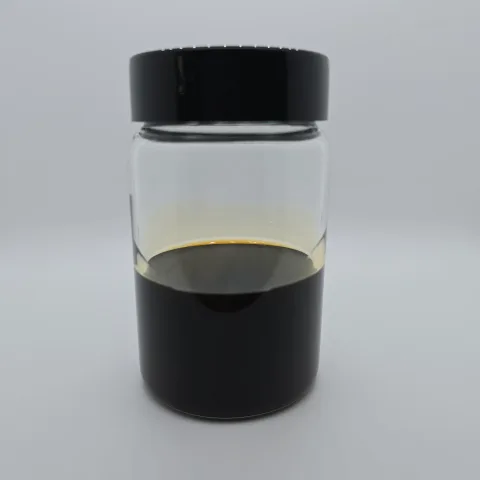
Friction Modifiers
Organic molybdenum (MoDTC), organic friction modifiers and liquid moly for fuel-economy improvement, boundary-friction reduction and gear-noise control.
View Products →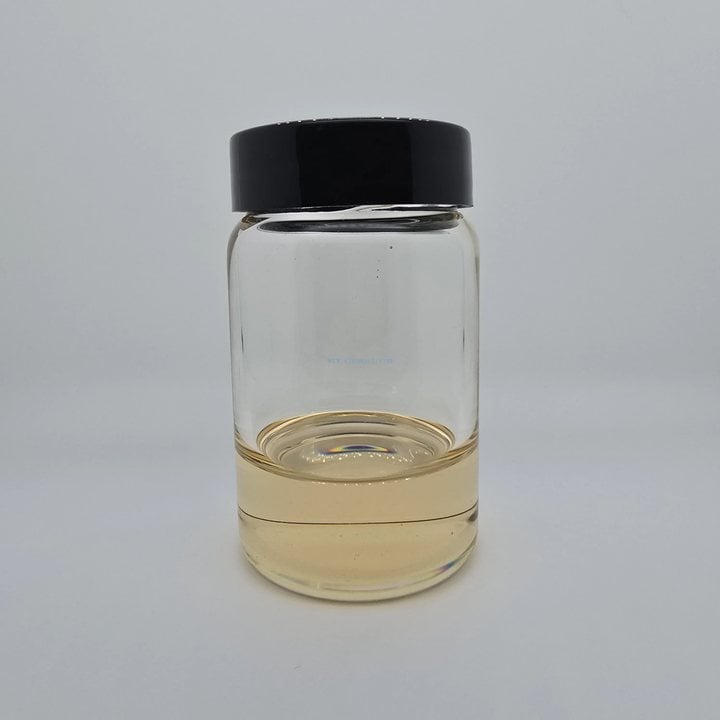
Antioxidants
Hindered phenols (BHT, DBPC), alkylated diphenylamines and combination packages for radical scavenging and hydroperoxide decomposition in engine, turbine and hydraulic oils.
View Products →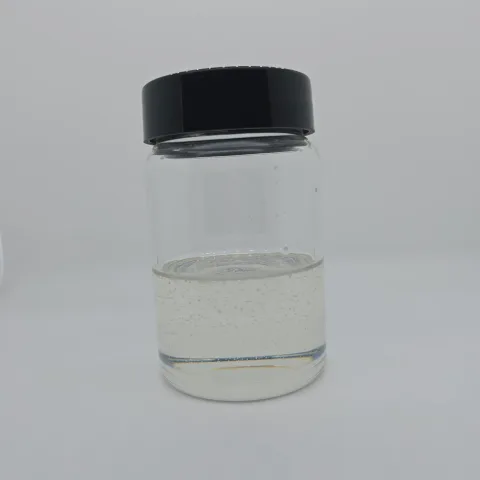
Viscosity Index Improvers
OCP, PMA and PIB polymers for multigrade formulation. Enables 5W-40, 10W-40 and 0W-20 grades. High shear-stability ratings available.
View Products →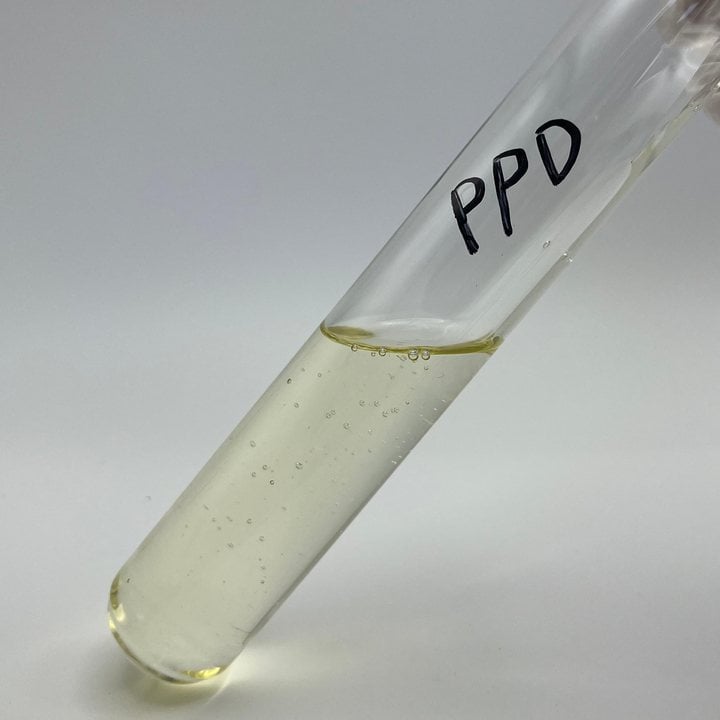
Pour Point Depressants
PMA-based and ethylene-vinyl-acetate copolymer PPDs for cold-flow performance, with pumpability down to −35°C and below. For engine, gear, hydraulic and transformer oils.
View Products →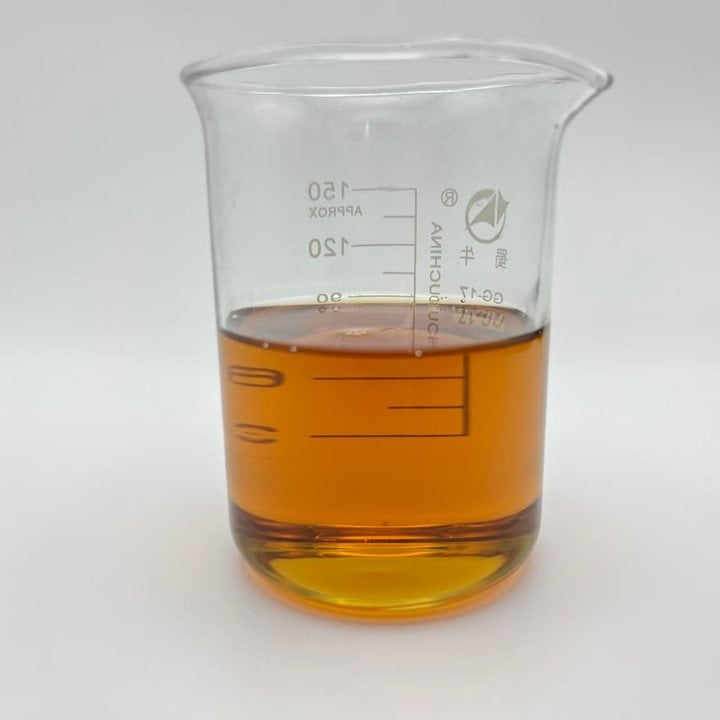
Corrosion Inhibitors & Metal Deactivators
Sulfonates, amine phosphates and imidazolines for ferrous rust prevention; benzotriazole (BTA) and thiadiazole derivatives for copper and yellow-metal deactivation.
View Products →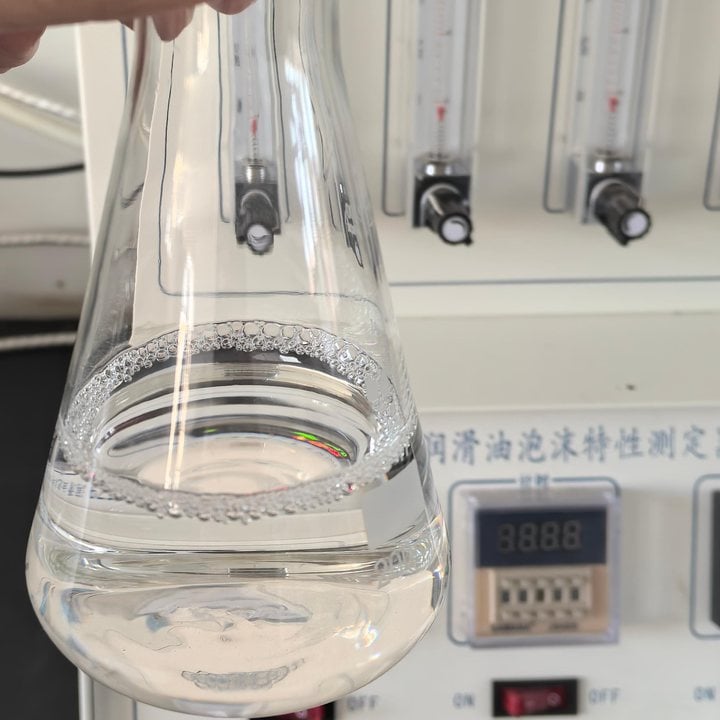
Foam Inhibitors & Defoamers
Silicone-fluid and polyacrylate defoamers for rapid air-bubble collapse — preventing pump cavitation, aeration-induced wear and sludge carry-over in engine and hydraulic oils.
View Products →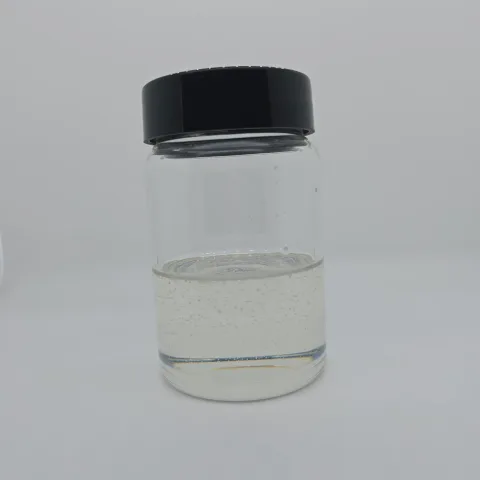
Emulsifiers & Demulsifiers
Nonionic and anionic emulsifiers for metalworking-fluid stability; polyalkoxylated demulsifiers for rapid water-oil separation in turbine, hydraulic and gear oils.
View Products →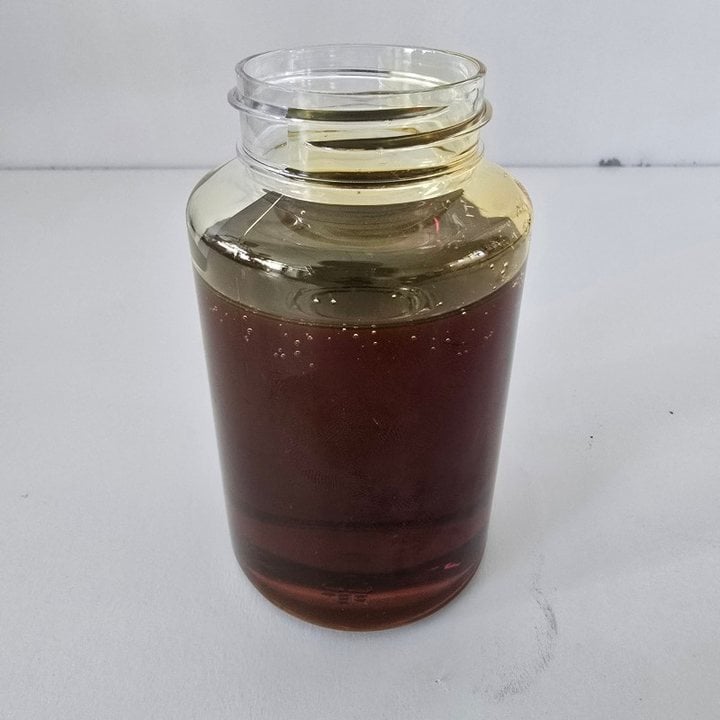
Rust Inhibitors
Calcium sulfonates, amine phosphates, carboxylic-acid derivatives and sodium sulfonates forming hydrophobic barriers on ferrous surfaces. For rust-preventive oils, cutting fluids and gear oils.
View Products →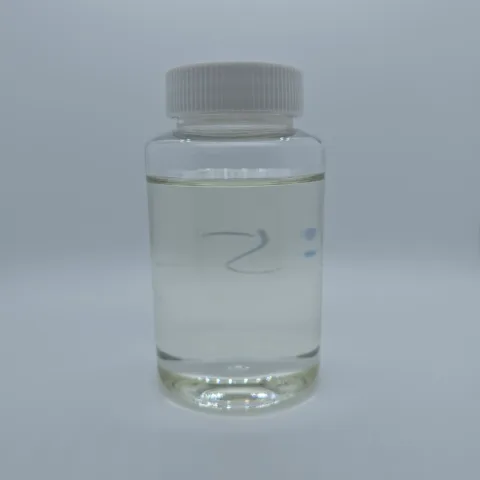
Tackiness & Adhesive Additives
High-molecular-weight PIB (MW 1300–2400) for open-gear lubrication, wire rope and chain where oil retention and resistance to fling-off are critical.
View Products →How to Select Additive Components
Most formulators approach component selection through one of three paths:
- Building a new formulation from scratch. Start with base-oil type (Group I, II, III, PAO, ester) — additive solubility varies significantly between groups. Then layer in components by functional priority: detergent for acid control → dispersant for soot (diesel) → ZDDP for antiwear → antioxidant for oil life → auxiliaries (PPD, defoamer) last. CheMost provides base-oil-specific solubility guidance on request.
- Upgrading an existing formulation to a higher API / ACEA tier. Moving from CF-4 to CK-4, for example, needs reduced sulfated ash (lower detergent TBN), enhanced dispersancy and oxidation-resistant ZDDP optimised for low phosphorus. Send your current formulation for a gap analysis — we identify which components need adjustment and by how much.
- Solving a specific performance failure. Each failure maps to a component: soot-thickening → upgrade dispersant; hypoid-gear pitting → raise EP sulfur; rust on stored parts → add corrosion inhibitor; viscosity loss in service → check VII shear-stability class. Our Jinzhou lab runs ASTM/API bench tests on your blend to confirm the fix before production.
Why CheMost — Components With Documented Data
We supply each component as an individual concentrate with documented data: grade specifications from the supplier TDS, a per-batch COA, and a GHS SDS; where a value is not confirmed for a grade we mark it “on request” rather than estimate. The chemistry and test methods referenced are public standards (ASTM, API, ACEA) — not CheMost claims of ownership. What we add is base-oil-specific treat-rate guidance, optional SGS testing and Jinzhou-lab bench-test support on your finished blend, so you reach your target with the minimum effective dose of each component.
Additive components from this catalog are used in Automotive Lubricant and Industrial Lubricant formulations, and in Grease Additive systems. For ready-to-blend concentrates see Lubricant Additive Packages; see each industry hub for application-specific selection guidance.
Frequently Asked Questions
What are the three basic roles of lubricant additives?
Every additive serves one of three functions: enhance existing base-oil properties (antioxidants, corrosion inhibitors, anti-foam improve what the base oil already does); suppress undesirable properties (pour-point depressants and VI improvers counteract the base oil’s tendency to thicken in cold and thin in heat); or impart entirely new properties the base oil lacks (EP additives create sacrificial films under extreme load; detergents neutralise combustion acids; dispersants suspend soot). Understanding which role each additive plays is the first step in intelligent formulation.
What is the difference between an additive component and an additive package?
A component is a single-function concentrate — pure PIBSI dispersant, pure ZDDP antiwear, pure calcium sulfonate detergent. A package is a pre-formulated blend of multiple components designed to meet a specific spec (API CK-4, GL-5, etc.). Components give full control over individual treat rates; packages simplify blending by reducing raw materials to manage. CheMost supplies both — components on this page, packages at Lubricant Additive Packages.
How do lubricant additives get depleted in service?
Additives deplete by three mechanisms. Decomposition — heat and shear break down molecules; ZDDP decomposes as it forms its phosphate film, antioxidants are consumed scavenging radicals. Adsorption — polar molecules attach to metal surfaces, wear particles and water droplets and leave the oil when filtered out. Physical separation — settling and filtration remove additive along with contaminants. Past effective concentration, viscosity climbs, sludge forms, acids attack bearings and wear accelerates. Oil analysis (FTIR, TBN, elemental) is the only way to confirm when additives are running low.
What happens if you use too much additive?
More is not always better. Increasing one additive can degrade another — a high antiwear dose can reduce corrosion-inhibitor effectiveness because both compete for the same metal sites. Many additives have a performance ceiling beyond which extra treat brings no benefit, and excess can settle out if the base oil’s solubility limit is exceeded, leaving sludge. The formulator’s job is the minimum effective dose for each component, not maximising every additive — and CheMost provides base-oil-specific treat-rate ranges for every product to prevent over-treatment.
Tell us the spec and base oil — we’ll name the components
CheMost ships component samples in 1 kg and 5 kg. Submit your target specification, base-oil type and performance tier; our technical team recommends components and treat rates and runs bench-test data on your blend. Bulk in 200 kg drums and 1000 kg IBC.
Request a Sample Get a QuoteAbout this catalog & our data. The chemistry, mechanisms and test methods on this page are public references (ASTM, API, ACEA) — not CheMost measurements. Grade specifications come from each product’s supplier TDS; where a value is not confirmed for a grade, we mark it “on request” rather than estimate. CheMost is a manufacturer and sourcing partner established in 2013, supplying additive components as individual concentrates with per-batch COA, TDS and SDS. Last reviewed June 2026 · CheMost technical team.
Explore Other Product Lines
From single-function additives to ready-to-blend packages and specialty chemistries — explore the full CheMost range.