Lubricant Additive Components
CheMost supplies sulfonate rust inhibitor additives for rust-preventive oils, slushing and mill oils, greases and industrial lubricants — the oil-soluble barium and calcium sulfonates that shield steel from rust and water.
These are rust inhibitor components for lubricant and rust-preventive-fluid formulators — not the consumer rust-spray cans, undercoatings or radiator additives sold for DIY use. The range covers the workhorse oil-soluble sulfonates — petroleum and synthetic barium grades, neutral and overbased, plus a barium-free calcium option — together with sodium petroleum sulfonate for water-extendable metalworking fluids and benzotriazole for copper protection. Choose by source, alkalinity and metal below, then open a product page for documentation.
Browse CheMost Rust Inhibitors
Start with the product family that best matches your formulation target. Each product page goes deeper into the exact grade, properties, and documentation.
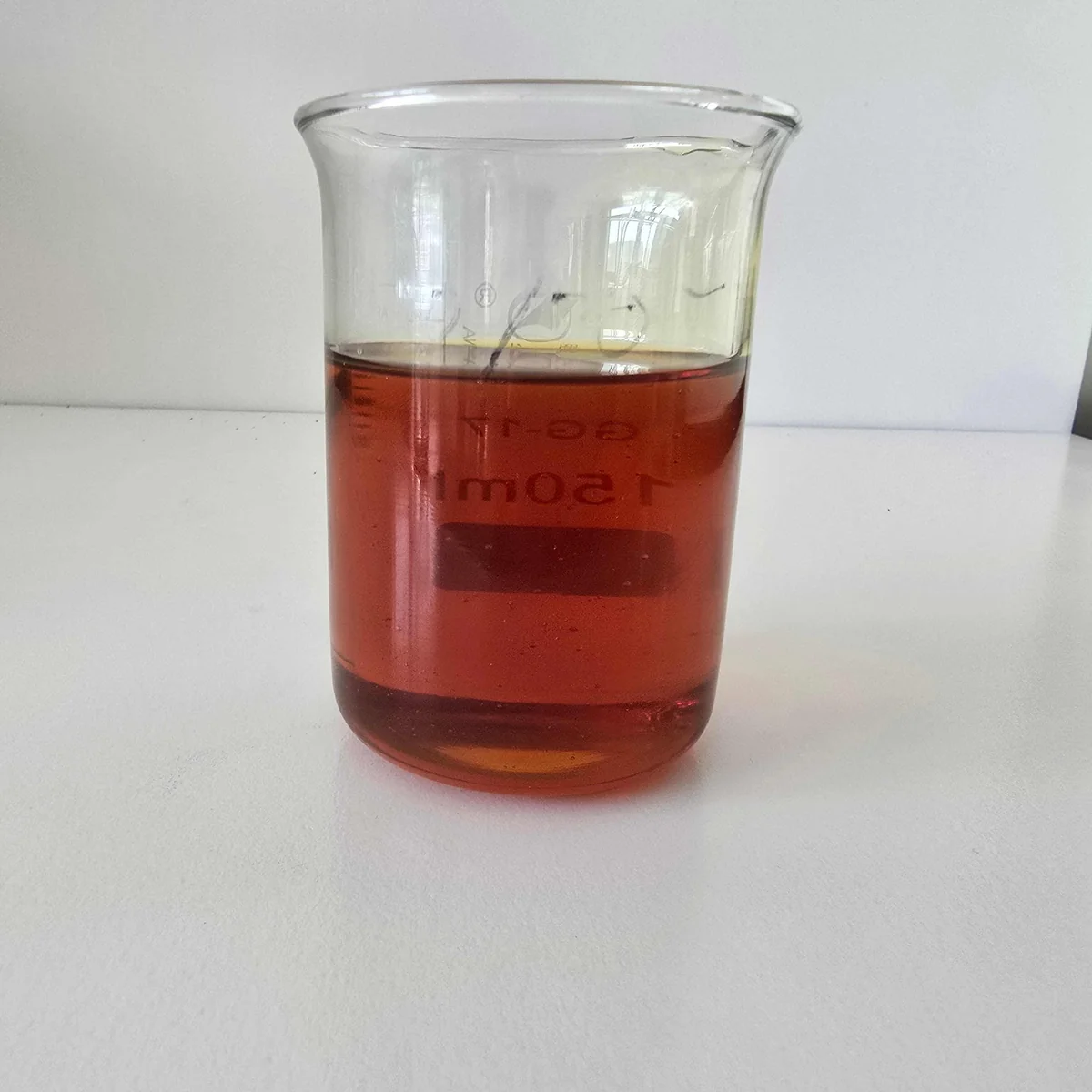
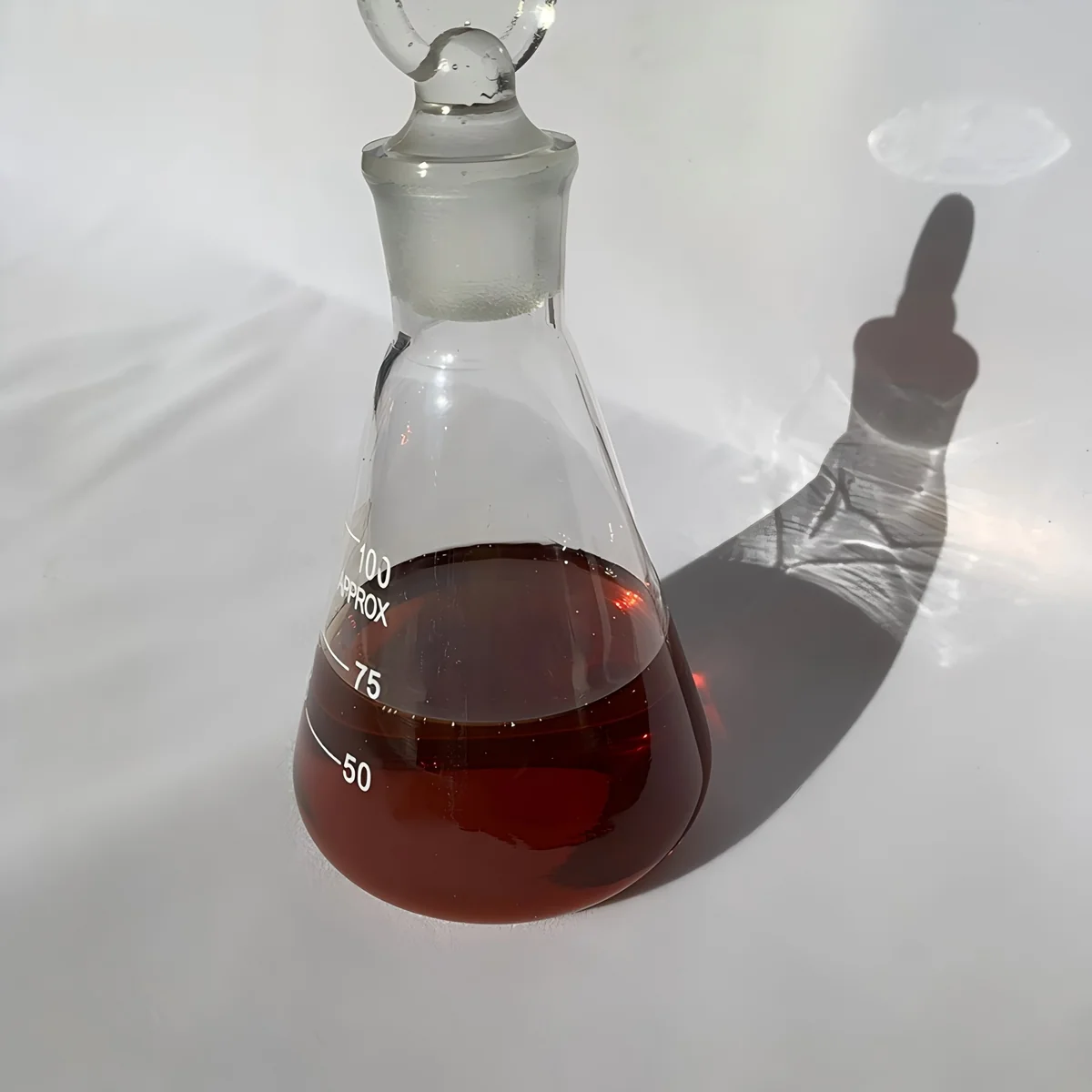
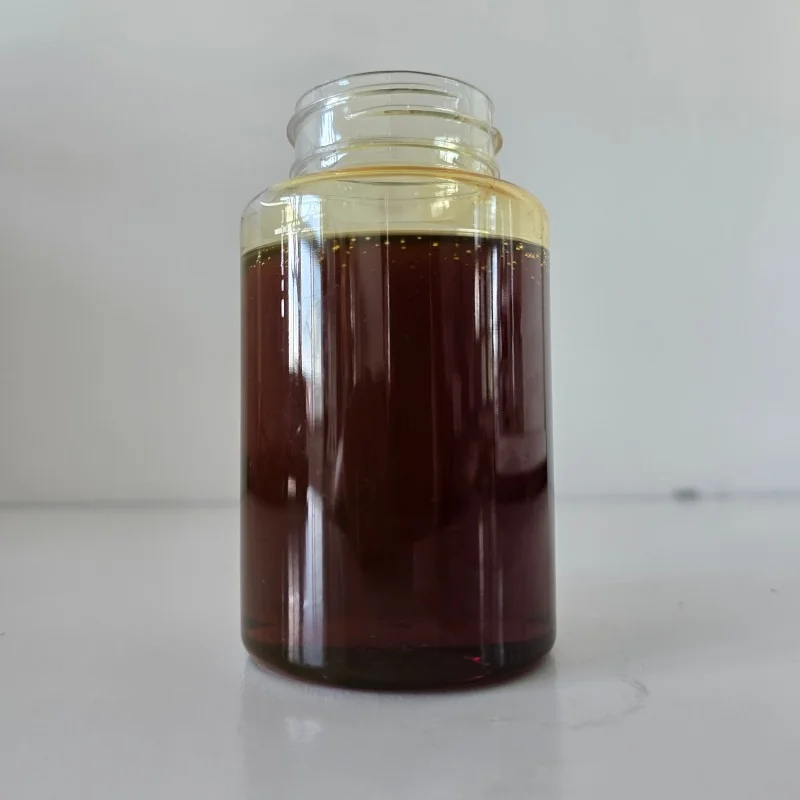
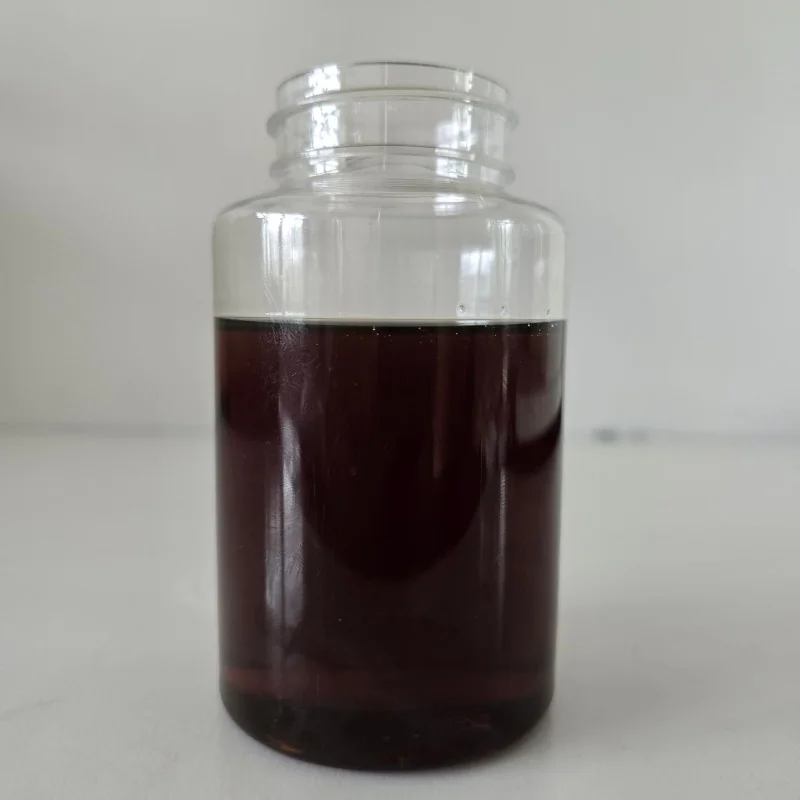
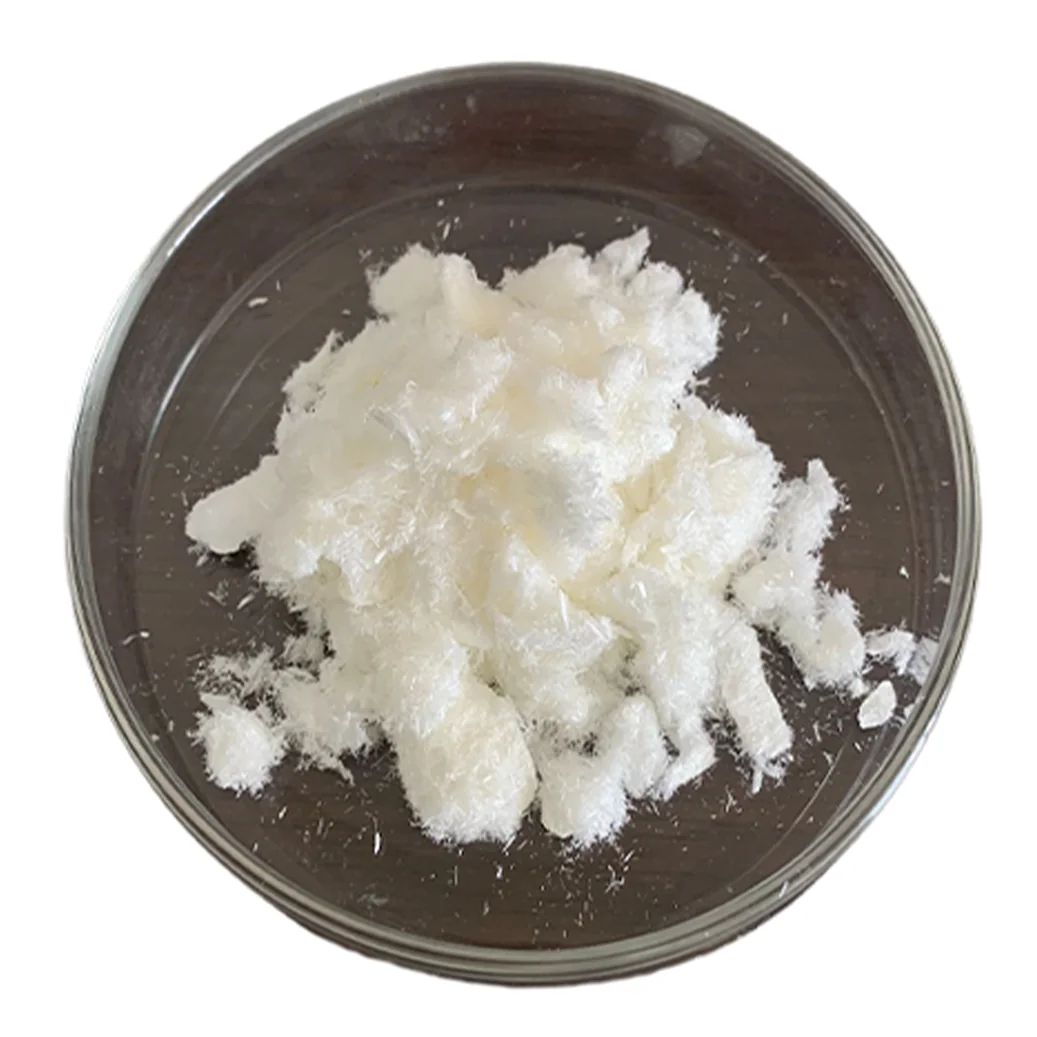
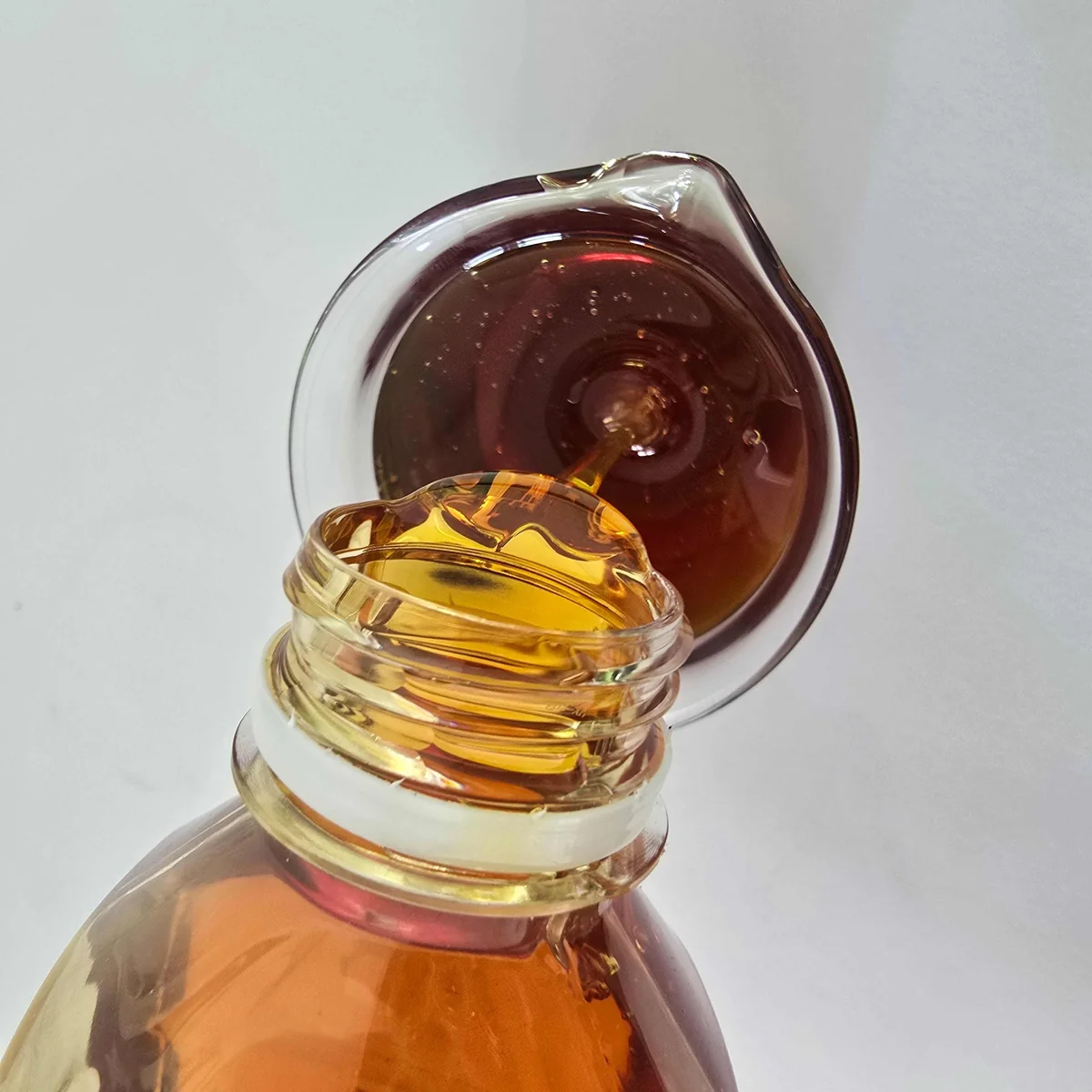
How a Sulfonate Rust Inhibitor Works
Rust is an electrochemical reaction that needs two things at the steel surface: an oxidising agent (oxygen or acid) and an electrolyte (water). A sulfonate rust inhibitor stops it by adsorbing as a tightly packed monolayer — the polar sulfonate head anchored to the metal, the oily tail pointing outward — forming a water-repelling barrier that keeps oxygen and water off the surface. Sulfonates are the most widely used rust-preventive chemistry in lubricants precisely because they form this durable, oil-compatible film.
Overbased grades add a second line of defence: they carry a colloidal reserve of metal carbonate that neutralises acidic corrosion by-products (and even scavenges HCl from chlorinated-paraffin systems), while also contributing oxidation stability. Neutral grades, by contrast, are valued for clean demulsibility and broad compatibility. Both shed water; the choice depends on whether you also need an alkalinity reserve.
The Selection Axes
Three decisions define a sulfonate rust inhibitor — and they are what the brand spec-sheets leave you to work out alone:
- Source — petroleum (natural) vs synthetic. Petroleum sulfonates are the economical workhorse; synthetic dinonylnaphthalene sulfonates (DNNS) give more consistent, often higher performance and are effective at low concentration.
- Neutral vs overbased. Overbased grades bring an alkalinity reserve (acid neutralisation, oxidation stability); neutral grades favour demulsibility and compatibility. Many rust-preventive oils blend the two.
- Metal — barium, calcium (and the barium-free question). Rust-preventive effectiveness of sulfonates generally runs Na < Mg < Ca < Ba, so barium has long been the slushing-oil standard. But because water-soluble barium compounds face tightening heavy-metal and environmental scrutiny, a barium-free calcium grade is the choice where regulatory or eco requirements rule barium out.
(This range also includes the water-tolerant sodium petroleum sulfonate for soluble-oil metalworking fluids and benzotriazole for copper/yellow-metal protection — see the cards below. Broader metal-deactivator chemistries sit in our corrosion inhibitors & metal deactivators range.)
The CheMost Range — How to Choose
Start with the metal (barium for maximum protection, or barium-free calcium), then pick source and alkalinity.
Barium sulfonates — maximum rust protection
Barium Petroleum Sulfonate (B50)
Type: Natural (petroleum) barium sulfonate.
Best for: The economical workhorse for rust-preventive oils, slushing and mill oils.
Overbased Barium Dinonylnaphthalenesulfonate (B1S)
Type: Overbased synthetic barium DNNS, TBN 45.
Best for: Rust protection plus an alkalinity reserve — acid neutralisation and oxidation stability.
Neutral Barium Dinonylnaphthalenesulfonate (B1SA)
Type: Neutral synthetic barium DNNS.
Best for: Strong rust protection with excellent demulsibility and broad additive/base-stock compatibility — EP-safe.
Barium-free — the eco/regulatory option
Calcium Dinonylnaphthalenesulfonate (Barium-Free)
Type: Calcium DNNS, barium-free.
Best for: Rust protection where barium must be avoided for regulatory or environmental reasons — a heavy-metal-free alternative.
Water-tolerant & copper protection
Sodium Petroleum Sulfonate (N50E · N50 · N50S)
Type: Sodium petroleum sulfonate — three molecular-weight grades.
Best for: Water-extendable rust protection and emulsification in soluble and semi-synthetic metalworking fluids, where the monovalent sodium cation keeps the emulsion stable.
Benzotriazole (BTA)
Type: Benzotriazole metal deactivator.
Best for: Passivating copper and yellow metals and suppressing copper-catalysed oxidation, alongside the ferrous-metal sulfonates.
Treat Rate & Testing
Sulfonate rust inhibitors are used across a wide concentration range — light dosing for in-service rust protection in an industrial oil, up to high treat levels for severe rust-preventive and slushing applications. Two points guide use:
- Match level to severity and substrate. Long-term outdoor storage needs far more protection than a short indoor interval; overbased and neutral grades are often combined to balance acid reserve against demulsibility.
- Validate by standard test. Rust performance is read with ASTM D665 (turbine-oil rust, steel rod in water), ASTM D1748 (humidity cabinet) and salt-spray methods such as ASTM B117, with severity rising from D1748 to salt spray.
The chemistry rankings, mechanisms and test methods above are industry and textbook references. The right grade, combination and treat rate depend on your base oil, substrate and storage/service conditions — CheMost can advise on selection and a starting point on request.
Common Applications
- Rust-preventive, slushing & mill oils: temporary corrosion protection of steel during storage and transport — the classic high-treat barium sulfonate use.
- Turbine, hydraulic & compressor oils: in-service rust protection with good demulsibility so water sheds and drains.
- Greases: rust and corrosion protection of bearings, including under wet conditions.
- Engine & circulating oils: rust protection plus acid neutralisation from overbased grades.
- Metalworking fluids: the sodium petroleum sulfonate emulsifies and protects soluble and semi-synthetic water-based fluids, while the barium/calcium grades give oil-soluble, non-emulsifying rust protection in straight oils.
Need help choosing a rust inhibitor?
Tell us your base oil, the substrate and storage or service conditions, whether you need an alkalinity reserve or clean demulsibility, and whether barium is acceptable. We will point you to the right barium or barium-free sulfonate — or combination — and share the relevant technical documents.
Request a Sample Get a QuoteRust inhibitors are specified across Industrial Lubricant, Metalworking and Automotive Lubricant formulations, alongside corrosion inhibitors & metal deactivators, overbased detergents and antioxidants. For deeper background see our notes on turbine-oil rust protection (ASTM D665), corrosion inhibitors for produced-water systems and EP chemistry and HCl scavenging in metalworking.
Quick Reference
What is a rust inhibitor additive?
It is an oil-soluble additive — most commonly a metal sulfonate — that protects steel from rust by forming a tightly packed, water-repelling film on the surface. In lubricants and rust-preventive oils it keeps oxygen and water off the metal during storage, transport and service. These are formulator additive components, not the consumer rust sprays or coatings sold for DIY use.
Barium or calcium — which sulfonate should I use?
Rust-preventive effectiveness of sulfonates generally runs Na < Mg < Ca < Ba, so barium gives the strongest protection and has long been the slushing-oil standard. However, water-soluble barium faces tightening heavy-metal and environmental scrutiny, so a barium-free calcium dinonylnaphthalene sulfonate is the right choice where regulations or eco targets rule barium out. CheMost supplies both.
What does “overbased” mean, and do I need it?
An overbased sulfonate carries a colloidal reserve of metal carbonate that neutralises acidic corrosion by-products (and scavenges HCl from chlorinated-paraffin systems) and adds oxidation stability, on top of the base rust protection. A neutral sulfonate has no alkalinity reserve but offers cleaner demulsibility and broad compatibility. Choose overbased when you need acid neutralisation; neutral when water-shedding and compatibility lead. Many oils use both.
Petroleum or synthetic (DNNS) sulfonate?
Petroleum (natural) barium sulfonate is the economical workhorse for rust-preventive oils. Synthetic dinonylnaphthalene sulfonates (DNNS) offer more consistent, often higher performance and work at low concentration, which can offset their higher cost. The best choice depends on your performance target and budget.
How is rust protection measured, and how much do I add?
Rust performance is validated with standard tests — ASTM D665 (turbine-oil rust), ASTM D1748 (humidity cabinet) and salt-spray methods such as ASTM B117. Treat rate spans a wide range: light for in-service protection, high for severe rust-preventive and slushing oils. The right level depends on the substrate and storage/service conditions; our team can suggest a starting point.
How is this different from your corrosion inhibitors & metal deactivators?
This range covers the full sulfonate rust-inhibitor family — barium and calcium sulfonates and DNNS for rust-preventive and lubricating oils, the sodium petroleum sulfonate for water-extendable metalworking fluids, and benzotriazole for copper/yellow-metal protection. Our corrosion inhibitors & metal deactivators range covers complementary metal-deactivator chemistries such as thiadiazole. Use this page for sulfonate rust protection and copper passivation; the other for broader metal-deactivator options.
Explore Other Additive Components
Every CheMost additive component, at a glance. Build a complete formulation — open any family to see its full product range, grades, and treat rates.