Oilfield chemistry changes at every stage — bit to separator to injection front. CheMost supplies the part that overlaps its lubricant range: EP and lubricity additives for drilling fluids, corrosion inhibitors for production systems, demulsifiers for crude-water separation and rust inhibitors for infrastructure. Scale inhibitors, H₂S scavengers and full production-chemical programs are specialist domains — covered here as background. Factory-direct from Jinzhou, China.
Four Chemistry Challenges Across the Oilfield Value Chain
Oilfield chemical requirements change at every stage of production. The bit meets extreme pressure and temperature at the cutting face; the drill string needs lubricity to cut torque and drag; the casing must resist H₂S and CO₂ corrosion; the separator must resolve the crude–water emulsion quickly; and the injection system must keep scale from blocking the reservoir.
The lubricant-overlapping chemistry — confirmed in the field fluid
Each stage needs a different chemistry class, often at very low treat rates in demanding fluids. CheMost supplies the chemistries that overlap its lubricant range — EP / lubricity, corrosion inhibition, demulsification and rust protection. Compatibility with the base fluid, wellbore temperature, salinity and co-additives must always be confirmed in the actual field fluid, never a model lab system. Scale inhibition, H₂S scavenging and the full produced-water program are specialist domains; we describe them for context and focus on what we can document and supply.
Drilling Lubricity & EP
EP and boundary-lubrication additives cut drill-string torque and drag and prevent differential sticking. In oil-based muds, sulfurized EP contributes bit and PDC-cutter lubricity under extreme contact.
Corrosion & H₂S Control
H₂S and CO₂ dissolve in produced water to form corrosive acids. Filming inhibitors protect steel tubulars, flowlines and separators; metal deactivators protect copper alloys in surface equipment.
Scale Inhibition
When incompatible waters mix, calcium carbonate, barium or strontium sulfate precipitate and plug perforations and near-wellbore formation. Scale inhibitors are run as continuous injection or squeeze — a specialist domain, described here for context.
Demulsification
Wellhead crude arrives as an oil-water emulsion stabilised by asphaltenes and naphthenic acids. Demulsifiers break it at the separator to meet the BS&W (basic sediment & water) spec for pipeline-quality crude.
What an Underbuilt Oilfield Fluid Actually Costs
Oilfield failures are measured in lost days and lost wells — a stuck drill string, a corroded flowline, crude that won’t meet pipeline spec. The additive is where each is controlled, often at ppm in a hostile fluid.
Tell us the mud system or the crude and produced water, with downhole / separator temperature, and we’ll recommend chemistry and a bottle-test or lubricity screening.
Chemical Requirements by Oilfield Process Stage
Chemistry differs significantly between drilling, production and injection. Start from the process stage and the fluid system.
| Process stage | Fluid system | What dominates the chemistry | CheMost role |
|---|---|---|---|
| Water-based drilling (WBM) | oil-free / low-oil mud | water-dispersible lubricity + shale inhibition + corrosion | EP (emulsified) |
| Oil-based drilling (OBM/SBM) | invert emulsion, oil-continuous | oil-soluble EP / lubricity + emulsion stability | EP / lubricity |
| Production & produced water | crude + produced water | demulsifier (BS&W) + corrosion (H₂S/CO₂) + rust | demulsifiers · corrosion |
| Water injection | injection water | scale + corrosion + oxygen scavenging | corrosion (scale = specialist) |
Scale inhibitors, H₂S and oxygen scavengers are application-specific products selected from a formation-water analysis by specialist production-chemical houses; CheMost supplies the EP, corrosion, demulsifier and rust chemistry shown.
CheMost Components for Oilfield Applications
Four component families cover CheMost’s oilfield supply, each addressing a distinct function in drilling, production or surface operations. Component pages give grades, treat rates and specification data; the oilfield chemicals overview covers the supported scope.
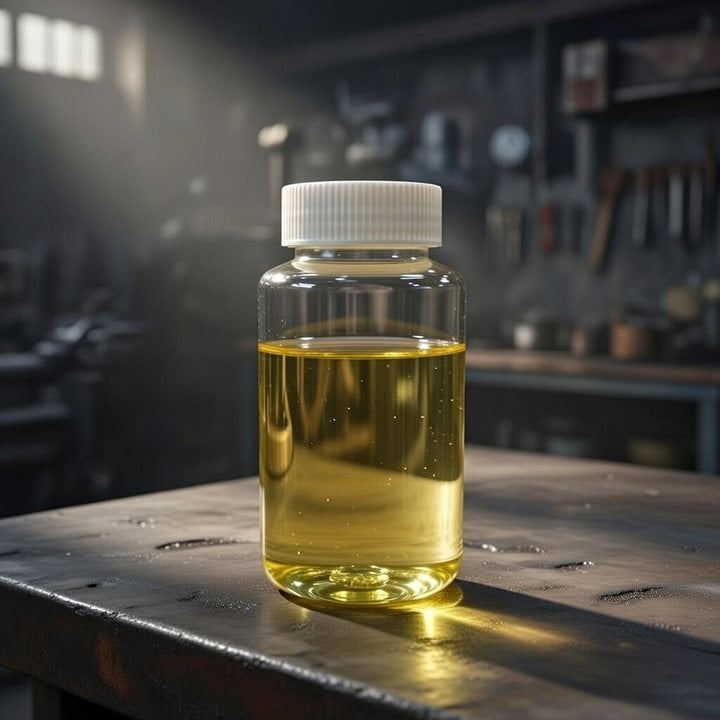
EP Additives for Drilling Lubricity
Sulfurized isobutylene and dialkyl-pentasulfide contribute boundary lubrication in oil-based muds at 0.5–2%. In invert emulsion (OBM/SBM) they cut the drill-string / wellbore friction coefficient, reducing torque, drag and differential-sticking risk. Controlled-corrosivity grades (ASTM D130 1a) suit brass surface connections; ashless phosphorothioate (TPPT) is the low-sulfur / chlorine-free option for sensitive offshore work.
- High active-S sulfurized EP — severe directional / ERD drilling
- Copper-safe EP (ASTM D130 1a) — mixed-metal surface kit
- Ashless phosphorothioate — low-sulfur offshore
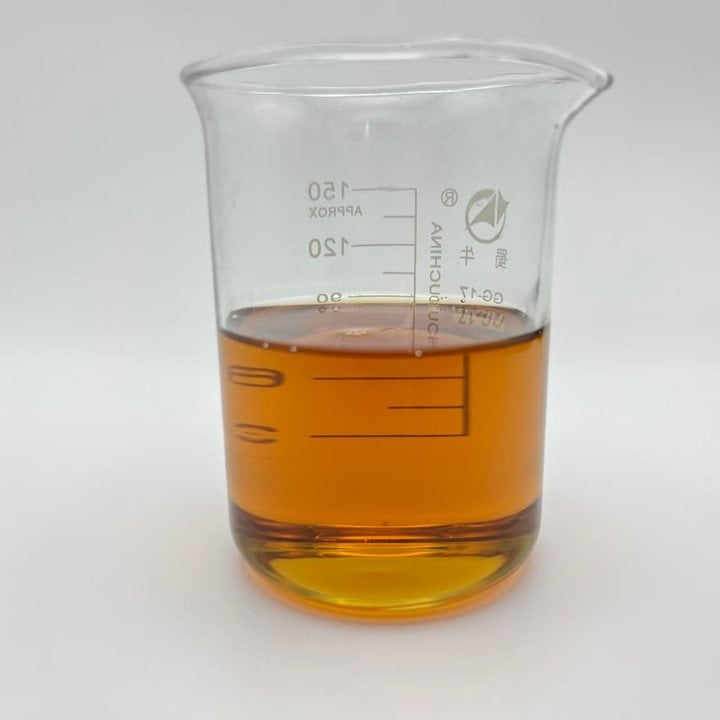
Corrosion Inhibitors for Production Systems
Benzotriazole (BTA) and tolyltriazole (TTA) derivatives protect copper and yellow-metal components in surface production equipment — heat exchangers, control valves, instrumentation tubing and pump internals — at 5–50 ppm. In H₂S environments the same chemistry acts as a metal deactivator, preventing catalytic sulfide-corrosion acceleration on copper-containing alloys.
View Corrosion Inhibitors →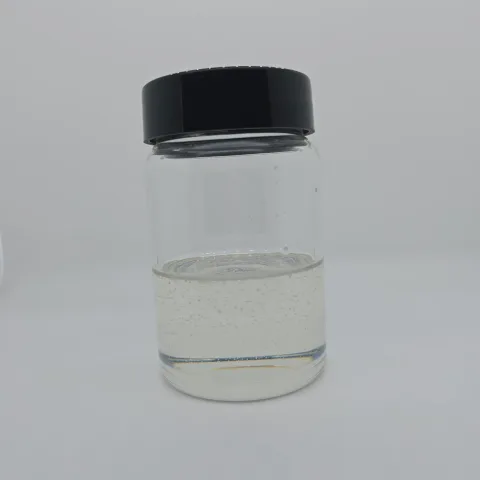
Demulsifiers for Crude-Water Separation
Demulsifiers adsorb at the oil-water interface and displace the natural asphaltene / resin stabilisers that hold a crude emulsion together; the phases then coalesce and separate by gravity in the separator or heater-treater. Selection depends on crude type, water salinity, separation temperature and BS&W target — and is crude-specific. CheMost demulsifiers can be evaluated against your crude sample to confirm bottle-test response before field deployment.
View Demulsifiers →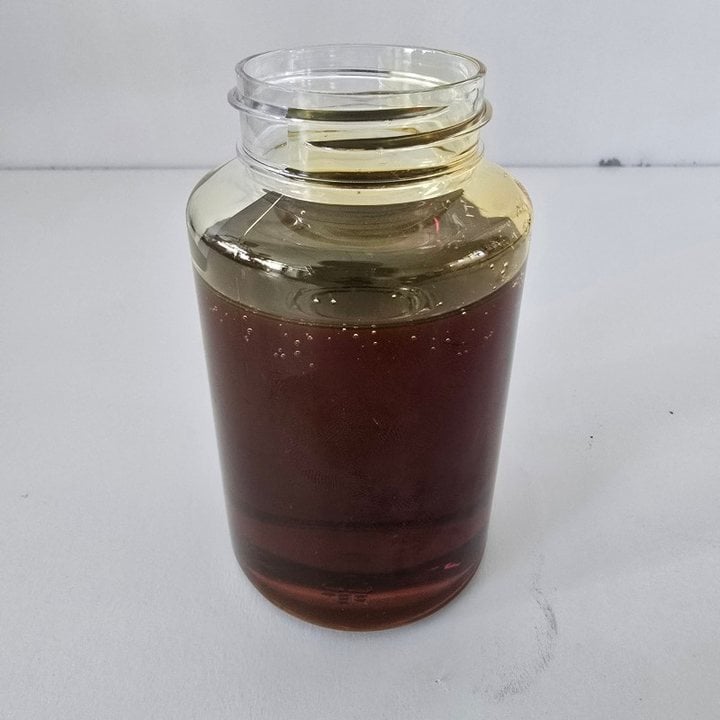
Rust Inhibitors for Oilfield Infrastructure
Oil-soluble rust inhibitors protect steel flowlines, storage tanks and injection pipelines from internal corrosion caused by water carryover and dissolved CO₂. Amine-carboxylate and sulfonate types film ferrous surfaces at 10–100 ppm in oil-phase streams; compatible with most crude compositions. Confirm with a bottle test in the actual service fluid before field application.
View Rust Inhibitors →Scale inhibitors, H₂S scavengers and oxygen scavengers are described in the process-stage matrix and FAQ as background — they are formation-specific products from specialist production-chemical houses, not part of CheMost’s range. Chemistry and tests are public references; the confirmed value for any CheMost grade is on its TDS.
WBM vs OBM Lubricity Additive Selection
The lubricity additive choice depends primarily on whether the drilling fluid is water-based or oil-based — the mechanisms are fundamentally different.
Water-Based Mud (WBM) Lubricity
- Oil-free / low-oil systems need water-dispersible lubricity agents
- Fatty-acid esters, glycerol-based and synthetic-ester lubricants are primary options
- EP additives can be used in emulsified form at 0.5–1.5% treat rate
- Test: OFITE lubricity tester coefficient of friction target < 0.15
- Confirm compatibility with other WBM additives (polymers, KCl)
Oil-Based Mud (OBM/SBM) Lubricity
- Oil-soluble EP chemistry dissolves directly in the base-oil phase
- Active-sulfur treat rate 0.5–2% for severe directional drilling
- Copper-safe grade (ASTM D130 1a) for mixed-metal contact
- Ashless phosphorothioate for sensitive offshore (no active sulfur / chlorine)
- Test: HPHT friction coefficient at simulated downhole temperature and pressure
Contact our technical team with your mud type, base oil or brine system, downhole temperature and friction target; we’ll recommend chemistry and estimated treat rates from available lubricity data.
How an Oilfield Grade Is Judged
Oilfield components are qualified against the property that matters for the duty, most confirmed in the field fluid. These are the measures a grade is assessed by; the confirmed result for a CheMost grade is on its TDS.
| Test | What it measures | Applies to |
|---|---|---|
| Lubricity — OFITE / Fann | coefficient of friction of the mud | EP / lubricity additive |
| Bottle test | demulsifier water-drop & BS&W vs crude | demulsifier (crude-specific) |
| Corrosion — NACE / ASTM (LPR, coupon) | steel corrosion rate with inhibitor | corrosion inhibitor |
| Copper corrosion — ASTM D130 | yellow-metal attack from active sulfur | EP additive selection |
| Active sulfur — ASTM D1662 | reactive vs inactive sulfur in the EP | EP additive |
| Rust — ASTM D665 | steel corrosion in oil + water | rust inhibitor |
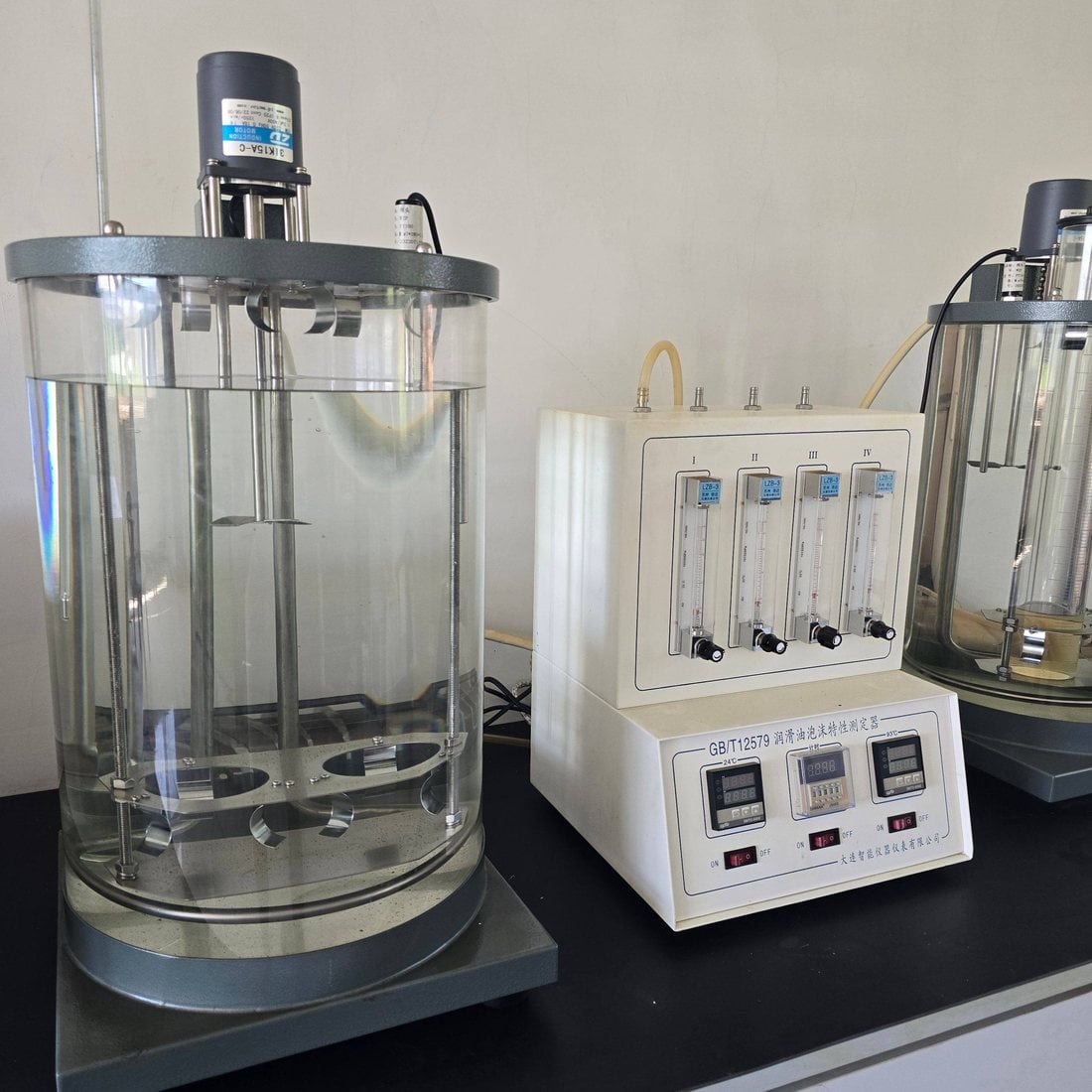
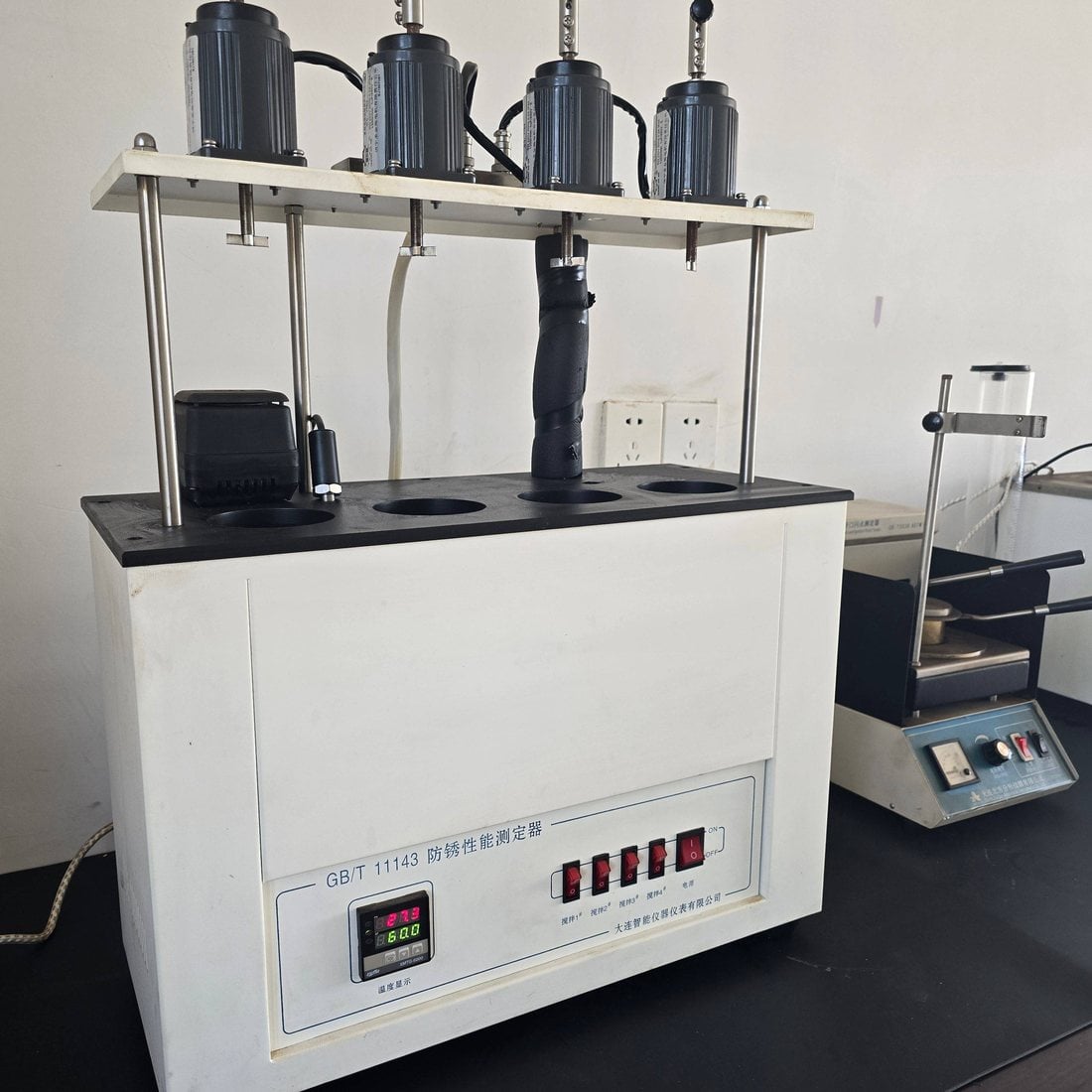
“Oilfield performance is field-fluid-specific — a demulsifier is proven in your crude, a lubricity additive in your mud. We confirm the grade against its data sheet and recommend a bottle test or lubricity screen in your fluid. Every batch ships with a COA against its TDS, and a third-party SGS report is available on request.”
CheMost technical team
- Batch COA against the grade TDS with every shipment
- Active content, active sulfur (D1662) and copper corrosion (D130) for EP; active matter for demulsifier / corrosion grades
- Third-party SGS report on request; field qualification (bottle test, lubricity, corrosion coupon) is run in the customer’s fluid
Treat Rates in Oilfield Use — Function by Function
Treat rates span from percent (drilling-mud EP) to ppm (production-system corrosion and rust), and are confirmed in the field fluid:
| Component | Typical treat rate | Primary role |
|---|---|---|
| EP / lubricity (OBM) | ~0.5–2% of mud | torque / drag, anti-sticking |
| EP / lubricity (WBM, emulsified) | ~0.5–1.5% of mud | water-based lubricity |
| Corrosion inhibitor (production) | ~5–50 ppm | H₂S / CO₂ steel protection |
| Demulsifier | ~5–100 ppm (bottle-test set) | crude-water separation, BS&W |
| Rust inhibitor (infrastructure) | ~10–100 ppm | flowline / tank rust protection |
Ranges are typical industry figures; the exact treat rate for a CheMost grade is on its TDS, and the treat-rate calculator sizes a dose to your fluid volume.
Components for Oilfield Use
CheMost supplies oilfield chemistry as individual components — EP / lubricity additives, corrosion inhibitors, demulsifiers and rust inhibitors — each as a standalone concentrate with full TDS, SDS, COA and dangerous-goods documentation where required.
Because oilfield performance is field-fluid-specific, the practical path is to tell us the process stage and fluid (mud type and base; or crude, produced water and separator temperature) and the property you must hit (friction target, BS&W, corrosion rate). We recommend chemistry and a starting treat rate, supply samples for a bottle test or lubricity screen in your own fluid, and you scale from there. See the oilfield chemicals catalog and full component range for listings. Scale, H₂S and full produced-water programs are best sourced from a specialist production-chemical house.
Why CheMost — Clear Scope, Documented Data
We state what we can document and what we supply. Grade data comes from each product’s supplier TDS; where a value is not confirmed for a grade we mark it “on request” rather than estimate. The chemistry and test methods on this page are public references (ASTM, NACE, industry practice) — not CheMost claims of ownership. CheMost supplies the EP / lubricity, corrosion, demulsifier and rust chemistry that overlaps its lubricant range — not scale inhibitors, H₂S / oxygen scavengers or a full produced-water service, which are formation-specific products from specialist houses. What we provide is documented component chemistry, backed by batch COA, optional SGS testing and field-screening support. Suitability is always confirmed in the field fluid.
This industry hub aggregates oilfield chemistry from CheMost’s Specialty Chemicals and Additive Components catalogs — EP additives, corrosion inhibitors, rust inhibitors and demulsifiers are each described with grade listings on their component pages. For the other specialty markets see Fuel, Metalworking and Mining.
Frequently Asked Questions
Does CheMost supply scale inhibitors, H₂S scavengers and a full production-chemical program?
No. CheMost supplies the oilfield chemistry that overlaps its lubricant range — EP / lubricity additives for drilling fluids, corrosion inhibitors, demulsifiers and rust inhibitors. Scale inhibitors, H₂S and oxygen scavengers, biocides and the full continuous-injection production-chemical program are formation-specific products that should be selected from a water-chemistry analysis by a specialist production-chemical service company. We describe them on this page (in the process-stage matrix and below) as background so you can see where our components fit in the wider program — but we focus on what we can manufacture, document and supply, and we say so clearly rather than overstate our scope.
How do EP additives improve lubricity in oil-based drilling muds?
In oil-based muds, EP additives work through the same mechanism as in gear and cutting lubricants: at the asperity contacts between drill string and wellbore wall, contact temperatures exceed the EP chemistry’s decomposition threshold, releasing reactive sulfur or phosphorus that forms low-shear-strength iron-sulfide or iron-phosphate films. These prevent metal-to-metal seizure and reduce the coefficient of friction along the string. A well-designed OBM with EP at 1–2% typically shows a coefficient of 0.08–0.15 on an OFITE or Fann tester, versus 0.30–0.45 untreated — a major reduction in torque and drag for extended-reach (ERD) wells where string friction limits horizontal reach. High-active-sulfur grades give the most aggressive EP; copper-safe grades (ASTM D130 1a) are preferred where brass surface connections require non-corrosive chemistry.
What is the difference between a corrosion inhibitor and a scale inhibitor?
They solve different problems by different mechanisms. A corrosion inhibitor protects the steel surface by forming an adsorbed film that slows the electrochemical corrosion rate — typically an amine or imidazoline that films onto steel in the water phase at 10–50 ppm. A scale inhibitor works in the bulk water to prevent mineral crystallisation — it adsorbs onto crystal nuclei and disrupts growth, keeping calcium carbonate, barium or strontium sulfate in solution above the supersaturation that would otherwise precipitate. Both are needed in production: the corrosion inhibitor manages electrochemical attack on the steel, the scale inhibitor manages mineral deposition in the near-wellbore and equipment. CheMost’s corrosion-inhibitor and metal-deactivator range covers the corrosion function; scale inhibitors are formation-specific products selected from your water analysis by a specialist house.
How does demulsifier chemistry break crude oil-water emulsions?
Crude emulsions are stabilised by asphaltenes, resins and naphthenic acids that adsorb at the oil-water interface and form a mechanically resistant film. Demulsifiers are surface-active polymers (typically ethylene-oxide / propylene-oxide block copolymers or resin-EO-PO types) with high interfacial activity — they displace the natural stabilisers faster than the stabilisers can re-adsorb. Once the film is disrupted, oil droplets coalesce and separate by gravity in the heater-treater or electrostatic treater. Performance is highly crude-specific because the stabiliser composition varies by field, so bottle-test screening in your actual crude (with your produced water at your separator temperature) is the required first step; the field treat rate is calibrated from the bottle-test optimum. Send your crude source, BS&W target and separator temperature for a screening discussion.
What documentation does CheMost provide for oilfield chemical shipments?
Every commercial shipment is supported by a TDS (chemical identification, physical properties, available performance data); a GHS SDS (handling, transport classification, regulatory compliance); a per-batch COA; and a Certificate of Origin for customs. For dangerous goods under IMDG (sea) or IATA (air), transport documentation is prepared. For EP additives the TDS includes ASTM D130 copper-corrosion and active-sulfur data. Substance identity and CAS information for import regulatory purposes can be requested during evaluation. We do not produce ISO 9001 certificates or CICS registration documents.
What is CheMost’s MOQ and lead time for oilfield chemical components?
Standard components used in oilfield applications (EP additives, corrosion inhibitors, rust inhibitors, demulsifiers) ship within 7–14 business days of order confirmation at a 200 kg (one drum) MOQ. Specialty grades with lower production frequency may require IBC (1,000 kg) minimums or longer lead times, confirmed during quotation. Free 1–5 kg trial samples for laboratory or field evaluation are available for qualified buyers. Contact sales with the product, quantity and destination port for a specific lead-time and pricing confirmation.
Tell us the stage and the fluid — we’ll name the chemistry
Give us the process stage and fluid system (mud type and base; or crude, produced water and separator temperature) and the property you must hit; we’ll recommend components and a starting treat rate, supply samples for a bottle test or lubricity screen, then send the TDS and SDS. Samples in 1 kg and 5 kg; bulk in 200 kg drums and 1000 kg IBC.
Request a Free Sample Get a QuoteAbout this hub & our data. The chemistry and test methods on this page are public references (ASTM, NACE, industry practice) — not CheMost measurements. Failure-mode descriptions reflect published engineering rationale, cited as such. Grade specifications come from each product’s supplier TDS; where a value is not confirmed for a grade, we mark it “on request” rather than estimate. CheMost is a manufacturer and sourcing partner established in 2013, supplying the EP / lubricity, corrosion, demulsifier and rust chemistry that overlaps its lubricant range; scale inhibitors, H₂S / oxygen scavengers and full produced-water programs are specialist domains we describe for context but do not supply. Suitability is always confirmed in the customer’s field fluid. Last reviewed June 2026 · CheMost technical team.
Browse our Oilfield Drilling Chemicals products →
Explore Other Industries
CheMost serves formulators and blenders across every major lubricant and specialty-chemical sector. Open any industry to see the additives, packages, and application guidance built for it.