A fuel additive works at parts per million — and must not foul an injector, plug a filter or raise emissions. CheMost supplies the bulk chemistry fuel blenders, refineries and storage terminals dose into diesel, biodiesel, gasoline and heavy fuel: cold-flow improvers, antioxidants, pour-point depressants, rust inhibitors and metal deactivators. These are blending components for fuel producers — not the consumer “injector cleaner” and “gas treatment” bottles sold at parts stores. Factory-direct from Jinzhou, China.
Four Chemistry Problems Every Fuel Additive Formulator Faces
Fuel chemistry is constrained in ways lubricant chemistry is not. Fuel additives dose at parts per million rather than percent, and must not contribute to injector deposits, filter plugging, combustion-chamber deposits or emissions. They must also survive blending into a wide range of base fuels: high-sulfur middle distillate, ultra-low-sulfur diesel, hydrotreated renewable diesel (HVO), FAME biodiesel blends and seasonal gasoline pools.
Performance at ppm, with zero tolerance for deposits
Four chemistry challenges dominate the work: cold flow for winter distribution, oxidation stability for storage and biodiesel blends, corrosion protection for metal in contact with fuel, and metal deactivation for copper and yellow metals across the supply chain. Each needs a different chemistry class at a very different dose — and each must do its job at a few hundred ppm without leaving a deposit the engine will see.
Cold Flow & Wax Control
Wax crystallization in diesel and biodiesel blocks filters at low temperatures. Cold-flow improvers (CFI) modify wax-crystal morphology to maintain filterability; pour-point depressants reduce the gel point of the bulk fuel.
Oxidation & Storage Stability
Hydrocarbon oxidation produces gums, peroxides and insoluble sediment. Phenolic and aminic antioxidants interrupt the radical chain. Critical for FAME biodiesel blends, which oxidize faster than mineral diesel.
Corrosion & Rust Protection
Water ingress in storage tanks, pipelines and injectors rusts ferrous surfaces. Oil-soluble rust inhibitors form a protective film at 10–100 ppm in the fuel.
Metal Deactivation
Copper and brass components catalyse oxidation. Benzotriazole and tolyltriazole derivatives chelate copper ions and passivate the surface, cutting catalytic oxidation by orders of magnitude.
What an Underbuilt Fuel Actually Costs
Fuel specifications exist because specific failures are expensive — a stranded fleet in a cold snap, a tank of biodiesel gone to sediment, a refinery’s injectors fouled by gum. The additive is where each is controlled, at a few hundred ppm.
Targeting a winter CFPP, an EN 14112 induction time or a storage-stability limit? Tell us the base fuel and the spec and we’ll name the chemistry and a starting ppm.
Additive Requirements by Fuel Type
The additive requirement differs significantly by fuel grade — cold-flow chemistry suitable for mineral diesel does not perform identically in biodiesel blends. Start from the fuel and the spec you must meet.
| Fuel type | Primary cold-flow / stability spec | What dominates the additive demand | CheMost components |
|---|---|---|---|
| Mineral diesel (ULSD) | CFPP (EN 116) · cetane (EN ISO 5165) | cold flow (CFI / PPD) + rust; moderate antioxidant (HVO/ULSD inherently stable) | cold-flow · rust |
| Biodiesel blends (FAME B5–B30) | EN 14112 Rancimat ≥ 6 h (B7) | antioxidant (rises with FAME %) + feedstock-matched cold flow | antioxidants · cold-flow |
| Gasoline & fuel storage | oxidation / gum (ASTM D525 / D381) | antioxidant (peroxide / gum) + metal deactivator + rust for storage | antioxidants · metal deactivators |
| Heavy fuel oil & bunker | pour point (ASTM D97) · sediment | pour-point depressant + flow improver + sludge dispersant; rust for tanks | pour-point depressants |
Fuel standards (EN 590, ASTM D975, EN 14214) are met and certified by the fuel producer / marketer, not the additive supplier. CheMost components are selected to help a finished fuel reach the named spec.
CheMost Components for Fuel Additive Formulation
Each category addresses a distinct fuel-chemistry function. Component pages give grade specifications, treat-rate ranges and applicable fuel standards. Fuel additives are dosed at ppm — high-potency chemistry with confirmed fuel solubility and filterability.
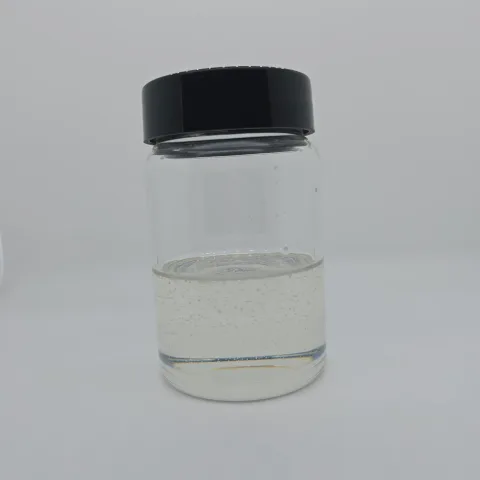
Fuel Additives — Cold Flow & Antioxidant
CheMost’s primary fuel line covers cold-flow improvement and fuel antioxidant protection. Cold-flow improvers are ethylene-vinyl acetate (EVA) or polyacrylate polymers that modify wax-crystal habit to hold CFPP and LTFT targets in winter diesel; phenolic antioxidant components delay gum and peroxide buildup in storage and at the blending terminal.
- Cold-flow improvers (CFI / WASA) for CFPP ≤ −15 to −30°C
- Phenolic antioxidants for diesel & biodiesel storage
- Bulk drum and IBC for blending-terminal use
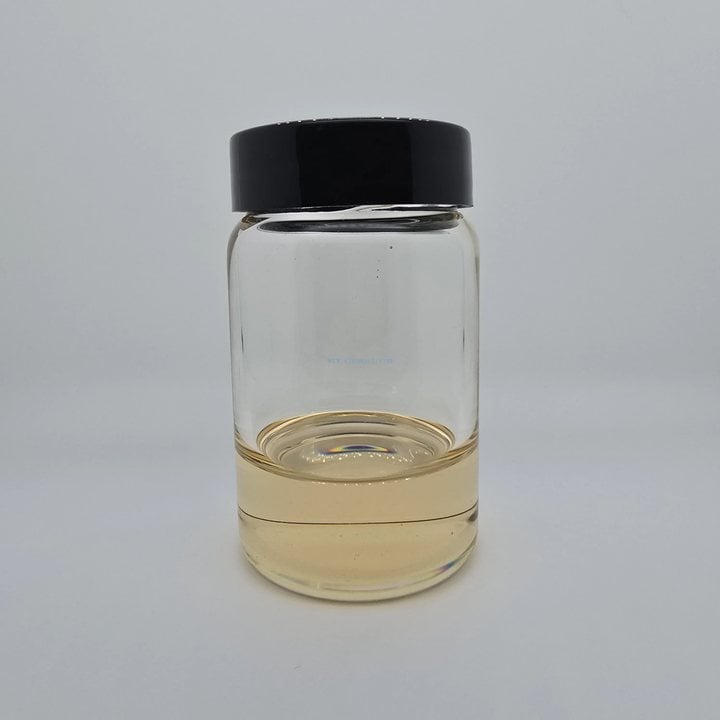
Antioxidants for Fuel & Lubricant Systems
CheMost antioxidants from the lubricant range apply directly to fuel stabilisation at adjusted treat rates. Hindered phenolics (BHT-type and DBPC) are used at 50–200 ppm in mineral diesel and biodiesel blends to delay gum formation; diphenylamine types suit gasoline and jet fuel for peroxide suppression. Selection depends on fuel type, storage temperature and additive compatibility.
View Antioxidants →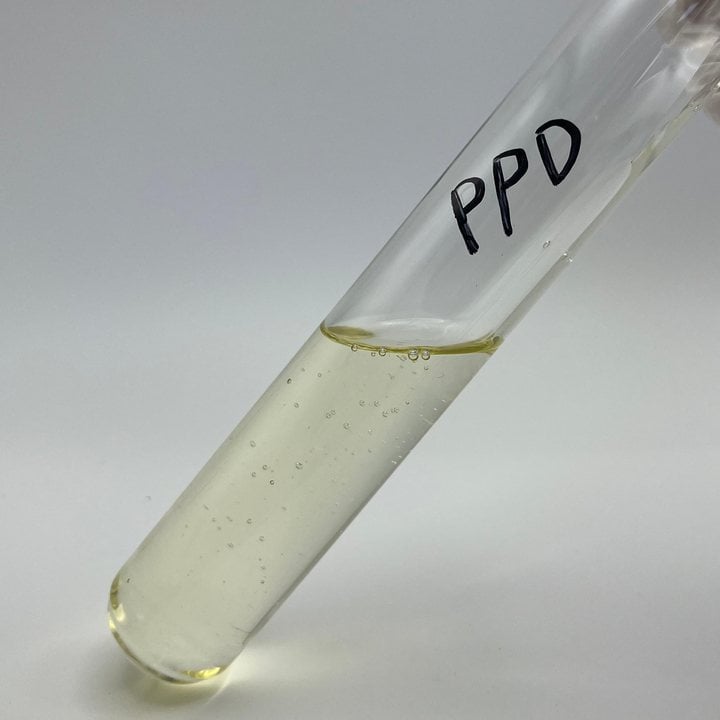
Pour Point Depressants for Fuel Systems
Pour-point depressants (PPD) are polyalkylmethacrylate (PMA) or olefin-copolymer (OCP) polymers that adsorb onto wax crystals and interrupt growth into a gel network. In fuel they depress the pour point of heavy fuel oil, fuel-oil storage and blendstocks. For diesel, CFPP is more relevant than pour point — confirm which cold-flow property is the primary spec before choosing CFI vs PPD.
View Pour Point Depressants →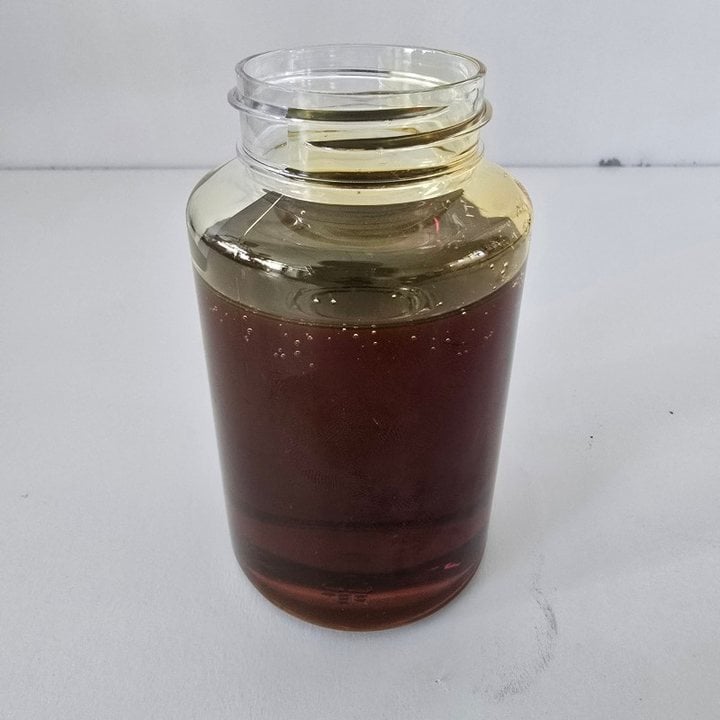
Rust Inhibitors for Fuel Systems
Fuel rust inhibitors are oil-soluble amine-carboxylate or sulfonate derivatives that form a protective monomolecular film on steel. Key uses: storage-tank bottom protection, pipeline corrosion inhibition and injector rust prevention in seasonal-use engines. Treat rates of 10–100 ppm — far below lubricant levels — demand high-potency chemistry with confirmed fuel solubility and filterability.
View Rust Inhibitors →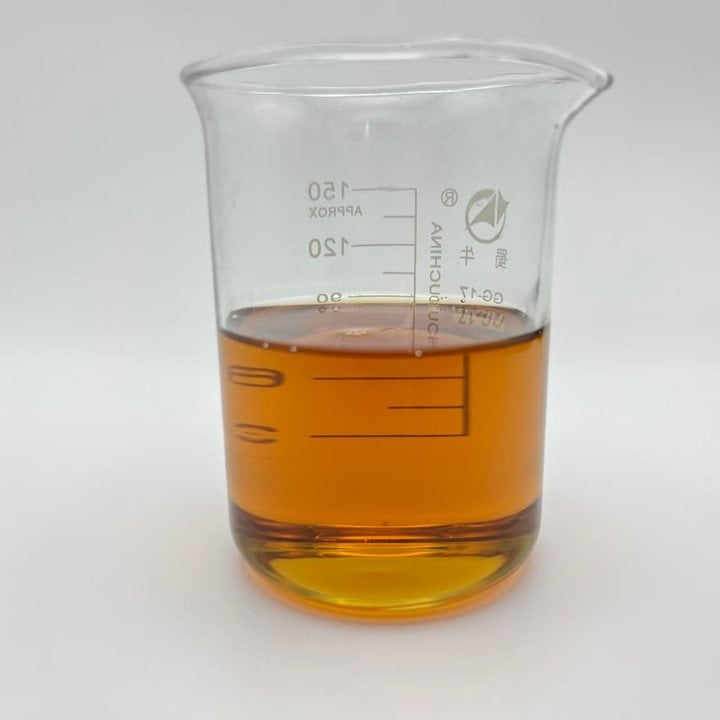
Metal Deactivators for Fuel Chemistry
Benzotriazole (BTA) and tolyltriazole (TTA) derivatives are the standard fuel metal deactivators. They prevent copper-catalysed oxidation of fuel hydrocarbons and protect yellow-metal injection components, used at 5–50 ppm. Also used in compounded packages where lubricant and fuel chemistry overlap (e.g. two-stroke oil/fuel formulations).
View Metal Deactivators →A complete fuel additive package may also include cetane improver, lubricity additive and detergent/deposit-control chemistry — see the FAQ for how CheMost handles those. Chemistry and governing tests are public references; the confirmed value for any CheMost grade is on its TDS.
Selecting Cold-Flow Chemistry: CFI vs PPD
Cold-flow improvement in distillate fuels means choosing between cold-filter-plugging-point (CFPP) improvement and pour-point depression — they are not the same mechanism.
Cold Flow Improvers (CFI)
- Target: CFPP and LTFT (Low-Temperature Flow Test)
- Mechanism: modifies wax-crystal habit so crystals pass through filters despite forming
- Use case: diesel distribution for CFPP compliance in cold climates
- Treat rate: 200–1000 ppm by fuel wax content and target CFPP
- Must be tested in the specific base fuel — response varies by crude source and refinery cut
Pour Point Depressants (PPD)
- Target: pour point (ASTM D97), not CFPP
- Mechanism: adsorbs onto wax crystals and prevents an interlocking gel network
- Use case: heavy fuel oil, fuel-oil storage, base-oil cold flow
- Treat rate: 500–3000 ppm in heavy fuel; 50–500 ppm in lighter distillates
- In diesel: pour-point improvement does not guarantee CFPP improvement — test both
Contact our technical team with your fuel type (density, T90, wax content if known), target cold-flow specification and destination market. We’ll recommend chemistry and estimated treat rates from published data.
Fuel Performance Tests — What Each One Measures
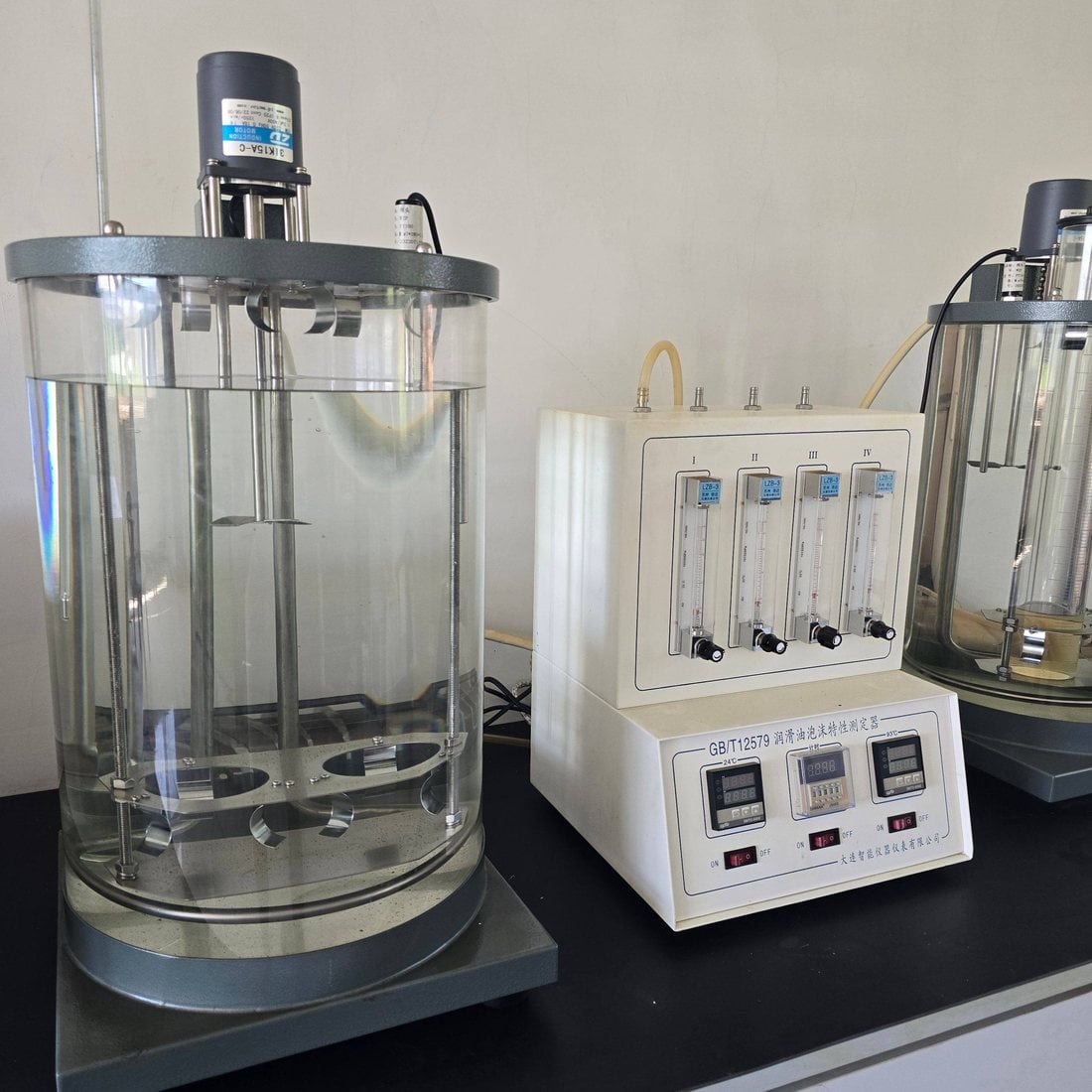
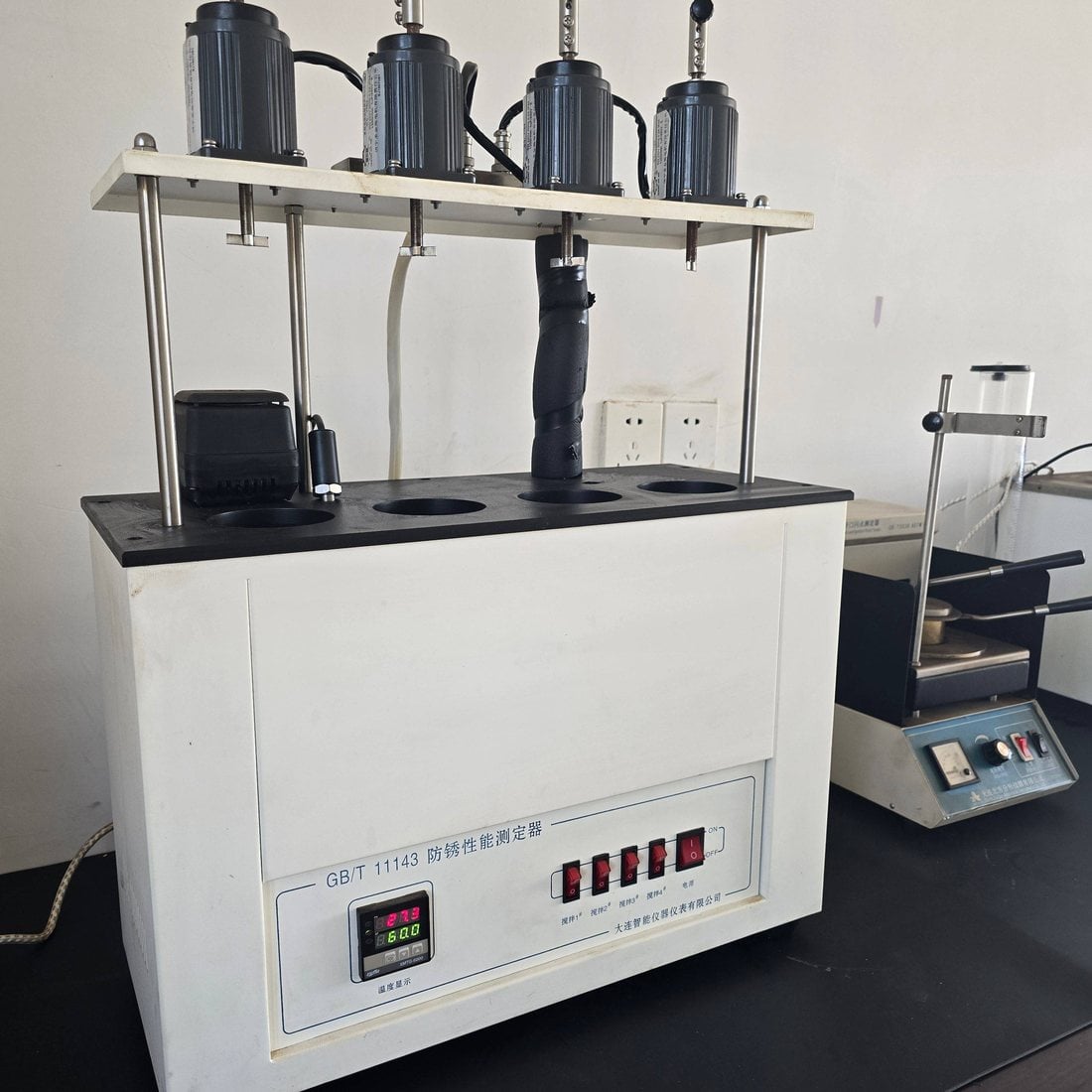
A fuel additive is qualified against standardised bench tests in the finished fuel. These are the tests a treated fuel is measured by; CheMost components are selected to help reach them, and the confirmed result for a grade is on its TDS.
| Test | What it measures | Controlled by |
|---|---|---|
| CFPP — EN 116 / ASTM D6371 | lowest temperature fuel still passes a test filter | cold-flow improver |
| Pour point — ASTM D97 | lowest temperature the bulk fuel still flows | pour-point depressant |
| Oxidation (FAME) — EN 14112 Rancimat | induction time at 110°C (biodiesel stability) | antioxidant |
| Storage stability — ASTM D2274 / D7545 | insoluble sediment & gum after accelerated ageing | antioxidant + metal deactivator |
| Existent gum — ASTM D381 | gum already present in gasoline | antioxidant |
| Copper corrosion — ASTM D130 | yellow-metal attack from the fuel | metal deactivator |
| Rust — ASTM D665 / NACE TM0172 | steel corrosion in fuel + water | rust inhibitor |
“Fuel response is fuel-specific — so we confirm the additive against its data sheet and recommend you confirm CFPP in your own base fuel. Every batch ships with a COA against its TDS, and a third-party SGS report is available on request.”
CheMost technical team
- Batch COA against the grade TDS with every shipment
- Active content, density, viscosity and fuel solubility / filterability on the additive concentrate
- Third-party SGS report on request; finished-fuel CFPP / Rancimat qualification is run in the customer’s base fuel
Treat Rates in Fuel — Function by Function
Fuel additives are dosed at parts per million, not percent — a fraction of lubricant treat rates. The dose is set per function and confirmed in the base fuel, because cold-flow response in particular is wax-specific:
| Component | Typical treat rate in fuel | Primary role |
|---|---|---|
| Cold-flow improver (CFI) | ~200–1000 ppm | CFPP / filterability in winter diesel |
| Pour-point depressant (PPD) | ~50–3000 ppm | pour point of HFO / distillate / blendstock |
| Antioxidant (phenolic / aminic) | ~50–200 ppm | storage & biodiesel oxidation stability |
| Rust inhibitor | ~10–100 ppm | tank / pipeline / injector rust |
| Metal deactivator (triazole) | ~5–50 ppm | copper-catalysed gum suppression |
Ranges are typical industry figures; the exact treat rate for a CheMost grade is on its TDS, and the treat-rate calculator sizes a ppm dose to your blend volume.
Components for Fuel Blending
CheMost supplies fuel additives as individual components for blenders, refineries and storage terminals — cold-flow improvers, antioxidants, pour-point depressants, rust inhibitors and metal deactivators, each as a standalone concentrate with full TDS, SDS and COA.
Because cold-flow response is wax-specific and oxidation demand rises with FAME content, the practical path is to tell us the fuel type (density, T90, FAME content), the cold-flow or stability spec you must meet, and the destination climate. We recommend chemistry and starting ppm from published data, supply samples for confirmation in your own base fuel, and scale up from there. See the fuel additives catalog and the full component range for grade listings.
Why CheMost — Real Data, Not Borrowed Approvals
We state what we can document. Grade data comes from each product’s supplier TDS; where a value is not confirmed for a grade we mark it “on request” rather than estimate. The standards and test methods on this page are public references (EN, ASTM, ISO) — not CheMost claims of ownership. Fuel-specification certification (EN 590, ASTM D975, EN 14214) belongs to the fuel producer or marketer, not to the additive component; what CheMost provides is chemistry selected to help your fuel reach the spec, backed by batch COA, optional SGS testing and treat-rate support. Cold-flow and stability response is always confirmed in your own base fuel, not assumed.
Size the Dose, Pull the Documents
Interactive calculators to size a ppm dose, plus the documents and background reading behind each grade.
This industry hub aggregates fuel chemistry from our Specialty Chemicals and Additive Components catalogs. Cold-flow improvers and fuel antioxidants are listed under Fuel Additives; antioxidants, PPDs, rust inhibitors and metal deactivators used across industries are in the Additive Components range. For the other specialty markets see Metalworking, Oilfield and Mining.
Frequently Asked Questions
Are these the fuel additives sold at auto-parts stores?
No. CheMost supplies bulk additive components to fuel blenders, refineries and storage terminals — the chemistry that goes into a fuel at the terminal, dosed at parts per million, before it reaches the pump. The injector cleaners, gas treatments and diesel anti-gel bottles sold at parts stores and supermarkets are a different, consumer product poured into your own tank. Our materials ship in drums and IBCs for industrial blending, with TDS, SDS and COA — not single-use bottles. If you are a blender or terminal building a treated fuel, this is the right range; if you want a bottle for your own vehicle, a retail brand is what you are looking for.
How do cold-flow improvers work, and why must they be tested in the specific base fuel?
Cold-flow improvers are long-chain copolymers (typically ethylene-vinyl acetate or polyacrylate) that co-crystallise with the wax fraction in diesel as temperature drops, altering wax morphology from large platelets (which interlock and block filters) into smaller, dispersible crystals. The key constraint is that CFI response is highly specific to the base fuel’s wax: the carbon-chain length of the paraffin, its concentration and the fuel’s T90 all affect which polymer gives the best response. A CFI that achieves −20°C CFPP in one fuel may achieve only −10°C in a different refinery cut at the same treat rate — that is the fundamental chemistry of wax modification, not a poor additive. Testing in your actual base fuel before commercial adoption is the only reliable way to establish treat rate.
What is the difference between a fuel antioxidant and a pour-point depressant?
They address entirely different failure mechanisms. A fuel antioxidant (hindered phenolic such as BHT, or an aminic type) interrupts the free-radical chain of hydrocarbon oxidation — preventing gum, peroxide accumulation and colour degradation in storage. It has no effect on cold flow. A pour-point depressant (PMA or OCP polymer) modifies wax-crystal growth to prevent gelation at low temperature — it has no effect on oxidation stability. FAME biodiesel blends are vulnerable to both (they oxidise faster and can have worse cold flow than the base diesel), so both additive types are commonly required and are fully compatible in the fuel matrix.
Why are cold-flow requirements different for biodiesel blends compared to mineral diesel?
FAME biodiesel has a different wax composition than mineral diesel. FAME wax is saturated fatty-acid methyl esters (mainly C16:0 and C18:0 from palm, soy or rapeseed) rather than linear-alkane paraffins, so it crystallises at different temperatures and morphology. Mineral-diesel CFI chemistry, optimised for alkane wax, often shows reduced effectiveness in FAME blends. Feedstock matters too: palm-based FAME has high palmitate and poor cold flow; rapeseed FAME (European B7) is better; HVO renewable diesel behaves more like mineral paraffins. Cold-flow selection for biodiesel therefore requires knowing both the FAME source and the blend ratio, not just the target CFPP.
Do you supply cetane improver, lubricity and detergent additives too?
A complete fuel additive package can include cetane improver (2-ethylhexyl nitrate, for combustion), lubricity additive (fatty-acid or ester chemistry, to restore the lubricity stripped out of ultra-low-sulfur diesel) and detergent / deposit-control chemistry for injector cleanliness. CheMost’s own manufactured fuel range is focused on cold-flow, oxidation stability, corrosion and metal deactivation. For cetane, lubricity and detergency we advise on selection and can supply through qualified sourcing where it fits — and we state clearly which items are CheMost-manufactured and which are sourced, as we do across the specialty range. Tell us the full additive package you need and we’ll scope what we make versus source.
What documentation does CheMost provide for fuel additive component shipments?
Every commercial shipment is supported by a TDS (chemical identification, physical properties, available performance data); a GHS-compliant SDS (handling, transport classification, regulatory compliance); a per-batch COA confirming active content and key parameters; and a Certificate of Origin for customs. For components classified as dangerous goods, IMDG or IATA documentation is prepared for sea or air freight, and HS-code information is provided. Available bench data (CFPP response curves, Rancimat results, ASTM D130 copper corrosion) can be provided on request for qualifying components during evaluation.
What are the minimum order quantities and lead times for fuel additive components?
Standard stocked components (antioxidants, pour-point depressants, rust inhibitors) ship within 7–14 business days of order confirmation; cold-flow improvers within 14–21 days for standard grades. Minimum order is typically 200 kg (one drum) for most liquid components; IBC (1,000 kg) minimums apply to some bulk grades. Free 1–5 kg trial samples are available for qualified evaluation. Seasonal demand (pre-winter cold-flow orders in October–November) can affect CFI lead times — order early. Contact sales with the product, quantity, destination port and timeline for a specific confirmation.
Tell us the fuel and the spec — we’ll name the chemistry
Give us your fuel type, target cold-flow or storage-stability specification, FAME content if applicable and destination climate; we’ll recommend components and starting ppm, then send the TDS, SDS and a sample. Samples in 1 kg and 5 kg; bulk in 200 kg drums and 1000 kg IBC.
Request a Free Sample Get a QuoteAbout this hub & our data. The standards, test methods and chemistry on this page are public references (EN, ASTM, ISO) — not CheMost measurements. Failure-mode descriptions reflect the published rationale for those standards, cited as such. Grade specifications come from each product’s supplier TDS; where a value is not confirmed for a grade, we mark it “on request” rather than estimate. CheMost is a manufacturer and sourcing partner established in 2013; fuel-specification certification is held by the fuel producer or marketer, not the additive component. Cold-flow and stability response is always confirmed in the customer’s base fuel. Last reviewed June 2026 · CheMost technical team.
Browse our Fuel Additives products →
Explore Other Industries
CheMost serves formulators and blenders across every major lubricant and specialty-chemical sector. Open any industry to see the additives, packages, and application guidance built for it.