Lubricant Additive Components
CheMost supplies aminic and phenolic antioxidants that prevent oxidative degradation and extend lubricant service life in engine oils, turbine oils, hydraulic fluids, and industrial applications.
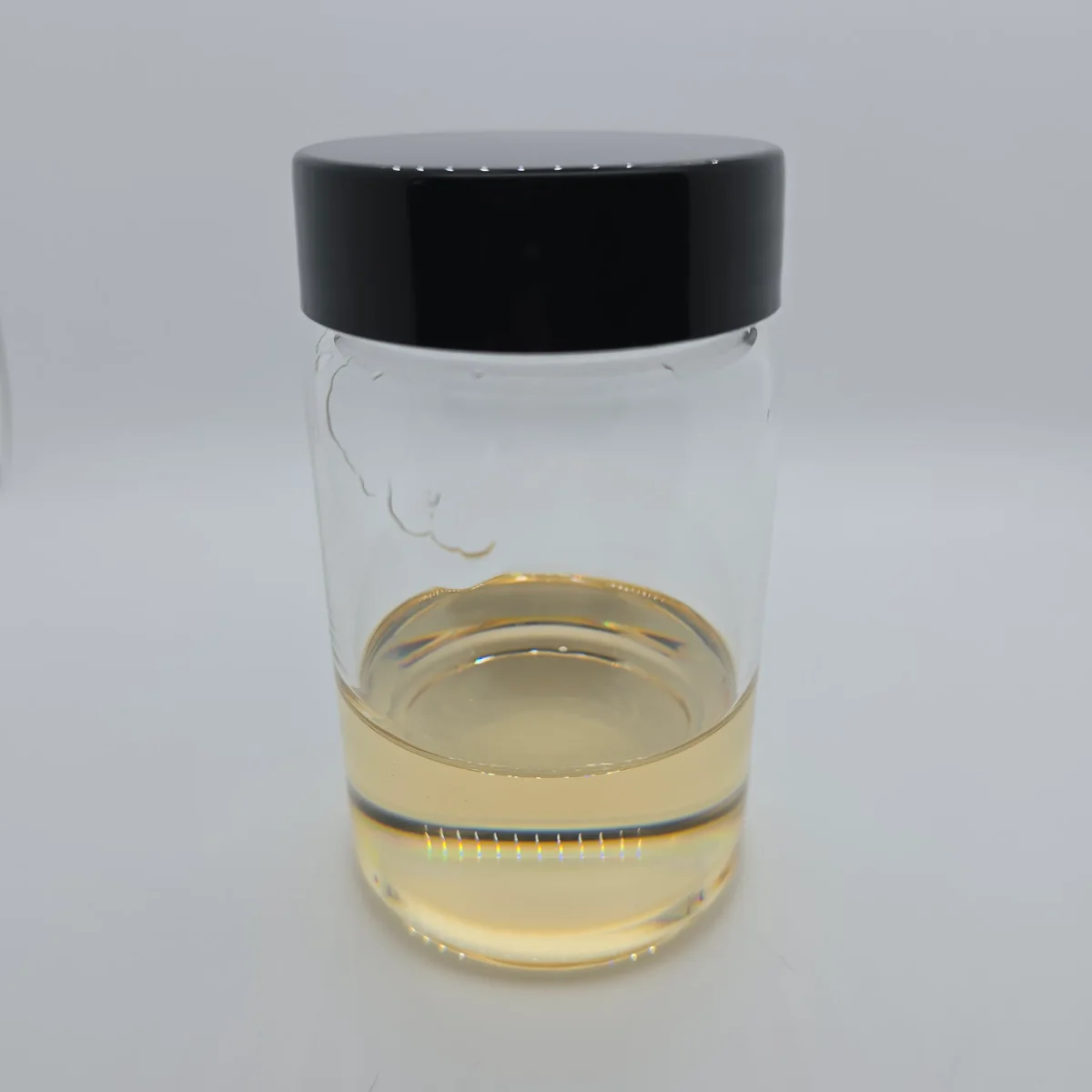
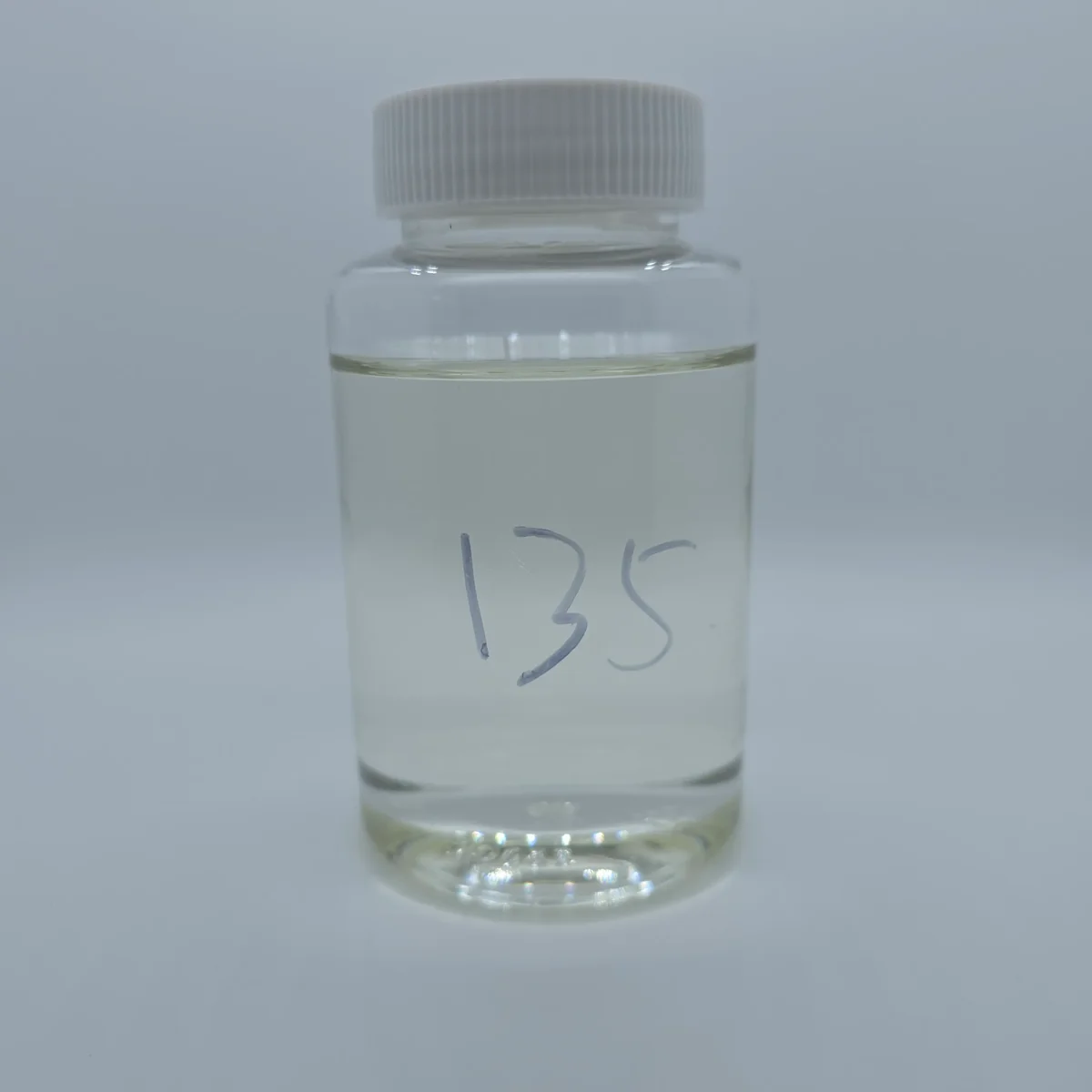
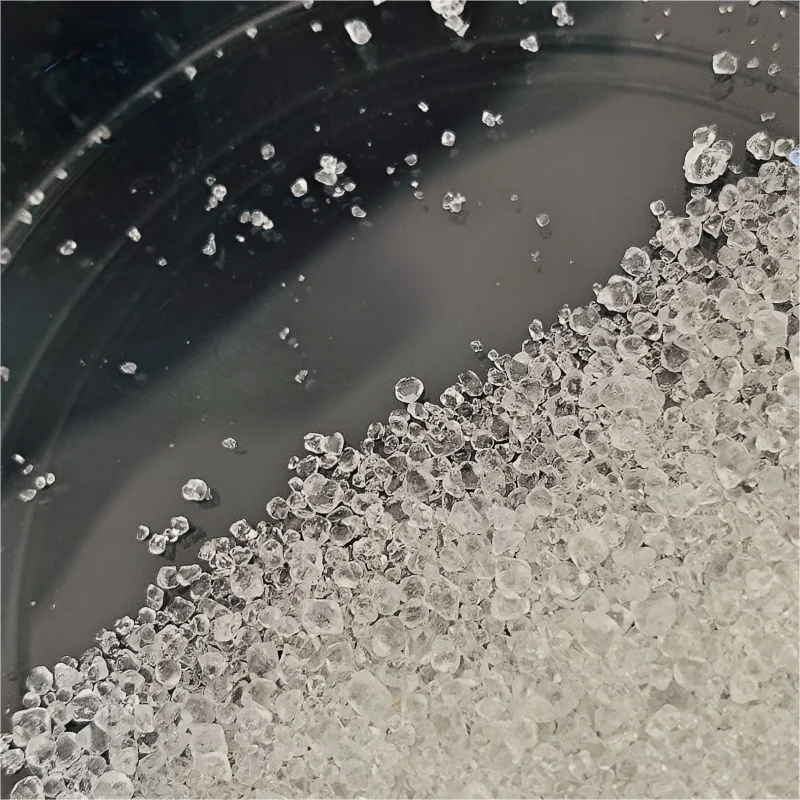
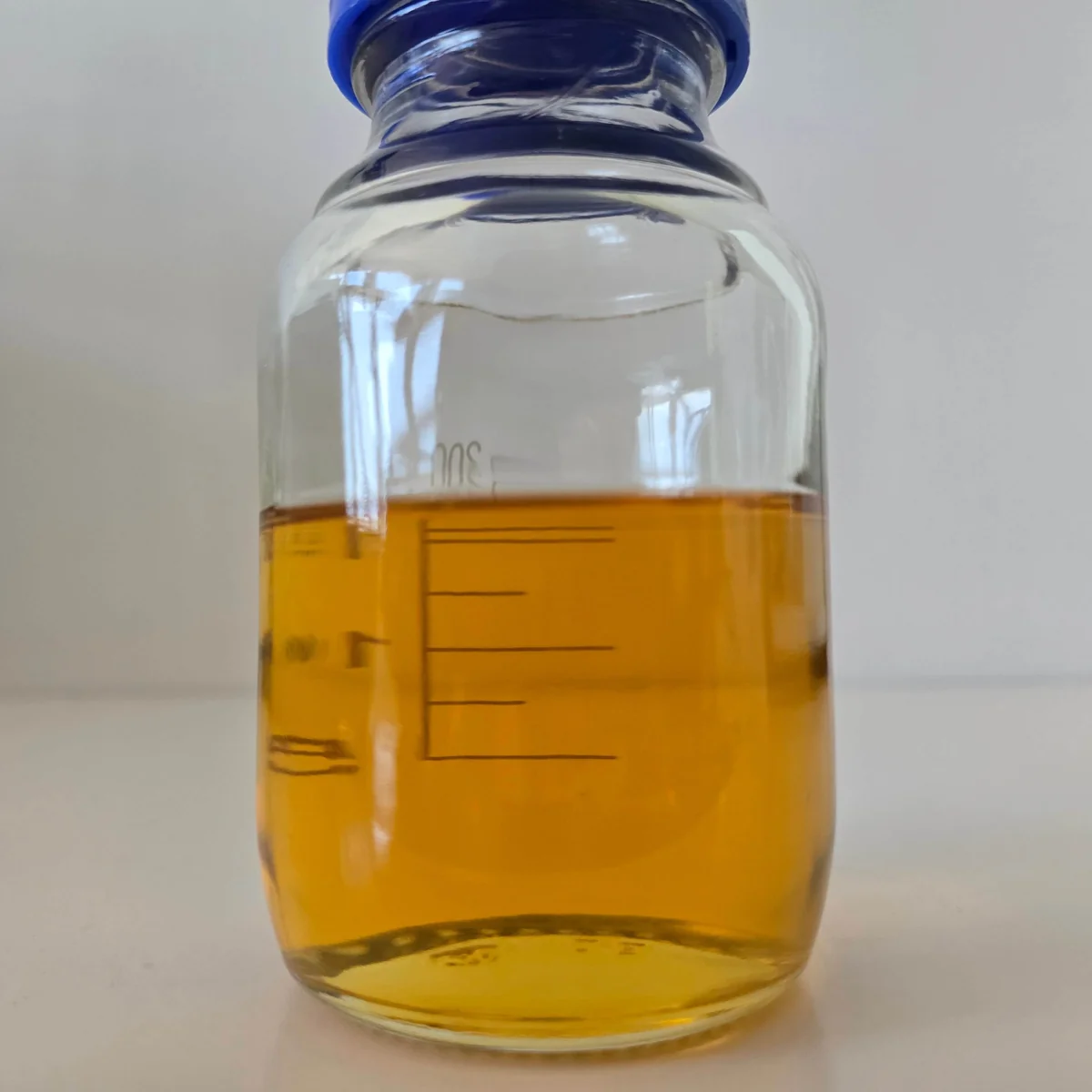
Manufactured in Jinzhou, China. Our portfolio spans a liquid aminic grade (AO57 octylated/butylated diphenylamine) and phenolic grades (AO135 high-MW liquid phenolic, BHT solid, AO52 liquid BHT) — covering radical scavengers and high-temperature performers for formulators who need oxidation protection from moderate to high operating conditions.
Browse CheMost Antioxidants
Start with the product family that best matches your formulation target. Each product page goes deeper into the exact grade, properties, and documentation.
Why Antioxidants Matter
Oil oxidation is the primary driver of lubricant degradation. When oxygen reacts with base oil molecules under heat, it generates free radicals and hydroperoxides that propagate a chain reaction: viscosity climbs, acid number rises, varnish and sludge form, and TBN depletes. Without antioxidants, this process accelerates at every 10°C rise in temperature — halving lubricant life at moderate temperatures, destroying it at high operating conditions.
Choosing the right antioxidant type depends on your operating temperature range, base stock chemistry, and drain interval target. Aminic antioxidants (diphenylamine types) excel at high temperatures and act as both radical scavengers and hydroperoxide decomposers — making them indispensable for turbine oils, synthetics, and extended-drain engine oils. Phenolic antioxidants work best at moderate temperatures, providing cost-effective protection and synergistic enhancement when combined with aminic grades.
Antioxidant Families at a Glance
Alkylated Diphenylamine (ADPA)
Products: AO57
Best for: Turbine oils, hydraulic fluids, engine oils requiring extended drain intervals or elevated operating temperatures.
Key strength: Aminic radical trap that persists at high temperature. Liquid form simplifies blending.
High-MW Liquid Phenolic
Products: AO135
Best for: Engine oils (PCMO and HDEO) where piston cleanliness and deposit control are priorities alongside oxidation protection.
Key strength: Low volatility, 100% active, excellent deposit control. Recommended in combination with AO57 for synergistic broad-spectrum protection.
BHT / Liquid BHT
Products: BHT, AO52
Best for: Moderate-temperature oils, fuels, and formulations where a proven, cost-effective phenolic baseline is required.
Key strength: Widely approved, well-characterized, cost-effective. AO52 (liquid form) eliminates solid dissolution issues during blending.
Common Applications
- Passenger Car Engine Oil (PCMO): AO135 + AO57 combination for piston cleanliness, sludge prevention, and extended drain intervals under modern low-viscosity (0W-20/0W-16) conditions.
- Heavy-Duty Diesel Engine Oil (HDEO): AO57 as primary oxidation control; AO135 added for deposit and piston cleanliness in turbocharged applications.
- Gas Turbine Oil: AO57 for long-life oxidation protection at elevated bulk temperatures, dosed to the oil’s RPVOT (ASTM D2272) target.
- Industrial Hydraulic Oil: AO57 or BHT/AO52 for TOST and RPVOT compliance in Group I/II mineral and Group III synthetic hydraulic systems.
- Gear Oil (Automotive & Industrial): AO57 at 0.2–0.5% for oxidation stability in manual transmissions and industrial gearboxes; often combined with ZDDP antiwear additive.
- Compressor Oil: AO57 for high-temperature discharge conditions; AO135 for piston deposit control in reciprocating compressors.
- Fuel Stabilizer: BHT, AO52, and AO57 for gasoline, diesel, and jet fuel oxidation stability (ASTM D525, JFTOT).
How to Choose the Right Antioxidant
- Identify your operating temperature range: BHT and AO52 cover moderate temperatures; the aminic AO57 extends protection to high operating temperatures.
- Match base stock type: mineral Group I/II oils benefit from BHT + AO57; Group III and PAO synthetics benefit from the aminic AO57 paired with the high-MW phenolic AO135.
- Set your oxidation stability target: confirm test requirements (RPVOT, TOST, ASTM D2272, or PDSC) and work backwards to antioxidant treat rate and type.
- Use synergistic blends where performance matters: AO135 + AO57 is the standard engine-oil combination for broad-spectrum, high-temperature protection (heterosynergism).
- Check regulatory constraints: low-SAPS and low-ash formulations suit all CheMost antioxidants — none contribute metallic ash.
- Evaluate cost-vs-performance: BHT is the most cost-effective baseline; AO135 is the premium grade justified by performance-critical, extended-drain formulations.
Need help selecting a CheMost antioxidant?
Tell us your target application, operating temperature, base stock type, and oxidation test requirements. We can recommend the right antioxidant grade or combination, share TDS documents, and discuss co-additive compatibility to support your formulation work.
Request a Sample Get a QuoteThis additive type is commonly specified in Automotive Lubricant, Industrial Lubricant, and Fuel & Refinery formulations. See our industry pages for a full overview of additives used in each application.
Quick Reference
What is the difference between aminic and phenolic antioxidants?
Aminic antioxidants (diphenylamine types such as AO57) are radical traps that stay effective at high temperature. Phenolic antioxidants (AO135, BHT, AO52) are primary radical scavengers, most effective at moderate temperatures — with AO135 (high-MW) extending phenolic protection to higher temperatures than BHT/AO52. Best practice for demanding formulations is to combine an aminic with a phenolic (heterosynergism) for broad-spectrum protection across the temperature range.
Which CheMost antioxidant should I start with?
For low-to-moderate-temperature industrial and turbine oils, start with the phenolic BHT (solid) or AO52 (pourable liquid) as a cost-effective baseline. For high-temperature, long-drain or engine-oil service, use the aminic AO57 and/or the high-MW phenolic AO135 — and pair AO57 + AO135 where you need the widest temperature coverage. Tell us your application, temperature and oxidation test target and we will recommend the grade or combination.
Why use AO135 alongside AO57 in engine oils?
AO135 (high-MW phenolic) and AO57 (aminic) work synergistically — a combination that delivers significantly better oxidation control than either antioxidant alone. AO135 contributes deposit control and piston cleanliness (the phenolic group suppresses varnish precursors), while AO57 provides the sustained radical-scavenging capacity for extended drain intervals. This combination is standard practice in modern PCMO and HDEO formulations.
Are CheMost antioxidants compatible with low-SAPS engine oils?
Yes. All CheMost antioxidants (AO57, AO135, BHT, AO52) are ashless — they contain no metallic elements and produce no sulfated ash on combustion. They suit low-SAPS formulations such as those targeting API SP, ACEA C5/C6, and ILSAC GF-6. They also do not contribute phosphorus or sulfur beyond what the molecular structure requires, so they impose no additional constraint on the additive package’s SAPS budget.
From the Blog
View all →Calcium Sulfonate Grease vs Lithium Complex: Reading the ISO Code
Calcium sulfonate and lithium complex greases are both multipurpose thickeners that differ in origin. Lithium complex is a metal soap co-crystallised from…
EP vs Anti-Wear Additives: How to Tell Them Apart on a Data Sheet
12 min read · Aug 2026Industrial LubricantsDemulsifier Guide: How Demulsifiers Work and How to Choose One
13 min read · Aug 2026Industrial LubricantsSIB vs Sulfurized Olefin: Reading the Sulfur, Color and Copper-Corrosion Numbers
6 min read · Jul 2026Explore Other Additive Components
Every CheMost additive component, at a glance. Build a complete formulation — open any family to see its full product range, grades, and treat rates.