Beyond lubricant additives, CheMost supplies specialty chemical additives across four industrial markets — fuel blending, metalworking fluids, oilfield operations and mining. Some grades we manufacture in Jinzhou; others we supply through qualified sourcing partners, and we say which is which on every quotation. This page routes you to the right product catalog and the deeper industry hub for your market.
Specialty Chemicals Versus Lubricant Additives
CheMost’s range divides into two branches. Lubricant additives — detergents, dispersants, ZDDP, antioxidants, VII and packaged engine and gear oil formulations — go into finished lubricating oils and greases, qualified against API, ACEA, JASO or OEM specifications. They are high-volume, specification-driven materials.
Same chemistry families, a different process to prove them in
Specialty chemicals serve process fluids and field operations — fuel terminals, metalworking-fluid manufacturers, oilfield service companies and mining operations. The chemistry families often overlap with lubricant additives (antioxidants, corrosion inhibitors, EP additives, emulsifiers), but the application environment, treat rate, qualifying tests and end-use documentation differ substantially. Buyers here verify performance in their own process medium — a fuel, a cutting fluid, a brine, an explosive emulsion — not in a model base oil.
The catalog below is organised by market so technical buyers move directly from an industry requirement to the product family and its documentation.
The Four Markets — Routing Matrix
Start from your market and what the chemistry has to do; that points to the product catalog and the deeper industry hub.
| Market | Used in | Key chemistry | CheMost catalog |
|---|---|---|---|
| Fuel & refinery | diesel, biodiesel, gasoline & stored fuels | cold-flow (CFI / PPD), fuel antioxidants, stabilizers, metal deactivators | Fuel additives |
| Metalworking fluids | soluble oil, semi-synthetic & neat cutting oils | EP, emulsifiers, rust inhibitors, foam control, corrosion protection | Metalworking additives |
| Oilfield & drilling | drilling fluids, produced water, flow assurance | corrosion & scale inhibitors, emulsifiers / demulsifiers | Oilfield chemicals |
| Mining & explosives | emulsion explosives, mineral froth flotation | PIBSA emulsifiers, flotation collectors, grinding aids | Mining chemicals |
Test methods and chemistry shown are public references; the confirmed data for any CheMost grade is on its TDS, and which grades are manufactured versus sourced is stated on quotation.
Specialty Chemical Product Catalogs
Four product application areas. Each catalog covers available grades, typical treat rates and performance-test references for that market segment.
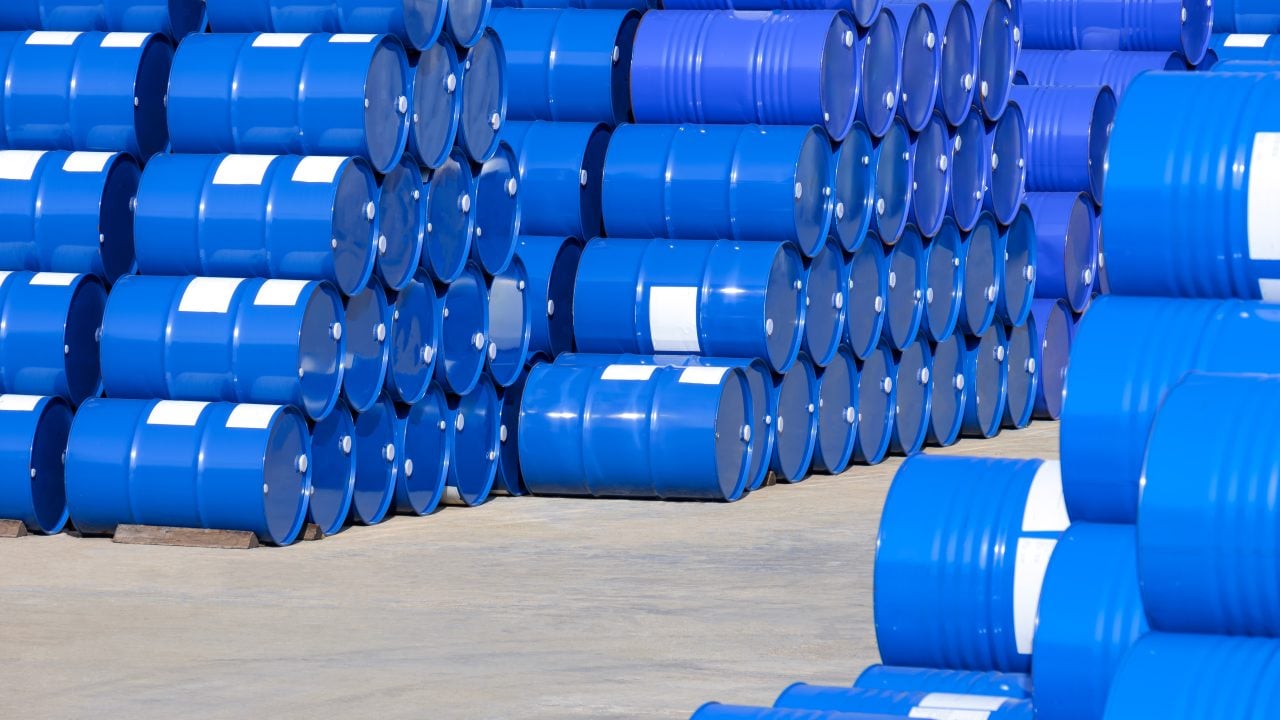
Fuel Additives
Cold-flow improvers, fuel antioxidants and stabilizer chemistry for diesel, gasoline, biodiesel blends and stored fuels — with metal deactivators for fuel supply infrastructure.
View Fuel Additives →
Metalworking Fluid Additives
EP additives, emulsifiers, rust inhibitors, foam control and corrosion protection for soluble oils, semi-synthetics and neat cutting oils — ferrous and non-ferrous safe.
View Metalworking Additives →
Oilfield & Drilling Chemicals
Chemical additives for drilling fluids, produced-water handling, scale and corrosion control and oilfield support formulations — with export documentation for international operations.
View Oilfield Chemicals →
Mining Chemicals
PIBSA-based emulsifier chemistry and selected mineral-processing additives for emulsion-explosive manufacturing and froth flotation.
View Mining Chemicals →Industry Application Hubs
Each industry hub goes deeper than the product catalog — chemistry challenges, selection guides, application matrices and technical FAQs for buyers and formulators in that specific market.
Fuel & Refinery Additives — Industry Hub
Cold-flow chemistry (CFI vs PPD), oxidation stability for FAME biodiesel blends, rust inhibitors for storage systems and metal deactivators for fuel supply infrastructure — across mineral diesel, biodiesel blends, gasoline and heavy fuel oil, with a comparative CFI vs PPD decision guide.
View Fuel Industry Hub →Metalworking Lubricant & Fluid Chemistry — Industry Hub
The five chemistry challenges of metalworking-fluid formulation (EP, emulsification, rust, foam, corrosion), additive requirements by fluid type (neat oil vs soluble oil vs semi-synthetic vs rolling lubricant) and a ferrous vs non-ferrous substrate selection guide.
View Metalworking Industry Hub →Oilfield Chemical Additive Supplier — Industry Hub
Chemistry for drilling-fluid management, produced-water treatment, scale inhibition and oilfield corrosion control — the distinct requirements of each process stage and the documentation needed for chemical supply into international oil & gas operations.
View Oilfield Industry Hub →Mining & Explosives Chemicals — Industry Hub
PIBSA emulsifier chemistry for emulsion-explosive manufacturing, froth-flotation collectors and grinding-aid chemistry for mineral processing — including emulsion-explosive fundamentals, ANFO vs emulsion comparison and a flotation-collector selection guide.
View Mining Industry Hub →Manufacturing and Sourcing Model
CheMost operates its own chemical-additive manufacturing base in Jinzhou, China. Core materials in our established production families are supplied factory-direct with batch COA, TDS and GHS SDS support.
For specialty applications where the requested chemistry is outside our own manufacturing scope, we work through qualified sourcing channels and state this clearly during quotation. This mixed model lets buyers consolidate sourcing while keeping full clarity on which products are manufactured by CheMost and which are externally sourced — the distinction is made before order confirmation, not hidden behind a single label.
Why CheMost — Clarity on What You’re Buying
We state what we can document. Each grade’s data comes from its TDS; where a value is not confirmed we mark it “on request” rather than estimate. Test methods and chemistry on this page are public references — not CheMost claims of ownership. We are transparent about the manufacturing-versus-sourcing status of every line, prepare IMDG / IATA dangerous-goods documentation where required, and provide REACH / TSCA substance identity on request. We do not issue ISO 9001 certificates, factory-audit documentation or CICS registration documents, and we say so up front.
Many specialty-chemical applications draw on chemistry shared with CheMost’s Additive Components catalog — antioxidants, corrosion inhibitors, EP additives and emulsifiers appear in both lubricant and non-lubricant applications at different treat rates and with different test requirements. For the lubricant axis see Industrial Lubricants and Automotive Lubricants; for everything by sector, the Solutions by Industry hub.
Frequently Asked Questions
How does CheMost’s specialty chemicals range differ from its lubricant additive range?
The lubricant additive range (detergents, dispersants, ZDDP, antioxidants, VI improvers and packaged engine and gear oil formulations) is designed for finished lubricating oils that go into engines and mechanical systems, measured against API, ACEA, JASO or OEM specifications using standardized bench engine and ASTM rig tests. The specialty chemicals range serves process fluids and industrial applications — fuel blending terminals, metalworking-fluid manufacturers, oilfield service companies and mining operations — where requirements and test methods are different (CFPP, Rancimat oxidation, four-ball for metalworking EP, humidity-cabinet rust, emulsion stability, and so on). Many chemistries overlap (antioxidants, corrosion inhibitors, EP additives), but treat rates, solubility systems and documentation needs differ significantly. State your application clearly so we can direct you to the right product family and test data.
Which of these products does CheMost actually manufacture, and which are sourced?
Our core production families — including PIBSA-based mining emulsifiers, fuel antioxidants, and EP additives shared with the lubricant component range — are manufactured at our Jinzhou base and shipped factory-direct with our own batch COA and manufacturing documentation. Some specialty grades, particularly highly application-specific oilfield and mining chemistries, fall outside our own production scope; those we supply through qualified sourcing partners with their documentation set. We identify which is which during quotation, before you confirm an order — so you always know whether a given line is CheMost-manufactured or externally sourced.
Can CheMost supply both manufactured and sourced specialty chemicals in one order?
Yes. CheMost manages orders that include both in-house manufactured and externally sourced materials, clearly identifying which items are factory-direct and which are sourced through qualified suppliers. The distinction is stated during quotation, before order confirmation. Consolidating both types into a single shipment and invoice is possible for most destinations, subject to hazard classification and packaging compatibility.
What documentation does CheMost provide for specialty chemical shipments?
Every commercial shipment is supported by a TDS (physical and chemical properties with available performance data), a GHS SDS (handling, transport classification, regulatory compliance), a per-batch COA, and a Certificate of Origin for customs. For materials classified as dangerous goods under IMDG (sea) or IATA (air), the required transport documentation is prepared. Buyers requiring TSCA or REACH CAS / substance-identity information can request it during evaluation. We do not produce ISO 9001 certificates, factory-audit documentation or CICS registration documents.
What is the minimum order quantity and lead time for specialty chemical products?
MOQ and lead time depend on the specific product and its manufacturing status. Standard manufactured grades (PIBSA-based mining emulsifiers, fuel antioxidants, EP additives from the lubricant component range) are typically available from 200 kg (one drum) with 7–14 business days lead time. Products with lower production volume may require IBC (1,000 kg) minimums or longer lead times, confirmed during quotation. Trial samples of 1–5 kg are available for qualified evaluation buyers at no charge. Contact us with the product, quantity and destination for a specific confirmation.
Can CheMost ship specialty chemicals classified as dangerous goods?
Yes. CheMost regularly exports materials classified as flammable (Class 3), corrosive (Class 8) and environmentally hazardous. We prepare IMDG/IMO dangerous-goods documentation for sea freight and IATA documentation for air freight. Specify the destination port and shipping mode (sea / air / land) during enquiry so we can confirm the classification and documentation requirements for your trade lane. Certain destinations require additional regulatory pre-notification or import-license support — we flag any known requirements during quotation.
Specify the application — we’ll route you to the chemistry
Give us the market, target chemistry or function, destination country and required documentation. Our technical team responds within 12 hours with product options, sampling availability and relevant specification data — and tells you which grades are manufactured versus sourced.
Request a Free Sample Get a QuoteAbout this hub & our data. The test methods and chemistry on this page are public references — not CheMost measurements. Each grade’s data comes from its supplier TDS; where a value is not confirmed for a grade, we mark it “on request” rather than estimate. CheMost is a manufacturer and sourcing partner established in 2013; the manufacturing-versus-sourcing status of every line is stated on quotation, and we do not issue ISO 9001, factory-audit or CICS registration documents. Last reviewed June 2026 · CheMost technical team.
Explore Other Product Lines
From single-function additives to ready-to-blend packages and specialty chemistries — explore the full CheMost range.