CheMost supplies the upstream chemistry of mining — not finished explosives or flotation packages. Our core is the PIBSA-derived emulsifier that stabilises emulsion explosives, plus EP additives and PIB tackifiers for the open gears, ropes and bearings of draglines, shovels and crushers. Flotation and grinding chemistry are covered here as background for circuit designers. Factory-direct from Jinzhou, China.
Four Chemistry Domains in Mining Chemical Supply
Mining uses specialty chemicals across the full extraction and processing chain — from the blast hole to the mill circuit and the final concentrate — spanning emulsion physics, mineral surface science and heavy industrial tribology. Each area has distinct performance requirements, evaluation methods and regulatory constraints.
Upstream components, not finished explosives or flotation packages
CheMost’s mining focus is the upstream chemical-supply side: PIBSA-derived emulsifiers for emulsion-explosive manufacturers and EP additives and PIB tackifiers for heavy-equipment lubrication. Flotation reagent and grinding-aid chemistry are described here for circuit designers, but we supply chemical components and raw materials — not finished explosive products, flotation reagent packages or blasting services. Final formulation, manufacturing and regulatory compliance rest with the licensed operator.
Emulsion Explosive Manufacturing
PIBSA-derived emulsifiers stabilise the ammonium-nitrate oxidiser phase within the hydrocarbon oil matrix, controlling droplet size, stability over time and temperature, and initiation sensitivity. This is the primary chemistry CheMost supports in mining.
Froth Flotation Reagents
Collectors render mineral surfaces hydrophobic so bubbles carry the target mineral to the froth. Xanthate and dithiophosphate collectors for sulfides; fatty-acid types for oxides; frother and modifier chemistry completes the suite. Covered here as background.
Grinding Aid Chemistry
Polar organics (amino alcohols, glycols, polyol-amine blends) adsorb onto freshly fractured surfaces in ball and vertical roller mills, preventing agglomeration and re-cementation — improving throughput and specific energy.
Mining Equipment Lubrication
Draglines, shovel gearboxes, haul-truck drives, conveyor chains and crusher bearings run under extreme load, slow speed and water / dust. Sulfurized EP and high-MW PIB tackifiers are the core chemistry for open-gear, wire-rope and heavy grease in mining.
What an Unstable Emulsion — or a Stripped Gear — Costs
Mining chemistry fails in expensive places: a blasthole that misfires after water ingress, a dragline gear run dry after the lubricant flings off, a bearing seized under shock load. The additive is where each is controlled.
Tell us your emulsion type and down-hole temperature, or your open-gear / bearing duty, and we’ll name the PIBSA grade or EP / tack chemistry and a starting treat rate.
Application Requirements by Mining Sector
Chemistry differs between explosive manufacturing, mineral processing and equipment lubrication. Start from the application.
| Sector | Application | Dominant chemistry | CheMost role |
|---|---|---|---|
| Emulsion explosive mfg | bulk emulsion & heavy ANFO | PIBSA emulsifier 1.5–3% + Span 80 co-emulsifier | PIBSA emulsifiers |
| Froth flotation | sulfide / oxide ore separation | xanthate / DTP collectors, frothers, depressants | background only — not supplied |
| Cement & mineral grinding | ball mill / VRM throughput | amino-alcohol grinding aids (TEA / TIPA) | background only — not supplied |
| Mining equipment | open gear, wire rope, bearings | sulfurized EP + high-MW PIB tackifier | EP · PIB tackifiers |
Flotation and grinding chemistry are described for circuit designers; CheMost supplies the PIBSA emulsifier and equipment-lubrication components, not finished explosives, flotation reagent packages or grinding-aid blends.
CheMost Components for Mining Applications
Three component families cover CheMost’s mining supply. Product pages give grade specifications, treat rates and documentation; the mining chemicals overview covers PIBSA emulsifier grade comparison and scope.
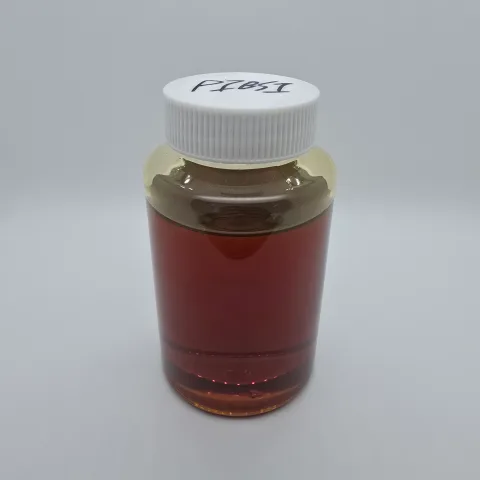
PIBSA Emulsifiers for Explosive Formulation
PIBSA (polyisobutylene succinic anhydride) reacted with polyol amines (diethanolamine or triethanolamine) gives the oil-soluble emulsifier that stabilises the ammonium-nitrate oxidiser within the hydrocarbon matrix. Two parameters drive selection: PIBSA molecular weight (Mn ~1,000 for standard emulsions; ~1,300–1,500 for heavy ANFO) and the PIBSA:amine ratio (sets HLB). Span 80 (S80) is a co-emulsifier for fine-droplet control and temperature stability.
- PIBSA Mn ~1,000 — standard bulk emulsion explosive
- PIBSA Mn ~1,300 — heavy ANFO blend stability
- Span 80 (S80) — droplet-size & temperature co-emulsifier
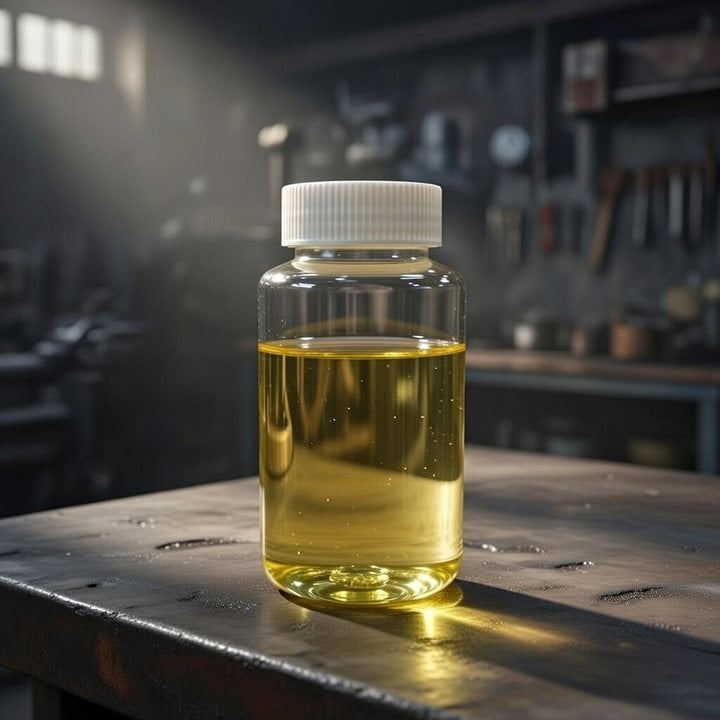
EP Additives for Mining Equipment
Heavy equipment — dragline gearboxes, shovel swing drives, crusher eccentrics, haul-truck finals — runs under extreme load at slow speed with water and abrasive contamination. Sulfurized EP additives prevent metal-to-metal seizure in open-gear compounds and heavy gear oils; controlled-corrosivity grades (ASTM D130 1a) suit mixed metals; ashless phosphorothioate is used for low-sulfur / sensitive mine-site formulations.
View EP Additives →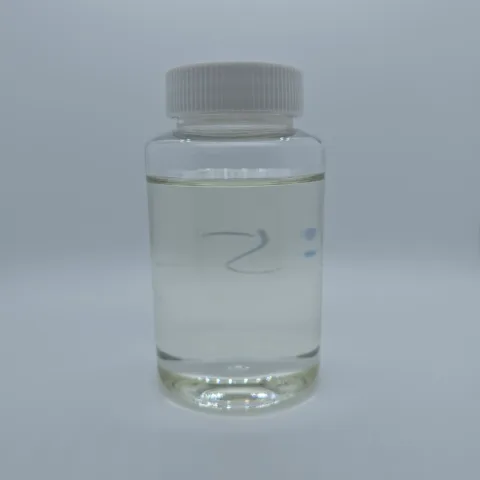
PIB Tackifiers for Mine Equipment Grease
Polyisobutylene (PIB) tackifiers are essential for open-gear and wire-rope lubricants. Draglines and bucket-wheel excavators use open-gear compounds at 5–8 m rack diameters where fling-off under slow rotation strips the lubricant; high-MW PIB gives the string length and fling-off resistance required. Wire-rope lubricants for hoist, drag and fairlead ropes use PIB to hold internal-wire lubrication against wash-off in wet underground mines.
View Tackiness Additives →Flotation collectors, frothers and grinding aids are covered in the FAQ and sector matrix as background — they are supplied by dedicated mineral-processing reagent houses, not by CheMost. Chemistry and governing tests are public references; the confirmed value for any CheMost grade is on its TDS.
Emulsion Explosive Emulsifier Selection Guide
The emulsifier controls emulsion structure. Selecting the PIBSA grade and reaction product means matching molecular weight, HLB and process conditions.
Standard Bulk Emulsion (PIBSA Mn ~1,000)
- Targets standard bulk emulsion — oxidiser droplets in an oil matrix
- PIBSA:amine molar ratio 1:1 to 1:1.2 gives optimal oil-soluble HLB
- Typical treat rate: 1.5–2.0% in the finished emulsion
- Stability: ambient to 40°C for >6 months in bulk storage
- Compatible with Span 80 (0.3–0.5%) for finer droplet size
Heavy ANFO Blends (PIBSA Mn ~1,300–1,500)
- Higher MW PIBSA gives a stronger interfacial film for ANFO-blending resistance
- Heavy ANFO (30–70% emulsion in ANFO prill) needs an emulsion that survives mechanical mixing
- Typical treat rate: 2.0–3.0% in the emulsion matrix
- Temperature stability: must hold structure at 50°C during pumping
- Send your ANFO blend ratio and down-hole temperature for a grade recommendation
Emulsion explosive formulation requires qualified process equipment and safety-trained personnel. CheMost supplies emulsifier components only — final formulation, manufacturing process and regulatory compliance are the responsibility of the licensed explosive manufacturer.
How a Mining Grade Is Judged
Mining components are qualified against the property that matters for the duty. These are the measures a grade is assessed by; the confirmed result for a CheMost grade is on its TDS.
| Property | What it measures | Applies to |
|---|---|---|
| Emulsion droplet size | oxidiser droplet distribution (< 10 µm for cap-sensitive) | PIBSA emulsifier |
| Emulsion stability | structure held at 40–50°C over storage / pumping | PIBSA emulsifier (Mn) |
| HLB / amine ratio | oil-soluble balance & emulsion type | PIBSA:amine reaction product |
| Four-Ball EP — ASTM D2596 | weld point / load-wear (equipment EP) | EP additive |
| Copper corrosion — ASTM D130 | yellow-metal attack from active sulfur | EP additive selection |
| Tack / string length | fling-off resistance on open gears | PIB tackifier (MW) |
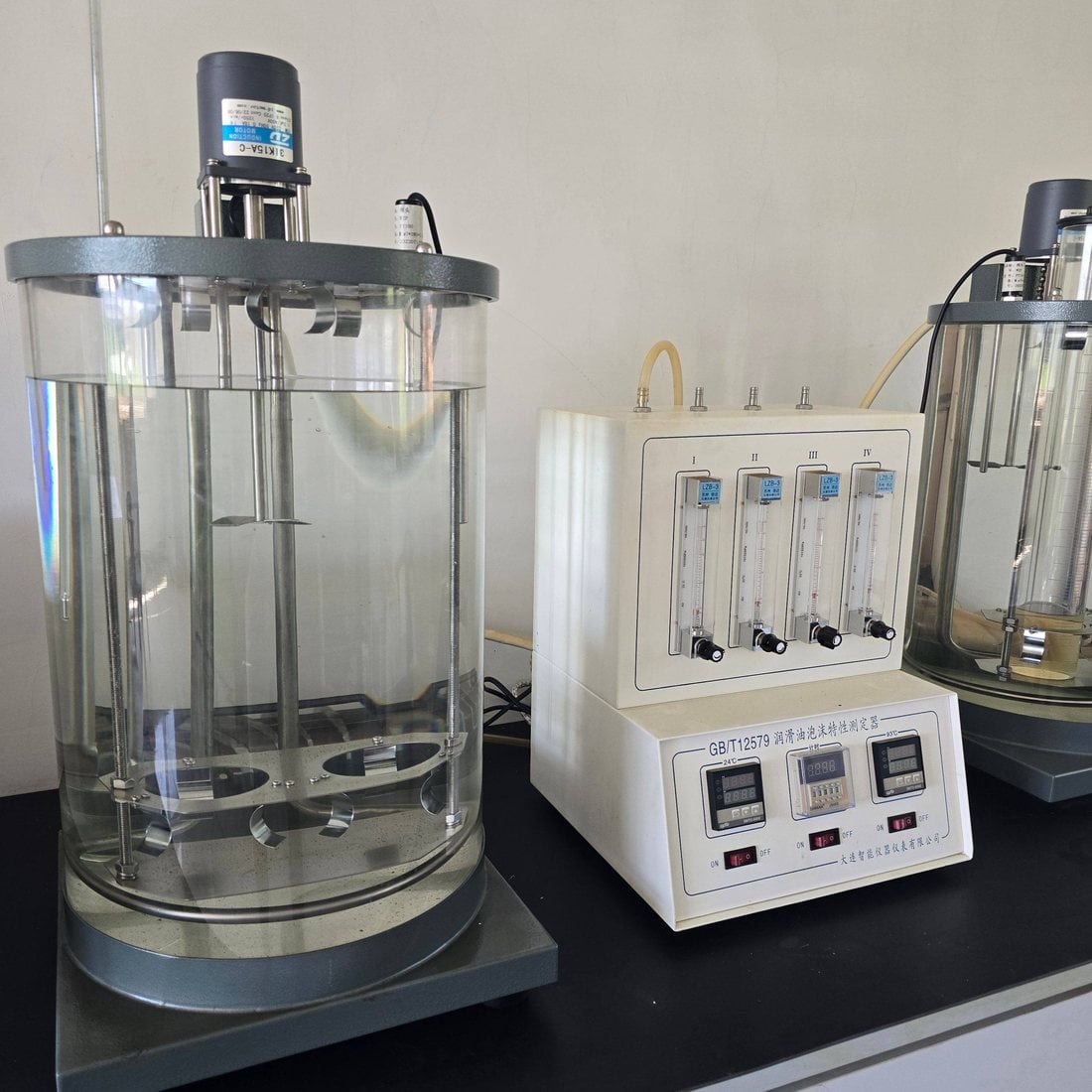
“An emulsifier is proven in the emulsion, and an EP additive in the gear — so we confirm the grade against its data sheet and recommend you confirm emulsion stability in your own matrix. Every batch ships with a COA against its TDS, and a third-party SGS report is available on request.”
CheMost technical team
- Batch COA against the grade TDS with every shipment
- Active content, amine ratio / HLB for PIBSA; active sulfur (D1662) and copper corrosion (D130) for EP
- Third-party SGS report on request; emulsion stability and detonation qualification rest with the licensed explosive manufacturer
Treat Rates in Mining Chemistry — Function by Function
Treat rates differ sharply between the explosive emulsion and the equipment lubricant. Both are confirmed against the finished product:
| Component | Typical treat rate | Primary role |
|---|---|---|
| PIBSA emulsifier (standard) | ~1.5–2.0% of emulsion | oxidiser-droplet stabilisation |
| PIBSA emulsifier (heavy ANFO) | ~2.0–3.0% of emulsion | interfacial film for blending resistance |
| Span 80 (S80) co-emulsifier | ~0.3–0.5% of emulsion | fine droplet size, temperature stability |
| Sulfurized EP (equipment) | ~2–5% of grease / gear oil | shock-load anti-seizure |
| PIB tackifier (open gear) | ~3–10% of compound | fling-off resistance, adhesion |
Ranges are typical industry figures; the exact treat rate for a CheMost grade is on its TDS, and the treat-rate calculator sizes a dose to your batch.
Components for Mining
CheMost supplies mining chemistry as individual components — PIBSA emulsifiers and Span 80 for emulsion-explosive manufacturers, and sulfurized EP additives and PIB tackifiers for the heavy-equipment lubricants used in mining service. Each ships as a standalone concentrate with full TDS, SDS and COA, and dangerous-goods documentation where required.
For emulsifiers, tell us the emulsion type (standard bulk or heavy ANFO), the ANFO blend ratio and the down-hole temperature; for equipment, the duty (open gear, wire rope, bearing) and base lubricant. We recommend a grade and starting treat rate, supply samples for confirmation in your own matrix, and you scale from there. See the mining chemicals catalog and full component range for listings. We do not supply finished explosives, blasting services or flotation reagent packages.
Why CheMost — Clear Scope, Documented Data
We state what we can document and what we supply. Grade data comes from each product’s supplier TDS; where a value is not confirmed for a grade we mark it “on request” rather than estimate. The chemistry and test methods on this page are public references — not CheMost claims of ownership. CheMost supplies emulsifier and lubrication components, not finished explosives, blasting services or flotation reagent packages; final explosive formulation, manufacturing and regulatory compliance rest with the licensed operator in the destination country. What we provide is documented component chemistry, backed by batch COA, optional SGS testing and treat-rate support.
This industry hub aggregates mining chemistry from CheMost’s Specialty Chemicals and Additive Components catalogs. PIBSA emulsifiers are in the Specialty Chemicals range; EP additives and tackiness additives for mining equipment are in the Additive Components range. For the other specialty markets see Fuel, Metalworking and Oilfield.
Frequently Asked Questions
Does CheMost supply finished explosives or flotation reagents?
No. CheMost supplies upstream chemical components — principally the PIBSA-derived emulsifier used to make emulsion explosives, plus EP additives and PIB tackifiers for mining-equipment lubricants. We do not manufacture or sell finished explosive products, detonators, blasting services, or packaged flotation-reagent suites. Flotation collectors, frothers and grinding aids are described on this page as background for circuit designers, but they are supplied by dedicated mineral-processing reagent houses. Final explosive formulation, manufacturing and all blasting-related regulatory compliance are the responsibility of the licensed explosive manufacturer and operator in the destination country.
How does PIBSA function as an emulsifier in emulsion explosives?
PIBSA (polyisobutylene succinic anhydride) is not used directly — it is a precursor reacted with polyol amines (typically diethanolamine or triethanolamine) to produce the finished emulsifier. The product is an oil-soluble amphiphile: the long polyisobutylene chain dissolves in the hydrocarbon oil phase, and the polar amine-succinate head orients toward the ammonium-nitrate droplets at the oil-water interface, forming a film that stabilises the water-in-oil emulsion (oxidiser solution dispersed in oil). The film must hold structure at storage temperatures (up to 40°C) and resist coalescence during pumping and blasthole loading. PIBSA molecular weight (Mn ~1,000 vs ~1,300–1,500) controls film thickness, interfacial viscosity and resistance to mechanical disruption — higher Mn gives stronger films but higher oil-phase viscosity.
What is the difference between ANFO and emulsion explosives, and why are different emulsifiers needed?
ANFO (ammonium nitrate / fuel oil) is a dry blend — porous AN prill with ~6% fuel oil — simple and effective in dry holes but poor in wet holes because water dissolves the prill. Emulsion explosives disperse a supersaturated AN solution as ~5–10 µm droplets in an oil matrix, sequestering the water and making the explosive water-resistant. Heavy ANFO blends mix emulsion matrix (30–70%) into ANFO prill to balance ANFO economy with emulsion water resistance. A pure-emulsion emulsifier must tolerate the heat of emulsification (70–80°C) and hold stability without the mechanical reinforcement of prill; heavy-ANFO emulsifiers must survive mechanical mixing without breaking — typically requiring higher-MW PIBSA (Mn ~1,300–1,500).
How are froth flotation collectors selected for different mineral types? (background)
Collector selection is driven by the target mineral’s surface chemistry and selectivity against gangue. Xanthate collectors (ethyl, isopropyl, isobutyl, amyl) chemisorb onto sulfide surfaces (chalcopyrite, galena, sphalerite, molybdenite), forming a hydrophobic metal-xanthate coating; selectivity is tuned by chain length, pH (copper at pH 9–11 with lime; lead-zinc at pH 7–9) and depressants (soda ash for pyrite, cyanide for sphalerite). Dithiophosphates are weaker but more selective — used for Cu-Mo separation. Fatty-acid collectors (oleate, tall oil) serve oxide ores (iron, phosphate, fluorite). Frothers (MIBC, polyglycols, pine oil) control bubble size independent of the collector. CheMost provides this as background; we do not supply flotation reagents.
What documentation does CheMost provide for mining chemical shipments?
Every commercial shipment is supported by a TDS (chemical identification, physical properties, available performance data); a GHS SDS (handling, transport classification, regulatory compliance); a per-batch COA; and a Certificate of Origin for customs. For PIBSA and related reactive intermediates classified as dangerous goods, IMDG transport documentation is prepared for sea freight. EP additives and PIB tackifiers carry active-sulfur (ASTM D1662) and copper-corrosion (ASTM D130) data in the TDS where relevant. Substance identity and CAS information for import regulatory purposes can be requested during evaluation. We do not supply finished explosive products, blasting certificates or explosive-handling licences — those rest with the licensed explosive manufacturer.
What is CheMost’s MOQ and lead time for mining chemicals?
PIBSA-based emulsifiers and Span 80: standard stocked grades ship within 7–14 business days; MOQ is typically 200 kg (one drum) for evaluation or 1,000 kg (IBC) for production. EP additives and PIB tackifiers: the same 7–14 day lead time and 200 kg drum MOQ. Free 1–5 kg trial samples for laboratory emulsion trials are available for qualified buyers. Contact sales with the product, quantity, destination port and HS-code requirements for a specific confirmation; some specialty mining chemicals outside the core PIBSA / EP / PIB range may require 21+ day lead times, confirmed during quotation.
Tell us the emulsion or the equipment — we’ll name the grade
Give us your emulsion type and down-hole temperature, or your equipment duty and base lubricant; we’ll recommend the PIBSA grade or EP / tack chemistry and a starting treat rate, then send the TDS, SDS and a sample. Samples in 1 kg and 5 kg; bulk in 200 kg drums and 1000 kg IBC.
Request a Free Sample Get a QuoteAbout this hub & our data. The chemistry and test methods on this page are public references (ASTM and industry practice) — not CheMost measurements. Failure-mode descriptions reflect published engineering rationale, cited as such. Grade specifications come from each product’s supplier TDS; where a value is not confirmed for a grade, we mark it “on request” rather than estimate. CheMost is a manufacturer and sourcing partner established in 2013, supplying emulsifier and lubrication components only; finished explosive formulation, manufacturing, blasting services and regulatory compliance rest with the licensed operator. Flotation and grinding chemistry are described as background and are not supplied by CheMost. Last reviewed June 2026 · CheMost technical team.
Browse our Mining Chemicals products →
Explore Other Industries
CheMost serves formulators and blenders across every major lubricant and specialty-chemical sector. Open any industry to see the additives, packages, and application guidance built for it.