Lubricant Additive Components
CheMost supplies olefin copolymer (OCP) viscosity modifiers — the temperature-responsive polymers, also called viscosity index improvers (VIIs) or simply “oil thickeners”, that let a single oil behave like a light oil when cold and a heavier oil when hot.
These are additive components for lubricant formulators — the polymer that turns a base oil into a multigrade. The range is built on OCP, the workhorse VM chemistry, in two forms: ready-to-blend liquid concentrates across a range of shear-stability (SSI) tiers, and economical solid bales. Choose by shear stability and form below, then open a product page for documentation.
Browse CheMost Viscosity Index Improvers
Start with the product family that best matches your formulation target. Each product page goes deeper into the exact grade, properties, and documentation.
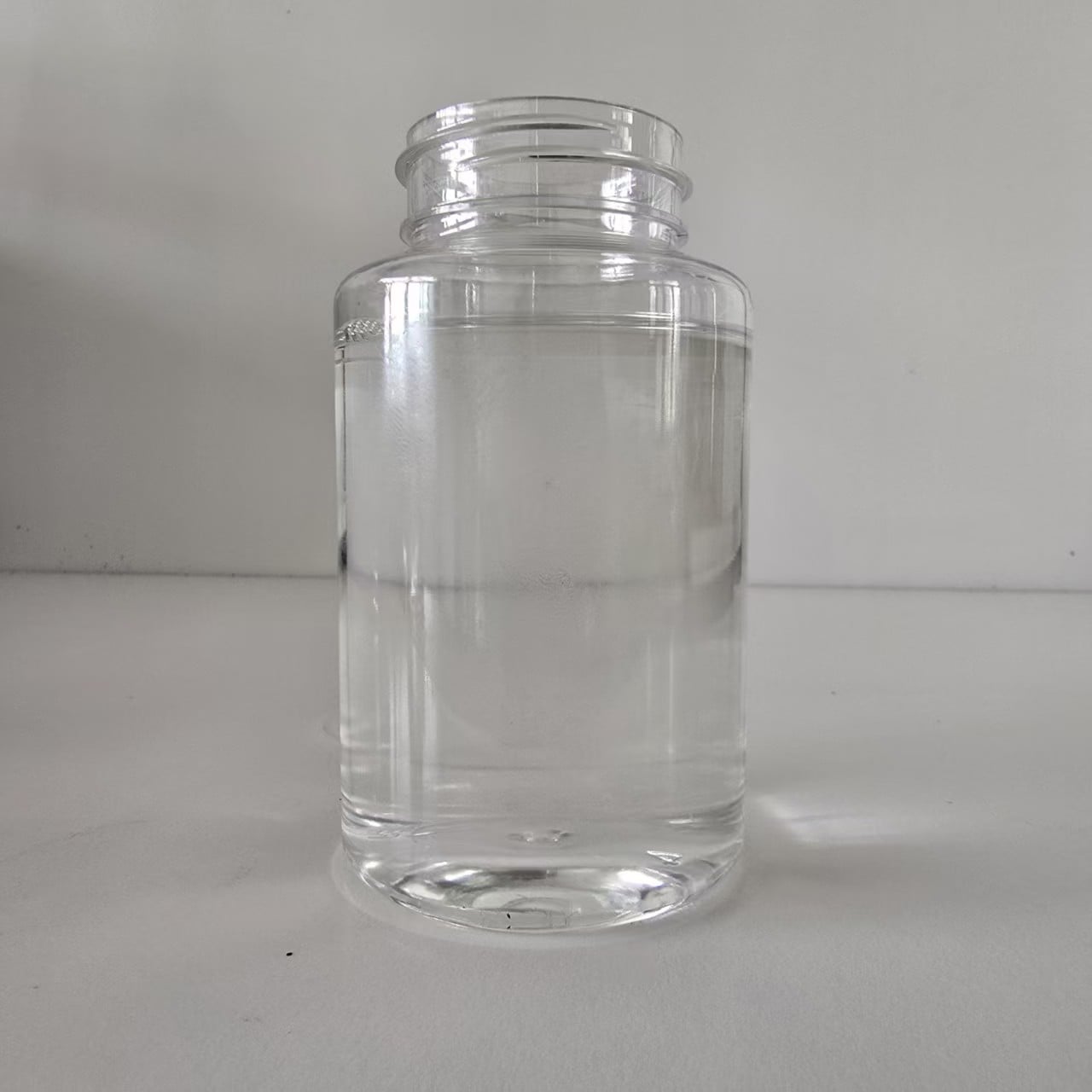
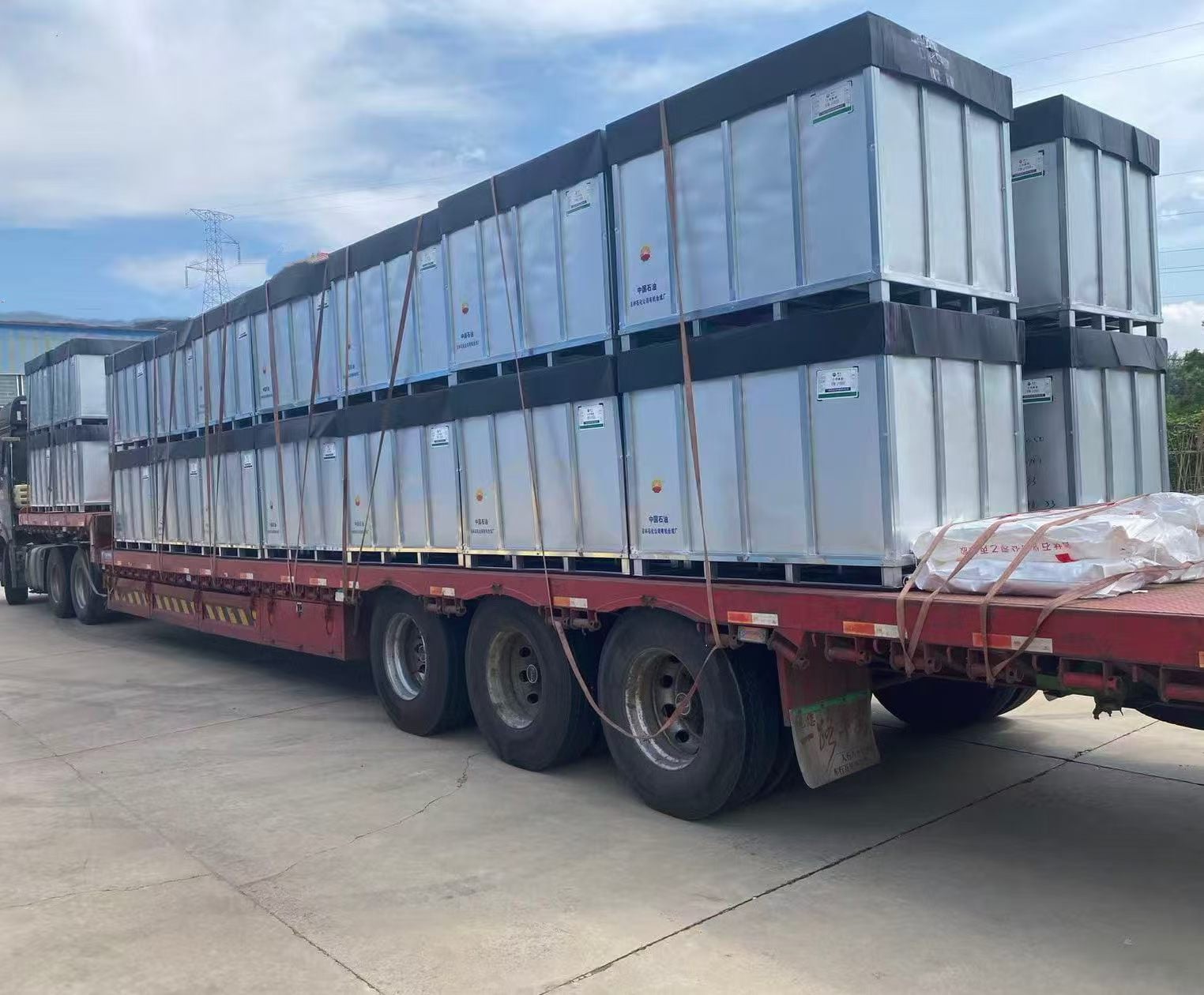
What a Viscosity Modifier Does
Every oil thins as it heats up. A viscosity modifier is a long polymer that pushes back on that change: cold, the coil is tight and contributes little viscosity; hot, it expands and thickens the oil. The result is a higher viscosity index — a smaller drop in viscosity from cold to hot — which is exactly what makes a multigrade oil possible. An SAE 10W-40, for example, keeps the cold pumpability of a 10W while delivering the hot film of a 40, with no “40” base oil involved — just a 10W base oil plus the right viscosity modifier.
That is the easy part, and every explainer covers it. The harder, money-saving part is choosing which viscosity modifier — and that comes down to one trade-off.
The Core Trade-off: Thickening Efficiency vs Shear Stability
A viscosity modifier is a polymer, and polymers can be torn apart by the shearing forces in a pump, a gear mesh or a piston ring. When that happens the chains break, the oil permanently loses viscosity, and it can drop out of grade. This sets up the single most important selection axis:
- Higher molecular weight → higher thickening efficiency (less polymer needed to hit the viscosity target) but lower shear stability (more permanent viscosity loss in service).
- Lower molecular weight → higher shear stability (it stays in grade) but lower thickening efficiency (you need more polymer to reach the same viscosity).
This is captured by the shear stability index (SSI) — the fraction of the polymer’s viscosity contribution that is lost under standardised shear (measured by the Kurt Orbahn injector-shear method, ASTM D6278). A lower SSI means a more shear-stable, more durable modifier; a higher SSI thickens harder per kilogram but degrades faster. Commercial OCP viscosity modifiers span roughly SSI 23–55. Picking the SSI tier for your application — and accepting the polymer-cost trade that comes with it — is the heart of viscosity-modifier selection.
Viscosity-Modifier Chemistries — Where OCP Fits
Several polymer families are used as viscosity modifiers. It helps to know the landscape before choosing:
- Olefin copolymer (OCP) — ethylene-propylene copolymer. The dominant engine-oil VM by a wide margin because of its high thickening efficiency and low cost. CheMost’s range.
- Polymethacrylate (PMA) — excellent low-temperature behaviour and very high VI, and can double as a pour point depressant, but generally more expensive per unit of thickening.
- Hydrogenated styrene-diene / star polymers — very shear-stable, premium-priced specialty modifiers.
- Polyisobutylene (PIB) — an older route, still used in some industrial and gear applications.
For the majority of multigrade engine, gear and hydraulic oils, OCP gives the best balance of thickening efficiency and cost — which is why it holds the largest share of the market. OCP can also be functionalised (dispersant OCP / dispersant-antioxidant OCP) to combine viscosity control with dispersancy or antioxidancy on one molecule.
The CheMost Range — How to Choose
Start with two questions: how shear-stable does the oil need to be (SSI tier), and do you want a ready-to-blend liquid or an economical solid bale?
Liquid OCP concentrate — ready to blend
OCP pre-dissolved in diluent oil, so it pours and blends straight into a batch with no melt-down step. Available across a shear-stability ladder (SSI 20–45) on one product page:
Liquid Olefin Copolymer (OCP) Viscosity Modifier
Grades: VII6000 / VII6000S (SSI 45, highest thickening) · VII8000 (SSI 26) · VII9000 (SSI 20, most shear-stable).
Best for: Ready-to-blend multigrade engine, gear, hydraulic and industrial oils — move down the SSI ladder (45 → 20) as shear severity and drain interval increase.
Solid EPM bale — economical for larger blenders
Solid ethylene-propylene copolymer supplied in bales. The most cost-effective way to buy polymer if you have the equipment to grind and dissolve it in hot diluent oil before blending:
Ethylene-Propylene Copolymer (EPM) Viscosity Index Improver
Grades: J0010 (Mooney 10, SSI 23 — most shear-stable) · J0050 (Mooney 47, SSI 40 — highest thickening efficiency).
Best for: Blenders dissolving the bale in-house to make a custom OCP concentrate, for the lowest polymer cost.
Treat Rate & Formulation Notes
Viscosity modifiers are used at modest levels but have an outsized effect on the whole rheology of the oil:
- Treat rate. Finished multigrade engine oils typically contain well under ~1.5 wt% of actual polymer; a lower-SSI (more shear-stable) grade needs a bit more polymer to reach the same viscosity than a higher-SSI grade. The exact level depends on the viscosity grade, base oil and targets.
- It is a system, not a drop-in. The viscosity modifier has to satisfy hot and cold limits at once — kinematic viscosity, HTHS, cold cranking (ASTM D5293) and pumpability (ASTM D4684). High-ethylene OCPs improve cold viscosity but behave a little like wax at low temperature, so they must be paired with the right pour point depressant for your base oil.
SSI tiers, treat rates and the test methods above are industry-standard references. The right grade, dose and PPD pairing depend on your base oil and viscosity grade — CheMost can advise on selection and a starting point on request.
Common Applications
- Passenger-car multigrade engine oils: fuel-economy viscosity grades where thickening efficiency and cost lead and shear duty is moderate — higher-SSI OCP often fits.
- Heavy-duty diesel engine oils: long drains and high shear demand a more shear-stable (lower-SSI) modifier to stay in grade.
- Gear oils, automatic transmission & power-steering fluids: intense, sustained shear — shear stability is the priority.
- Hydraulic fluids: high-VI all-season fluids for a wide operating-temperature window and pump efficiency.
- Greases & industrial oils: viscosity and film control across temperature.
Need help choosing a viscosity modifier?
Tell us your viscosity grade, base oil group, shear-stability target and whether you blend from liquid or solid. We will point you to the right OCP SSI tier and form, advise on PPD pairing, then share the relevant technical documents.
Request a Sample Get a QuoteViscosity modifiers are specified across Automotive Lubricant and Industrial Lubricant formulations, paired with pour point depressants, dispersants and antioxidants. For deeper background see our viscosity index improver guide, the role of VM in an engine oil additive package and hydraulic-oil viscosity-grade selection.
Quick Reference
What is a viscosity modifier (viscosity index improver)?
It is a temperature-responsive polymer added to a base oil to reduce how much the oil’s viscosity falls as it heats up — raising the viscosity index and making multigrade oils possible. It is also called a viscosity index improver (VII) or, loosely, an “oil thickener”. Cold, the coil contracts and adds little viscosity; hot, it expands and thickens the oil.
What is SSI, and is a higher or lower number better?
SSI (shear stability index) is the fraction of a polymer’s viscosity contribution that is permanently lost under standardised shear (ASTM D6278). A lower SSI means a more shear-stable, more durable modifier that better stays in grade; a higher SSI thickens more efficiently per kilogram but degrades faster. There is no single “best” — it is a trade-off you set by application. Commercial OCP modifiers run about SSI 23–55.
Thickening efficiency vs shear stability — how do I pick?
Match the SSI tier to the shear duty. Passenger-car and light-duty oils with moderate shear can use a higher-SSI OCP for cost-effective thickening; heavy-duty diesel, gear and transmission fluids see severe, sustained shear and need a lower-SSI, more shear-stable grade so the oil stays in grade through the drain interval. A more shear-stable grade simply needs a little more polymer to reach the same viscosity.
OCP or PMA — which viscosity modifier should I use?
OCP (olefin copolymer) is the dominant choice for most multigrade engine, gear and hydraulic oils because of its high thickening efficiency and low cost. PMA (polymethacrylate) offers superior low-temperature performance and can double as a pour point depressant, but generally costs more per unit of thickening. CheMost supplies OCP; for the great majority of formulations it is the most cost-effective route.
Liquid concentrate or solid bale — what’s the difference?
A liquid concentrate is OCP already dissolved in diluent oil, so it blends straight into a batch — convenient and the usual choice. A solid bale is the lowest-cost way to buy polymer but you must grind and dissolve it in hot diluent oil (around 100–130 °C) before blending, so it suits larger blenders with the right equipment. Same chemistry, different handling and economics.
How much viscosity modifier do I need?
Usually well under about 1.5 wt% of actual polymer in a finished multigrade engine oil, with a more shear-stable (lower-SSI) grade needing a little more than a higher-SSI one for the same viscosity. The level is set by the viscosity grade, base oil and targets — and the modifier must be balanced with the pour point depressant to pass cold-cranking and pumpability limits. Our team can suggest a starting point.
Explore Other Additive Components
Every CheMost additive component, at a glance. Build a complete formulation — open any family to see its full product range, grades, and treat rates.