CheMost supplies low-molecular-weight polyisobutylene (PIB) in five molecular-weight grades (Mn 680–3500) — the go-to tackiness additive for open gear oils, chain lubricants, wire rope compounds, and industrial adhesives where “stick-on-metal” performance is non-negotiable.
Browse CheMost Tackiness & Adhesive Additives
Start with the product family that best matches your formulation target. Each product page goes deeper into the exact grade, properties, and documentation.
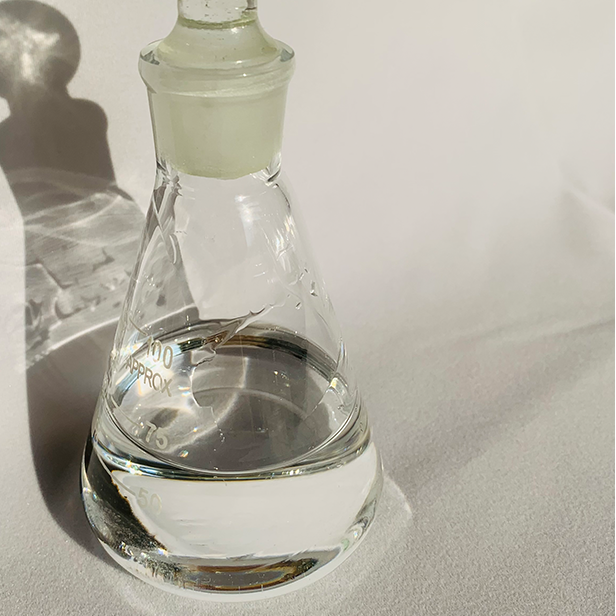
How Tackiness Additives Keep Lubricants on the Metal
Polyisobutylene is a long-chain hydrocarbon polymer (CAS 9003-27-4). When blended into a lubricant, its high-molecular-weight chains entangle with one another and adsorb onto metal surfaces, creating a cohesive, stringy film. This film resists two destructive forces:
- Centrifugal fling-off — in open gears and chain drives running at speed, ordinary oils simply fly off; PIB-thickened films cling.
- Gravitational drip — vertical surfaces (wire ropes, crane jibs, exposed slides) drain bare without a tackifier; PIB holds the lubricant in place between service intervals.
Molecular weight controls the balance of tackiness, viscosity contribution, and low-temperature flow. CheMost offers four grades so formulators can match the polymer precisely to their viscosity target and ambient temperature range.
PIB Grade Families at a Glance
Low-Mn Grades — PIB 680 & PIB 950
Number-average molecular weight 680–950. These grades flow readily at ambient temperature, making them easy to blend and package. They add a defined tackiness and a modest viscosity uplift — ideal for chain lubricants, chainsaw bar oils, and open-gear formulations where handling ease matters.
- Lower pour-point impact, easier cold-weather pumping
- Good compatibility with mineral base oils and many synthetics
- Sealant and tape-adhesive applications
Medium-Mn Grade — PIB 1300
Mn ≈ 1,300 occupies the sweet spot: strong tackiness performance plus a meaningful viscosity-index contribution. PIB 1300 qualifies for demanding wire-rope lubricants, open-gear greases, and electrical-insulation compounds where both adhesion and VI improvement are specified.
- Dual function: tackiness agent + VI improver
- Waterproof material formulations
- Adhesive tape and adhesive-sealant binders
High-Mn Grades — PIB 2400 & PIB 3500
Mn ≈ 2,400–3,500 delivers the highest polymer chain entanglement and the most pronounced “stringiness.” Suitable for heavy-duty open-gear lubricants on kilns and mills, as well as specialty adhesives where maximum fling-off resistance is required even under high-speed or high-temperature conditions.
- Exceptional anti-fling-off in extreme duty cycles
- High-load open gear and wire-rope compounds
- Maintains fluidity despite very high viscosity contribution
Common Application Areas
- Open Gear Lubricants Kilns, ball mills, sugar mills, and ring gears require high-viscosity, tacky compounds that cling under rotation — PIB 1300 and 2400 are the standard choice.
- Wire Rope & Cable Lubricants PIB films penetrate strands and stay put on vertical runs, reducing corrosion and internal wire fatigue.
- Chain & Conveyor Oils Low-Mn PIB grades keep oil on chain pins and rollers without excessive build-up or sling-off.
- Chainsaw Bar Oils PIB 680 and PIB 950 are widely specified by chainsaw OEMs for biodegradable and mineral chain-bar oil formulations.
- Adhesives, Sealants & Tapes Hot-melt adhesives, butyl sealants, and pressure-sensitive tape backing compositions use PIB as the primary tackifying resin.
- Electrical Insulation Compounds PIB 1300 is used in cable-filling compounds and moisture-sealing materials for its dielectric stability and water resistance.
- Grease & Forming Lubricants Added to grease bases to improve string length and prevent separation on vertical or oscillating equipment.
Grade Selection Checklist
Use these six criteria to narrow down the right PIB grade for your formulation:
- Required string length / tackiness level — higher Mn = longer strings and stronger fling-off resistance (PIB 2400 > 1300 > 950 > 680).
- Finished oil viscosity target — if you also need viscosity contribution, PIB 1300 and 2400 add meaningful VI; 680 and 950 give less uplift.
- Operating temperature range — low-Mn grades retain fluidity at lower temperatures; high-Mn grades may need warming for cold climates.
- Blending and handling — PIB 680 and 950 are easiest to pump and blend at room temperature; 2400 typically requires heated mixing.
- Base oil compatibility — all CheMost PIB grades are compatible with Group I–III mineral oils; confirm compatibility with PAO or ester bases before scaling.
- Treat rate — typical use levels are 1–5 wt% for tackiness, 5–15 wt% if dual-function VI improvement is needed; request TDS for specific guidance.
Need a Sample or TDS?
CheMost ships PIB samples in 1 kg and 5 kg quantities. Lead time for bulk orders is typically 15–20 days from Jinzhou, China.
Request a Sample Get a QuoteTackiness and adhesive additives are commonly specified in Industrial Lubricant formulations, particularly open-gear, wire rope, and chain lubricants. See our industry hub for related additive chemistry.
Frequently Asked Questions
What is polyisobutylene (PIB) and how does it differ from PIB succinic anhydride (PIBSA)?
PIB (polyisobutylene) on this page refers to the unreacted polymer used purely as a tackiness and adhesive additive. PIBSA is a chemically modified form of PIB reacted with maleic anhydride — it is the precursor to ashless dispersants, not a tackifier. The two serve completely different functions; they are not interchangeable.
Does higher molecular weight always mean better performance?
Not always. Higher Mn gives more tackiness and better fling-off resistance but also raises viscosity, makes cold-temperature handling harder, and increases treat cost per kg. For light-duty chain oils and chainsaw bars, PIB 680 or 950 is often the optimal choice. Reserve PIB 2400 for heavy open-gear and wire-rope applications.
Is PIB compatible with biodegradable base oils (esters, vegetable oils)?
PIB is generally compatible with synthetic esters and vegetable-oil base stocks, but the degree of compatibility depends on polarity, temperature, and treat rate. We recommend bench-testing compatibility at the proposed treat level before formulating at scale. CheMost can supply 1 kg samples for this purpose.
What is the CAS number and typical purity of CheMost PIB grades?
All CheMost PIB grades carry CAS 9003-27-4. Purity is typically >99% polymer (no solvent carrier). The grades are distinguished by their number-average molecular weight (Mn): 680, 950, 1300, and 2400. Full TDS including kinematic viscosity, density, flash point, and pour point is available on request.
Explore Other Additive Components
Every CheMost additive component, at a glance. Build a complete formulation — open any family to see its full product range, grades, and treat rates.