Lubricant Additive Components
CheMost supplies engine oil detergent and TBN-booster additives — overbased metallic detergents that neutralise combustion and oxidation acids, keep hot engine surfaces clean and carry the reserve alkalinity (TBN) a finished oil needs.
The range spans the two workhorse detergent chemistries — calcium and magnesium sulfonates at different base levels, and a sulfurized calcium phenate — built by overbasing with colloidal calcium carbonate. Compare the grades below, then open a product page for the exact specifications and documentation.
Browse CheMost Detergents & TBN Boosters
Start with the product family that best matches your formulation target. Each product page goes deeper into the exact grade, properties, and documentation.
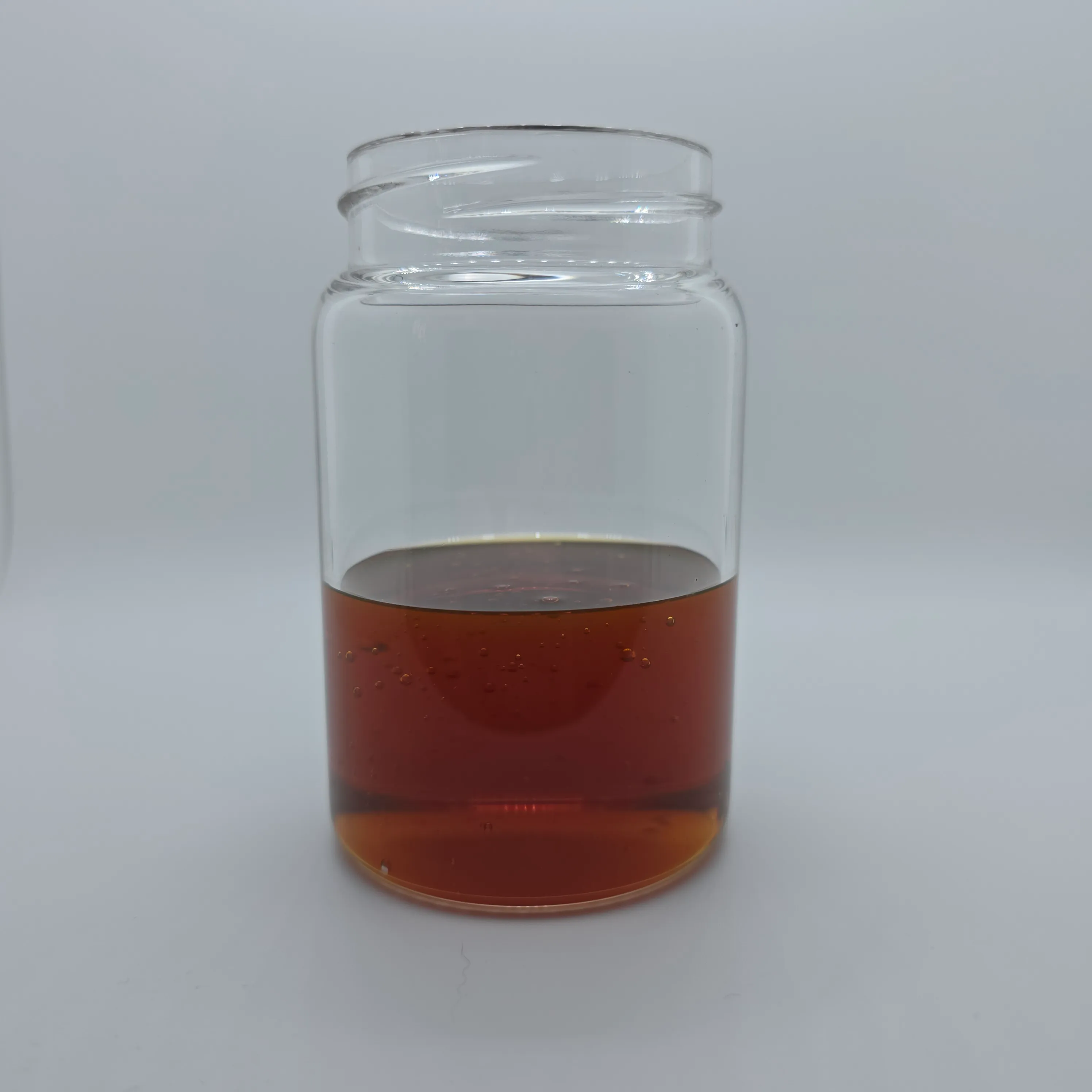
Why Engine Oil Detergents & TBN Boosters Matter
A metallic detergent does two jobs: it neutralises the acids formed when fuel burns and when oil oxidises, and it keeps deposit precursors off hot ring-belt and piston surfaces. The acid-neutralising capacity is measured as Total Base Number (TBN) — and a “TBN booster” is simply a very high-TBN overbased detergent used to lift a package’s reserve alkalinity.
That reserve comes from overbasing: carbon dioxide is blown through a mixture carrying excess metal hydroxide so a large amount of colloidal calcium (or magnesium) carbonate is packed inside a surfactant micelle. The higher the TBN, the more base each unit of treat delivers — so a higher-TBN grade reaches a target finished-oil reserve at a lower treat rate. Detergents work alongside ashless dispersants; the detergent–dispersant balance is the backbone of every crankcase package.
The CheMost Detergent Range
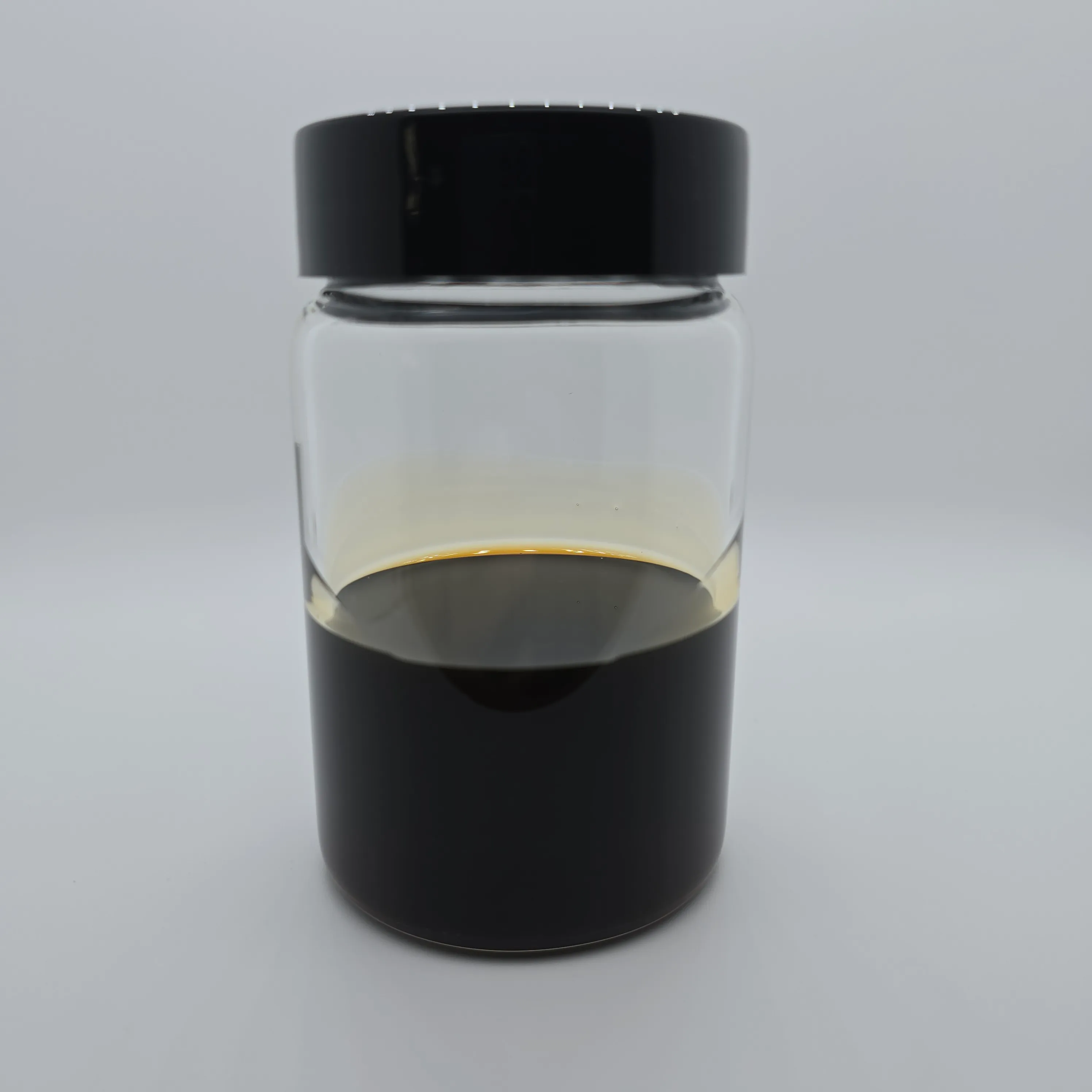
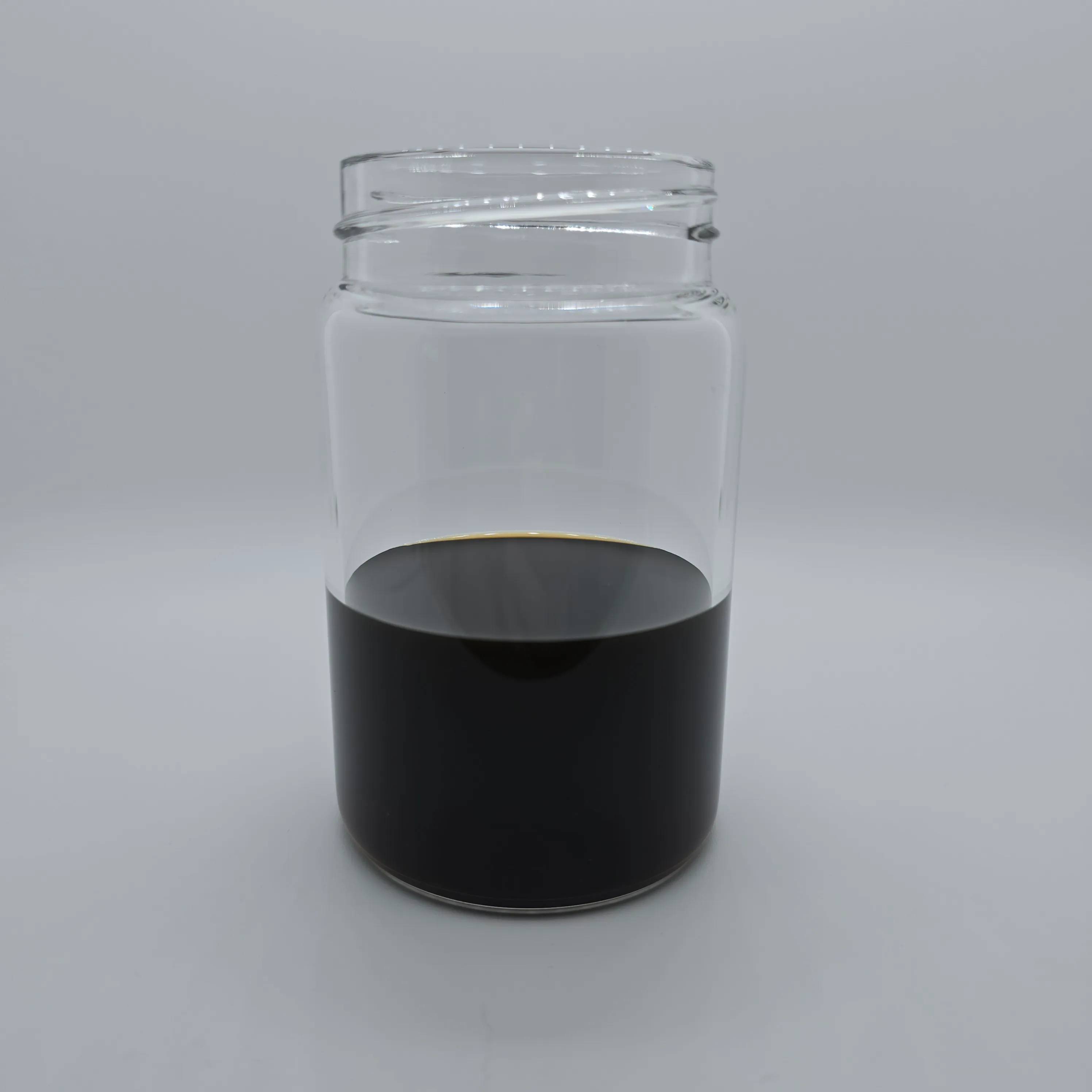
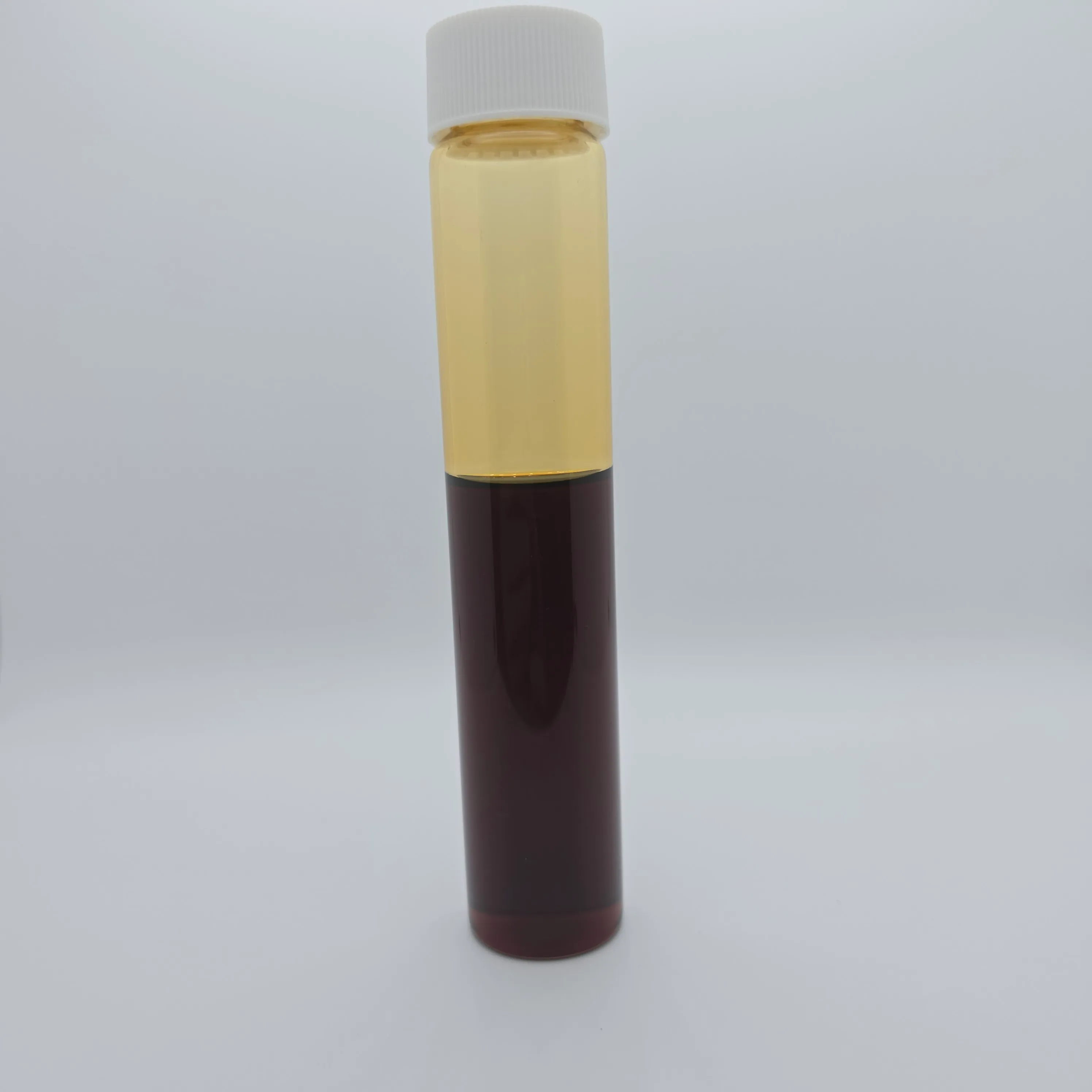
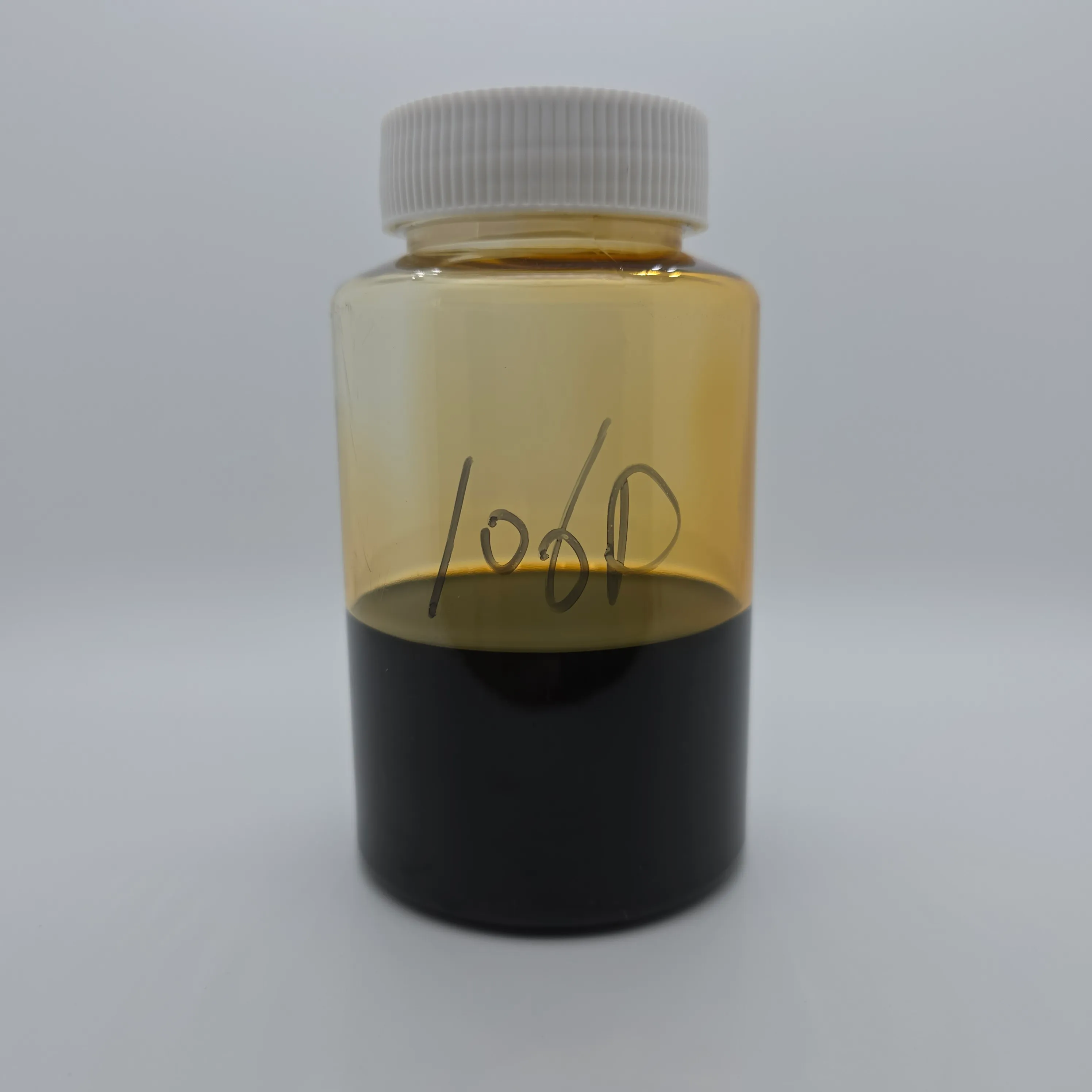
CheMost covers the calcium-sulfonate TBN ladder, a low-ash magnesium grade and a sulfurized phenate. The differences are in chemistry, metal and base level (TBN).
High-Base Calcium Sulfonate
Grade: C300 (TBN 320).
Best for: The balanced workhorse — detergency, acid control and rust protection for extended-drain HDDEO and high-sulphur-fuel oils.
Overbased Calcium Sulfonate
Grade: C400 (TBN 415).
Best for: Maximum base reserve per unit treat — a TBN-booster concentrate for heavy-duty diesel, marine and high-sulphur-fuel packages.
Overbased Magnesium Sulfonate
Grade: M400 (TBN 420).
Best for: A lower-ash base reserve for high-grade gasoline and gas-engine oils, and as an ash-balancing co-detergent.
Sulfurized Calcium Alkyl Phenate
Grade: T122 (TBN 265).
Best for: High-temperature detergency plus sulfur-bridge antioxidancy for turbocharged HDEO, marine cylinder and gas-engine oils; pairs with a sulfonate.
How to Choose the Right Detergent
Three variables decide which detergent fits a formulation — chemistry, metal and base level (TBN). Work through them against your target oil:
- Chemistry — sulfonate vs phenate: sulfonates are the cost-effective workhorse with the best rust protection and water tolerance; a sulfurized phenate adds high-temperature detergency and antioxidancy from its sulfur bridge. Modern packages often blend the two (a salicylate is a third industry route CheMost can source on request).
- Metal — calcium vs magnesium: calcium is the default high-reserve detergent; magnesium delivers a similar base reserve at lower sulphated ash, useful in gasoline and gas-engine oils and for trimming the ash budget.
- Base level (the TBN ladder): a higher-TBN overbased grade reaches a target finished-oil reserve at a lower treat rate — choose a high-base grade for balanced duty and a super-overbased grade as a concentrated TBN booster.
- Marine & high-sulphur fuel: the biggest demand for very high TBN is in marine cylinder and stationary engines burning high-sulphur fuel, where large amounts of acid must be neutralised.
Common Applications
- Heavy-duty diesel engine oils (HDDO): reserve alkalinity and high-temperature cleanliness for extended-drain, high-soot service.
- Marine cylinder & trunk-piston oils: very high TBN to neutralise high-sulphur residual-fuel acids.
- Passenger-car & gas-engine oils: acid control and cleanliness, with magnesium where lower ash is wanted.
- Industrial & rust-preventive oils: the rust protection and water tolerance that calcium sulfonates are valued for.
Need help selecting a CheMost detergent?
Tell us your target application, TBN/ash budget and whether you need a balanced detergent or a concentrated TBN booster. We will point you to the right grade first, then share the relevant technical documents.
Request a Sample Get a QuoteDetergents are specified in Automotive Lubricant and Industrial Lubricant formulations, balanced against ashless dispersants. See our industry pages for a full overview of the additives used in each application.
Quick Reference
What is an engine oil detergent and a TBN booster?
A detergent is a metallic additive that neutralises combustion and oxidation acids and keeps hot engine surfaces clean. Its acid-neutralising capacity is its TBN; a “TBN booster” is a very high-TBN overbased detergent added to raise a package’s reserve alkalinity at a low treat rate.
How is a detergent different from a dispersant?
A detergent is metallic, carries a base reserve (TBN) and cleans hot surfaces while neutralising acid; an ashless dispersant is metal-free and suspends low-temperature soot and sludge. They are complementary — the detergent–dispersant balance is the core of a crankcase package.
What does “overbased” and TBN mean?
Overbasing packs colloidal calcium or magnesium carbonate inside the detergent micelle to give a large reserve of acid-neutralising base. That reserve is measured as TBN (mg KOH/g, ASTM D2896) — the higher the TBN, the more base per unit treat, so the lower the treat rate for a target reserve.
Are these the same as a consumer “TBN booster” bottle?
No. CheMost supplies the detergent additive component that oil blenders formulate into finished oils, in drums and IBCs — not the small aftermarket “TBN booster” bottles sold to end users. Our grades are raw additive components for lubricant manufacturers.
Sulfonate or phenate — which should I use?
Use a calcium/magnesium sulfonate for cost-effective acid control, rust protection and base reserve; add a sulfurized phenate where you need extra high-temperature detergency and antioxidancy. Most modern packages use a sulfonate-plus-phenate combination. CheMost can advise on the balance for your target oil.
Explore Other Additive Components
Every CheMost additive component, at a glance. Build a complete formulation — open any family to see its full product range, grades, and treat rates.